

The 2019 fatal police shooting of 19-year-old Kumanjayi Walker in the remote Northern Territory town of Yuendumu has become a harrowing emblem of the deep and longstanding tensions between Australian law enforcement and the nation’s Indigenous communities.
After years of legal proceedings and a protracted coronial inquest, Coroner Elisabeth Armitage released damning findings on Monday that not only described former police officer Zachary Rolfe as “racist” but also condemned the broader institutional culture of the Northern Territory Police Force as having hallmarks of systemic racism.
The incident has reignited urgent debates around policing, systemic discrimination, and the historical injustices inflicted on Australia’s First Nations people. The shooting of Kumanjayi Walker was not an isolated tragedy but part of a larger pattern of racialized policing that has disproportionately targeted Indigenous Australians. Despite national protests and demands for
Coroner’s Findings: A Culture of Racism
Coroner Armitage did not mince words. In her final report, she stated, “I am satisfied that Zachary Rolfe was racist and that he worked in and was the beneficiary of an organisation with hallmarks of institutional racism.” She rejected the notion that Rolfe’s behavior was an isolated incident, saying plainly, “This was not a case of one bad apple.”
Her investigation revealed that the environment within the Northern Territory Police Force allowed — and perhaps even enabled — such attitudes and behaviors to persist unchallenged. Although Zachary Rolfe was acquitted in the criminal trial, the coroner emphasized that his underlying attitudes may have played a role in Walker’s death.
She said she could not exclude the possibility that Zachary Rolfe’s racist views “were operative” during the incident and were “a contributing cause of Kumanjayi’s death.” The report highlighted a disturbing pattern in Rolfe’s conduct, including his known interest in “adrenaline-style policing,” his tendency to use excessive force, and a habit of dehumanizing suspects. These findings cast a long shadow over his actions on the night of November 9, 2019.
Read : Erin Patterson Found Guilty of Deliberately Poisoning Former In-Laws and Aunt with Deadly Mushrooms
The coroner’s report also contradicted the results of a 2023 investigation into the Northern Territory Police Force, which concluded that while historical racism had existed, there was no evidence of racist behavior in the force since 2015. Armitage’s findings clearly suggest otherwise and have prompted renewed demands for systemic change.
A Justice System Under Scrutiny
The coronial inquest went beyond examining the actions of one officer. It exposed deep flaws in the structures and culture of policing in the Northern Territory. The inquest considered not just the fatal shooting itself but the circumstances leading up to it — including Zachary Rolfe’s assignment to the Immediate Response Team (IRT), a group of heavily armed officers sent to Yuendumu to apprehend Kumanjayi Walker for breaching a suspended sentence.
Read : Man Attacks Police Officer Guarding Israeli Embassy in Serbia with Crossbow: Shot Dead
The use of the IRT, rather than local officers who had a relationship with the community, was a controversial choice that added unnecessary tension to the arrest. The coroner questioned whether this aggressive tactic was appropriate for a non-violent offender in a vulnerable remote Aboriginal community.
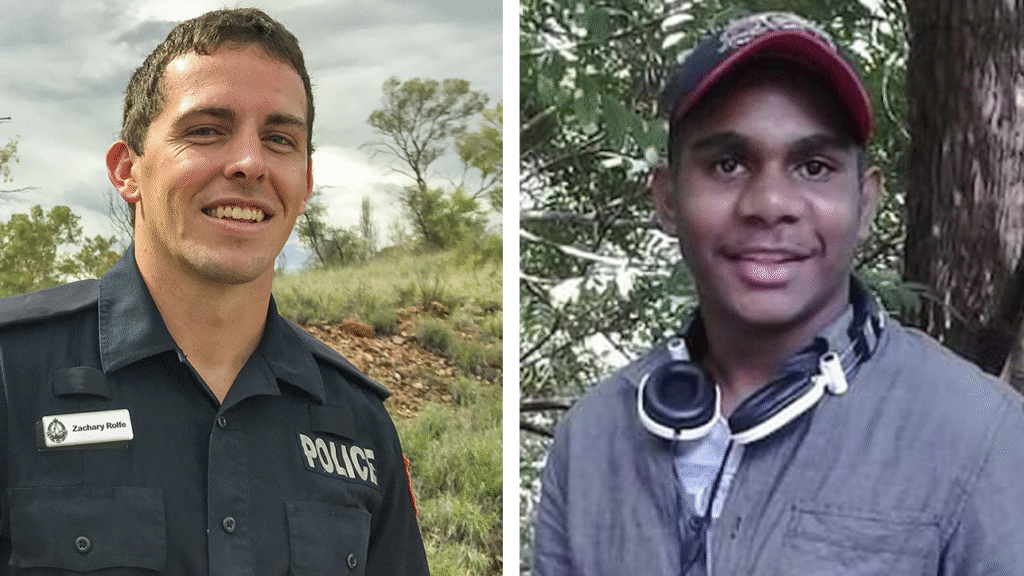
Zachary Rolfe had a prior record of using excessive force and had previously been involved in multiple incidents that raised red flags. Yet he remained on active duty and was sent on a mission that required nuanced understanding and cultural sensitivity. According to Armitage, these decisions were not only questionable but potentially deadly. They reflected a broader institutional failure that ultimately contributed to Walker’s death.
A Pattern of Deaths in Custody
Kumanjayi Walker’s death is one of more than 500 Indigenous deaths in custody that have occurred since the Royal Commission into Aboriginal Deaths in Custody was held in 1991. That commission made 339 recommendations to prevent such tragedies, yet the loss of Indigenous lives continues. Indigenous Australians represent one of the most incarcerated populations globally, and the justice system has routinely failed to address the root causes of over-policing and racial bias.
Each new death is a grim reminder that the promises of the past remain largely unfulfilled. Walker’s story has become yet another addition to this distressing pattern, highlighting how systemic issues — including institutional racism, excessive use of force, and inadequate community engagement — continue to plague law enforcement agencies.
The inquest’s revelations have also reopened old wounds for many Indigenous families who have similarly lost loved ones in custody without receiving justice or closure. Activists and community leaders have pointed out that until real structural reform is undertaken, these tragedies will persist.
Following the inquest, Zachary Rolfe was dismissed from the Northern Territory Police Force in 2023 after publicly criticizing the force and the coronial process. His dismissal, while welcomed by many, does not resolve the deeper institutional issues highlighted in the coroner’s findings.
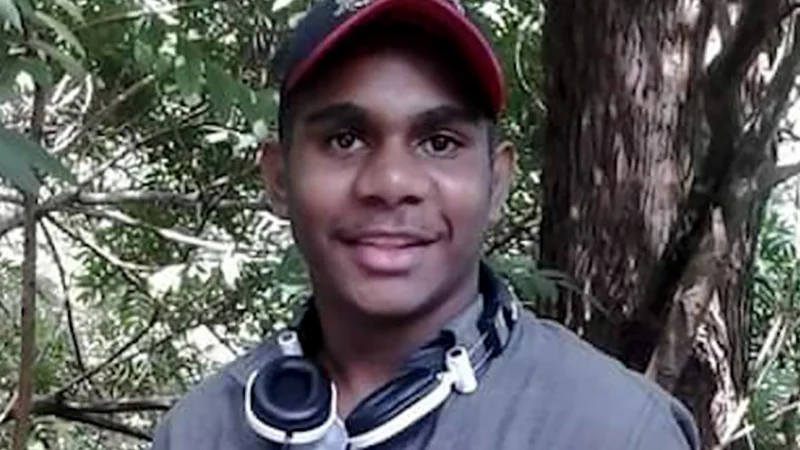
In response to the inquest, the Northern Territory Police Force has stated that it began implementing anti-racism strategies during the process and intends to review the coroner’s recommendations in consultation with Indigenous leaders. However, critics argue that such commitments must go beyond rhetoric and result in real, measurable change.
True reform would require reshaping recruitment and training processes, dismantling racist structures within the force, and creating systems that hold officers accountable for misconduct. It also means centering the voices of First Nations communities in shaping policy and fostering a culture of respect, empathy, and collaboration rather than domination and force.
The tragedy of Kumanjayi Walker’s death must serve as a catalyst for transformation. While no verdict or report can bring him back, acknowledging the truth about his death and addressing the broader systems that enabled it is the first step toward justice. His story should never be forgotten — and neither should the obligation to ensure it never happens again.
The coronial findings in Kumanjayi Walker’s death have laid bare the entrenched racism and systemic failures within the Northern Territory Police Force. While former Constable Zachary Rolfe pulled the trigger, the broader institution in which he operated — one shaped by racism, aggression, and a lack of accountability — must bear its share of the blame. Walker’s death was not an aberration; it was a predictable outcome of a broken system.
To honor his memory and the countless others who have died in similar circumstances, Australia must confront the uncomfortable truths of its history and make bold, lasting changes. The time for reports and inquiries has passed. The time for action is now.