
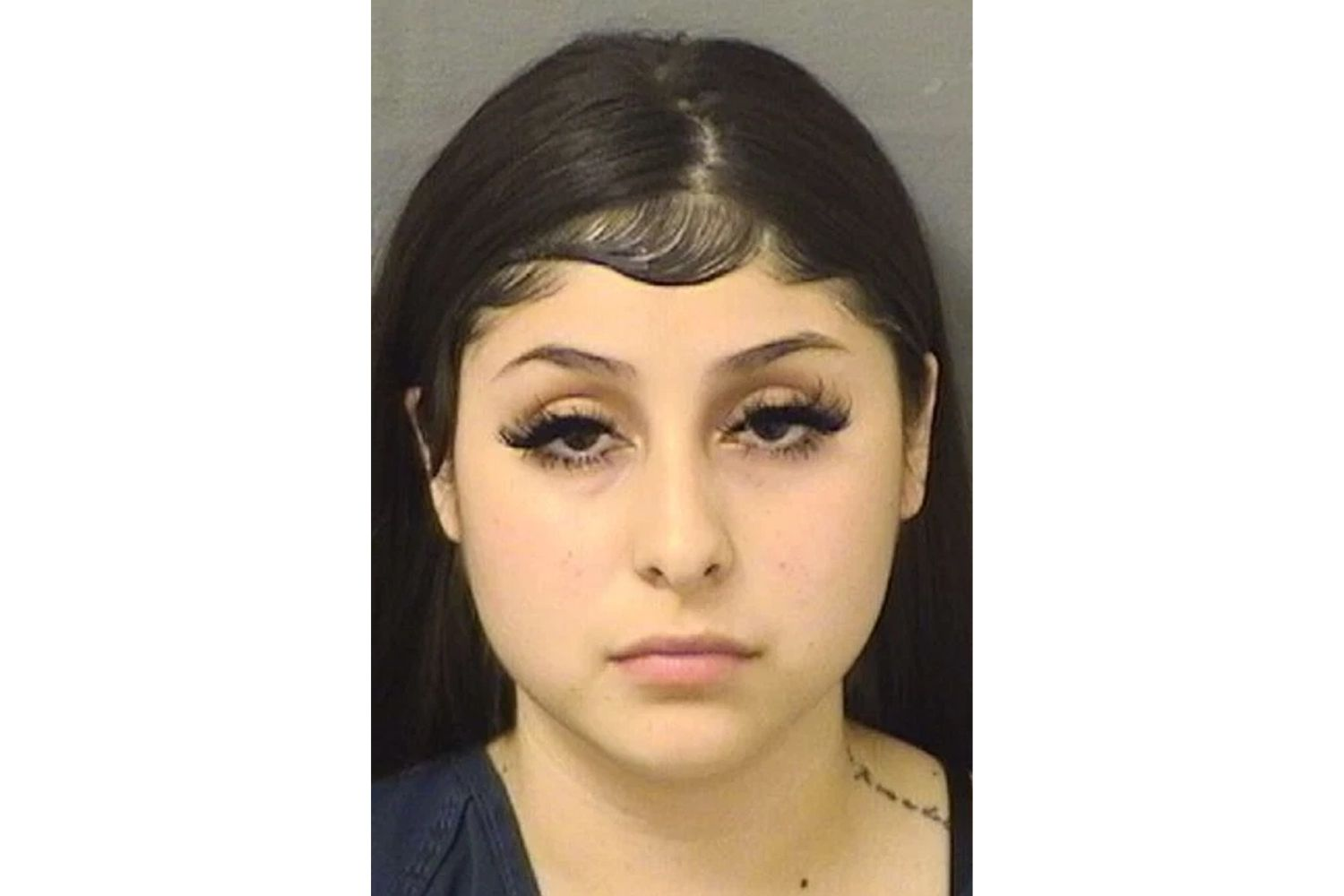
In a disturbing case that has captured public attention, 20-year-old Ayla Gonzalez Salinas from West Palm Beach, Florida, was arrested on April 28, 2025, for allegedly engaging in a sexual relationship with an underage boy she met at a funeral in November 2024.
The case, reported widely across news outlets, has raised concerns about predatory behavior, the vulnerability of minors, and the legal consequences of such actions.
According to the Palm Beach County Sheriff’s Office (PBSO), Ayla Gonzalez Salinas faces seven felony counts of lewd or lascivious battery of a victim aged between 12 and 16.
The Incident: A Relationship Born at a Funeral
The case began in November 2024, when Ayla Gonzalez Salinas attended a funeral where she met the underage boy, whose identity and exact age (between 12 and 16) have been withheld to protect his privacy.
According to an arrest affidavit obtained by WPEC, a local CBS affiliate, Salinas and the boy started communicating via social media shortly after the memorial service. What began as messaging quickly escalated into multiple in-person meetings throughout December 2024, during which the two allegedly engaged in sexual activities.
Authorities were alerted to the inappropriate relationship in January 2025, reportedly through an anonymous tip. Upon investigation, the Palm Beach County Sheriff’s Office uncovered a series of text messages between Salinas and the boy that revealed troubling details.
In these messages, the pair allegedly discussed the need to “get their story straight” to avoid legal repercussions. Part of their plan involved the boy claiming he initiated the sexual relationship, a tactic that investigators believe was an attempt to deflect blame from Ayla Gonzalez Salinas.
Read : Florida Nurse Caught Having Sex with Minor Stepson by Her Husband
The affidavit further notes that Salinas “trained” the boy to present a fabricated narrative about their encounters, including lying about the frequency of their meetings. This manipulation underscores the power imbalance in their relationship, given the age difference and the boy’s vulnerability as a minor. The discovery of these messages was pivotal in building the case against Ayla Gonzalez Salinas, leading to her arrest on seven counts of lewd or lascivious battery.

Salinas was taken into custody on Monday, April 28, 2025, and booked into the Palm Beach County Jail. She posted bond shortly after midnight on Wednesday, April 30, and was released pending further legal proceedings. The swift arrest and release have sparked discussions about the judicial process and the handling of cases involving sexual misconduct with minors.
Legal Implications: Severe Consequences Under Florida Law
Under Florida law, lewd or lascivious battery is classified as a second-degree felony, carrying significant penalties. Each count can result in up to 15 years in prison, meaning Ayla Gonzalez Salinas could face a maximum of 105 years if convicted on all seven charges.
The severity of the punishment reflects the state’s strict stance on crimes involving the sexual exploitation of minors. The age range of the victim, 12 to 16, places this case within a particularly sensitive legal category, as Florida law emphasizes protecting children from predatory behavior.
The charges stem from the multiple instances of alleged sexual activity, as documented in the affidavit. Prosecutors are likely to focus on the text messages as evidence of premeditation and manipulation, which could strengthen their case.
The fact that Salinas and the boy met at a funeral—a setting associated with grief and vulnerability—may also factor into the narrative presented in court, highlighting the predatory nature of the alleged actions.
Ayla Gonzalez Salinas’s release on bond has raised questions about the conditions of her pretrial release and whether she poses a continued risk to the community. While the specifics of her bond agreement have not been publicly disclosed, such cases often involve restrictions like no contact with the victim, limited internet access, or mandatory supervision.
The outcome of her trial will depend on the strength of the evidence, including the text messages, witness testimonies, and any statements from the victim. Beyond the immediate legal consequences, this case could have long-term implications for Salinas.

A felony conviction would result in a permanent criminal record, affecting her employment prospects, housing opportunities, and social standing. Additionally, if convicted, she may be required to register as a sex offender, further compounding the consequences of her actions. For the victim, the emotional and psychological toll of the experience may persist, necessitating support from family, counselors, or community resources.
Societal Impact: Addressing Predatory Behavior and Protecting Minors
The arrest of Ayla Gonzalez Salinas has sparked broader conversations about predatory behavior, the role of social media in facilitating inappropriate relationships, and the need to protect vulnerable minors.
Funerals, as places of mourning, are not typically associated with such misconduct, making this case particularly shocking. It serves as a reminder that predators can exploit any setting to target victims, especially when emotions are heightened, and oversight may be limited.
Social media played a critical role in this case, enabling Ayla Gonzalez Salinas and the boy to connect and communicate outside the initial meeting. Platforms like Instagram, Snapchat, or others (not specified in reports) can provide a false sense of privacy, allowing inappropriate relationships to develop unchecked.
This case highlights the importance of parental monitoring of minors’ online activity and the need for education about safe internet use. Law enforcement agencies have increasingly emphasized the risks of grooming through social media, where predators may use flattery, manipulation, or coercion to exploit young victims.
The manipulation tactics allegedly employed by Salinas—such as coaching the boy to lie about their relationship—point to a broader issue of grooming. Grooming involves building trust with a victim to lower their defenses, often under the guise of friendship or romance.
In this case, the boy’s age and inexperience likely made him susceptible to such tactics, underscoring the need for schools, families, and communities to educate children about recognizing and reporting inappropriate behavior.
Public reaction to the case, as seen in posts on X, reflects a mix of outrage and concern. One user described the incident as “disturbing,” emphasizing the age disparity and the inappropriate context of a funeral.
Another post highlighted the felony charges, noting the seriousness of the allegations. These sentiments underscore the public’s demand for justice and accountability in cases involving the exploitation of minors.

This case also prompts reflection on societal attitudes toward female perpetrators of sexual abuse. While much of the discourse around sexual misconduct focuses on male offenders, cases like this demonstrate that women can also engage in predatory behavior.
Addressing this issue requires overcoming stereotypes and ensuring that all perpetrators, regardless of gender, face appropriate consequences. The legal system’s response to Salinas’s case will be closely watched as a measure of its commitment to protecting minors from all forms of abuse.
Moving forward, communities can take proactive steps to prevent similar incidents. Schools can implement programs to teach students about healthy boundaries and the dangers of grooming. Parents can foster open communication with their children, encouraging them to report uncomfortable situations.
Law enforcement can continue to prioritize investigations into allegations of sexual misconduct, ensuring that victims receive justice and support. By addressing the root causes of such behavior—such as lack of oversight, unchecked social media use, and societal blind spots—society can better protect its most vulnerable members.
The arrest of Ayla Gonzalez Salinas for allegedly engaging in a sexual relationship with an underage boy she met at a funeral is a sobering reminder of the need for vigilance in protecting minors. The case, rooted in manipulation and facilitated by social media, highlights the complexities of addressing sexual misconduct in the digital age.
As the legal process unfolds, it will serve as a test of Florida’s commitment to holding perpetrators accountable and supporting victims. Beyond the courtroom, this incident calls for broader societal efforts to educate, prevent, and respond to predatory behavior, ensuring that children are safe in all settings—whether at a funeral, online, or in their daily lives.