
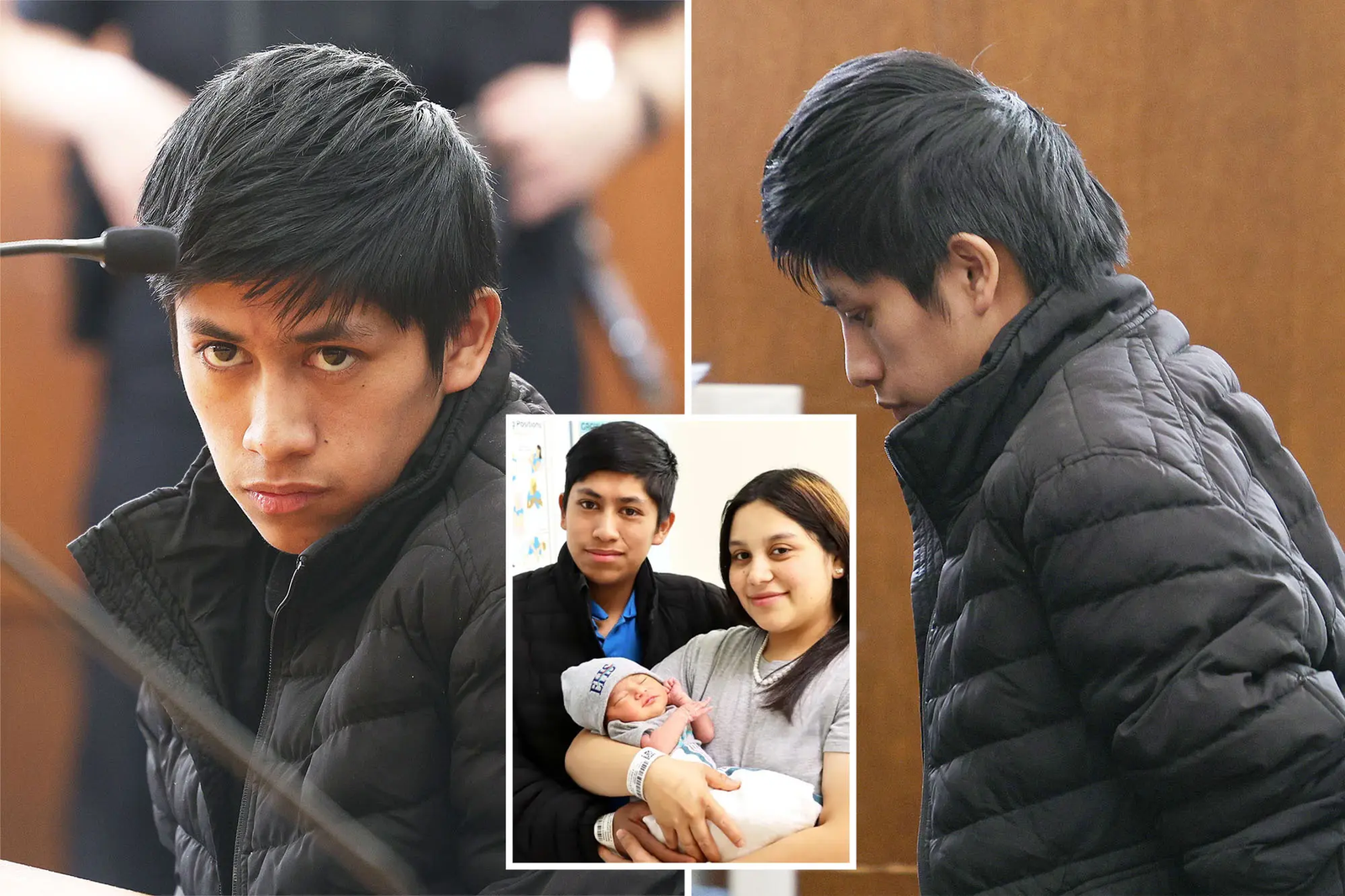
A horrifying case of child abuse and murder has shaken the community of Inwood, Long Island, and stirred widespread outrage across the country. Marlon Rabanales-Pretzantzin, a 20-year-old illegal immigrant from Guatemala, is accused of violently killing his infant daughter, Liseyda, because he could not get her to stop crying.
The tragic event took place on March 7 while he was home alone with his two young children. Prosecutors allege that the father, overwhelmed and frustrated, snapped and unleashed a vicious assault on his helpless baby.
The court heard that Rabanales-Pretzantzin began by slapping Liseyda in the face, then punched her multiple times in the stomach. He allegedly escalated the attack by shaking her violently and finally throwing her onto the bed. In the most horrifying detail, he is said to have pressed his fists into her tiny body using the full weight of his own, causing fatal injuries.
These included several broken ribs, head trauma, spinal dislocation, and severe hemorrhaging in her neck. The level of violence stunned both prosecutors and the public, with one court official describing the scene as devastating and incomprehensible.
The Investigation and Confession
Emergency responders were initially misled when they were told the baby had choked on her formula. However, inconsistencies in Rabanales-Pretzantzin’s story quickly raised suspicions. First, he claimed he had fallen asleep while holding the child and she fell off the bed.
But as police questioned him further and forensic evidence was reviewed, the narrative began to unravel. Eventually, under mounting pressure and overwhelming evidence, he confessed to the sequence of violent actions that led to his daughter’s death.
The Nassau County District Attorney’s Office revealed shocking details during the indictment hearing. Chief ADA Monica Hickey-Martin, along with DA Anne Donnelly, described the incident in court, explaining that Rabanales-Pretzantzin admitted to the crime and acknowledged that he “couldn’t take it anymore” when the baby wouldn’t stop crying.
Read : Two Teenagers Killed 80-Year-Old Man Walking Dog in Franklin Park
The autopsy also revealed that Liseyda had older rib fractures in the process of healing, which suggests previous instances of abuse that had gone unnoticed.
Read : Zambian Elephant Kills American Tourist During Safari Drive : Watch Video
While Liseyda’s life was tragically cut short, her 14-month-old sibling, who was present in the house at the time, showed no signs of abuse and has since been placed under the care of the mother, Olibia Barrios Cifuentes. The family lived in modest circumstances, and neighbors said they had never suspected any signs of trouble within the household.
Legal Proceedings and Public Reaction
Marlon Rabanales-Pretzantzin pleaded not guilty during his arraignment in Nassau County Court. The judge overseeing the case, Robert Schwartz, did not hide his disgust during the proceedings, questioning the accused harshly.
Prosecutors pushed for the highest possible charges and confirmed that the accused is being held without bail. He is scheduled to appear in court again on May 6.
The fact that Rabanales-Pretzantzin is an undocumented immigrant has drawn further attention to the case. However, DA Anne Donnelly emphasized that regardless of immigration status, he will be prosecuted in Nassau County to the fullest extent of the law.
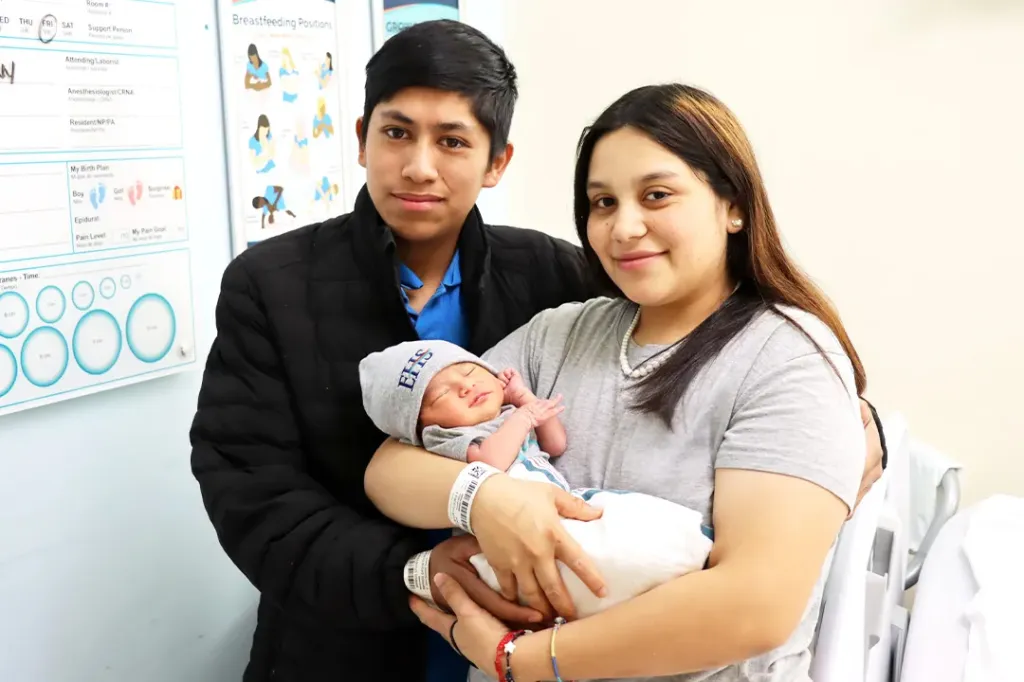
She stated that while deportation is a federal matter, her office is working closely with federal authorities to ensure he faces justice within the United States. “He was given the gift of a beautiful little girl, and on March 7, he returned that gift bloodied, beaten, and dead,” Donnelly remarked in a somber press conference.
Public reaction has been swift and emotional. Community members expressed heartbreak and disbelief over the case. Many gathered outside the courtroom during the arraignment, holding photos of baby Liseyda and calling for justice.
Child advocacy groups have also spoken out, urging better mental health resources for young and vulnerable parents and more proactive monitoring in communities where abuse may go undetected.
The Broader Implications of the Tragedy
This tragic case has opened a broader dialogue about the pressures facing young parents, especially those living in poverty or under unstable conditions. Rabanales-Pretzantzin was only 20 years old and reportedly under significant stress, caring for two small children while lacking support.
While this does not excuse the monstrous actions he took, experts say it highlights the urgent need for early intervention, education on parenting, and accessible support systems for struggling families.
It also raises difficult questions about the challenges faced by undocumented immigrants, many of whom live in the shadows and may avoid seeking help out of fear of deportation. In such conditions, domestic problems and signs of abuse can remain hidden, as families isolate themselves from community services and legal institutions.
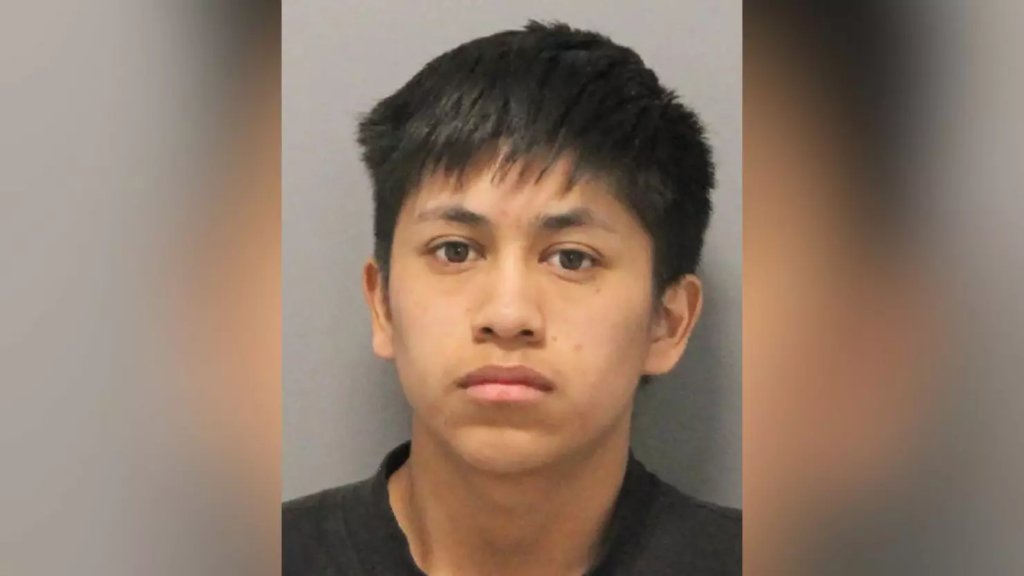
Advocates are now calling for legislation that would allow for improved outreach to vulnerable immigrant communities, particularly when young children are involved. The tragic death of Liseyda, they argue, should serve as a painful reminder that child protection must extend across all boundaries, regardless of immigration status or socioeconomic background.
The story of baby Liseyda’s short life and violent death will haunt the community for years to come. As prosecutors build their case and the legal process unfolds, many are asking how such a tragedy could happen in plain sight.
Were there warning signs that were missed? Could more oversight or community support have prevented this act? These questions linger, unresolved, as a family and a neighborhood mourn a life that ended before it even had a chance to begin.
A Cry for Awareness and Prevention
At the heart of this heartbreaking story is a crying infant, a symbol of countless other children who suffer in silence. Liseyda’s cries were the final sound that led to her tragic end.
But they must also become a call to action — to build a system that listens, responds, and protects the most vulnerable among us. It is a reminder that children’s lives can depend on how society treats its young parents, supports its communities, and enforces its laws.
Rabanales-Pretzantzin now faces the consequences of his actions, but no legal punishment can undo the trauma or bring back the life that was lost. The old saying that it takes a village to raise a child rings painfully true in this case. And in Liseyda’s memory, that village must wake up, step forward, and ensure that no other baby suffers such a fate again.