
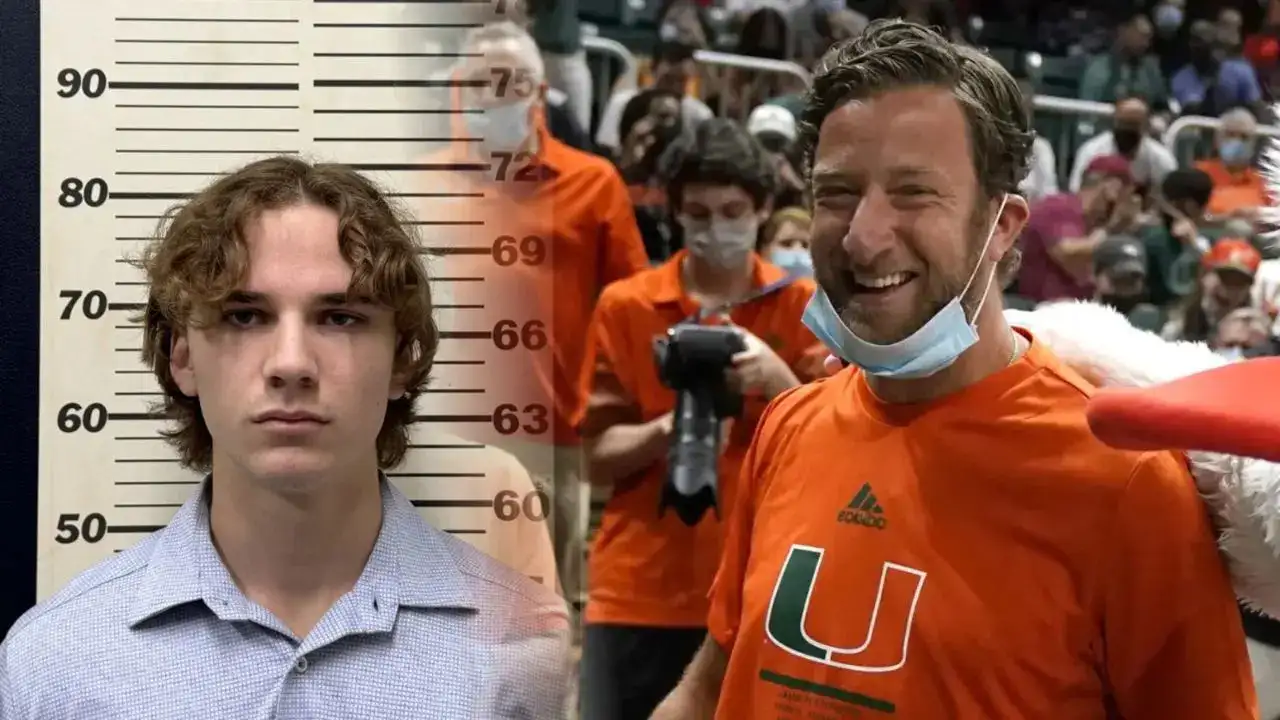
The arrest of 20-year-old Mississippi State University student Patrick McClintock has drawn national attention not only for its viral visual impact but also for the broader cultural and legal context in which it occurred. The incident took place on November 8, 2025, outside Boardtown Pizza & Pints in Starkville, Mississippi, where Barstool Sports founder Dave Portnoy was filming one of his widely known “One Bite” pizza review videos.
In a video that quickly circulated across social media platforms, McClintock can be seen directing antisemitic slurs toward Portnoy and throwing coins at him—imagery historically associated with antisemitic stereotyping. The confrontation, though relatively brief, ignited rapid backlash and spurred police action, culminating in McClintock’s arrest on a disturbing the peace charge two days later.
While initial charges remain misdemeanor-level, investigators have stated that the possibility of applying Mississippi’s hate crime statute is actively under consideration. If pursued, this could elevate the case from a disorderly behavior offense to one with significantly more serious consequences.
University officials, community leaders, public safety representatives, legal analysts, and national advocacy organizations have since weighed in, framing the matter as part of a broader national pattern involving rising public expressions of antisemitism. Against this backdrop, the McClintock case stands as emblematic of both shifting social climates and evolving public expectations regarding acceptable conduct in shared spaces.
Incident Details and Immediate Consequences
Witnesses reported that the confrontation began when McClintock approached Portnoy and his production team while they were preparing to film the review outside the pizzeria, ahead of a Mississippi State vs. Georgia football game scheduled for the same weekend. The videos posted online show McClintock shouting slurs referencing Portnoy’s Jewish identity and repeatedly throwing coins toward him in a manner interpreted by many viewers as intentionally inflammatory.
Portnoy, who did not physically retaliate or escalate the situation, maintained a calm demeanor throughout the interaction. The recording was shared by Barstool commentator @KirkMinihane on the platform X, receiving more than two million views in the first forty-eight hours. The Starkville Police Department issued a statement confirming McClintock’s arrest on November 10 on the charge of disturbing the peace.
Read : Microsoft Manager Joe Friend, 62, Laid Off After 20 Years Amid Company Restructuring
According to Sgt. G. Brandon Lovelady, Starkville’s public information officer, the department initiated the arrest based on evidence showing that the conduct had created a public disturbance and had the potential to incite further disorder or violence. Officers reaffirmed in public messaging that while speech alone—even if offensive or derogatory—is generally protected under the U.S. Constitution, behavior crossing into threats or actions that risk public safety falls within the scope of law enforcement authority.
Free speech is sacrosanct, but millionaire Dave Portnoy, once again, cries #antisemitism + guts #freeSpeech & gets 20yo Patrick McClintock arrested for using words, "disturbing the peace."
— American Screed (@american_screed) November 10, 2025
Why is @stoolpresidente above taunt + criticism? He can heckle but can't be heckled back? pic.twitter.com/6eNa2YiXzA
McClintock was detained and later released on a $2,500 bond. He is currently scheduled to appear in Oktibbeha County Justice Court in December. Meanwhile, his university enrollment has been confirmed by Mississippi State administrators, although the institution indicated that any student conduct proceedings would follow after law enforcement concludes its investigative process.
At the campus level, the incident has become the subject of open debate and discussion in student forums and in editorial commentary within The Reflector, the university’s student-run newspaper. Many students publicly described the event as damaging to the reputation of both the campus and the broader community, emphasizing that such behavior does not reflect the views of the general student population. Others engaged in broader conversations regarding accountability and restorative responses, reflecting the complexities of balancing expression rights, safety concerns, and institutional responsibility.
Legal Considerations and Possible Hate Crime Implications
The legal trajectory of the case remains under active evaluation. McClintock currently faces a disturbing the peace misdemeanor charge, which typically carries penalties ranging from fines to short-term county-level incarceration in Mississippi. However, the ongoing police review involves determining whether the conduct meets the threshold for classification as a hate crime under state law.
Mississippi’s hate crime statute allows sentence enhancements when a criminal act is motivated by bias against a protected class, including race and religion. If applied, such a designation could considerably increase penalties and signal heightened seriousness attributed to the offense. Legal analysts, including University of Mississippi law professor William McGinley, have commented on the specific gesture of throwing coins during the altercation.
This particular act has been recognized historically as a means of mocking Jewish caricatures, linking the incident to documented antisemitic stereotypes. McGinley noted that the projection of coins, especially when directed forcefully or repeatedly at a person, could be legally interpreted as a form of assault with a thrown object. Under Mississippi law, assault does not require physical contact; an attempt or act that reasonably places another person in fear of immediate harm can qualify.
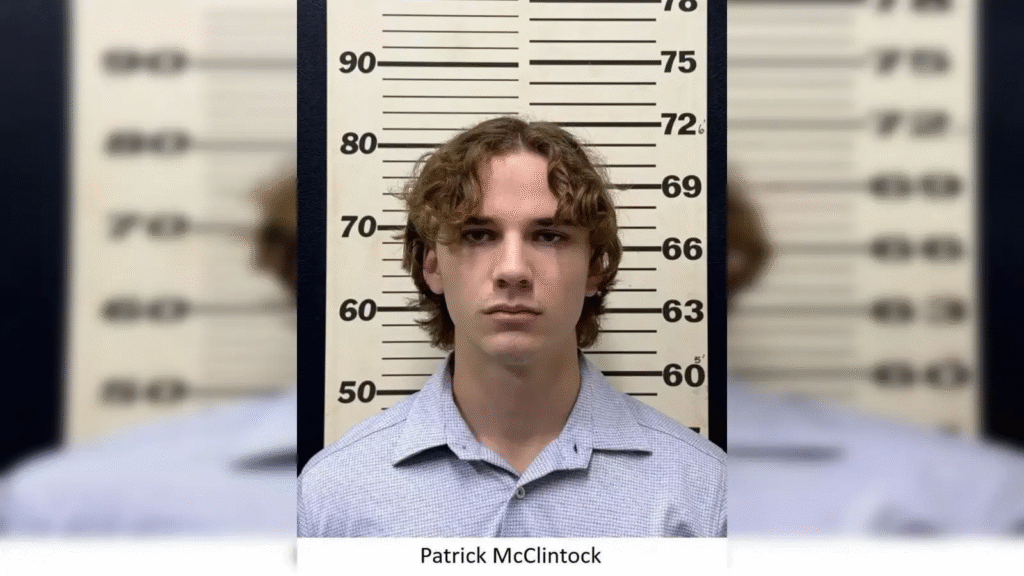
If prosecutors determine that the physical action of throwing coins combined with targeted slurs demonstrates intent and bias, the case could shift from simple disorderly disruption to an assault charge with hate-related enhancements. However, such determinations often rely on precise evidentiary standards and require distinguishing protected speech from unlawfully threatening or dangerous conduct. Investigators must also evaluate witness accounts, video footage, and the potential presence of prior statements or behaviors that could support claims of discriminatory motivation.
Meanwhile, university policies concerning student conduct may also influence McClintock’s standing as a member of the campus community. Many universities maintain separate disciplinary systems that address behavior deemed contrary to institutional values or that negatively affects campus climate. These proceedings typically consider both law enforcement outcomes and independent code-of-conduct reviews, meaning the university could pursue action regardless of whether the criminal case escalates.
Public Reaction and the Broader Rise in Antisemitic Incidents
The rapid viral spread of the recording has placed the McClintock case in a broader national conversation concerning a documented rise in publicly visible antisemitism. Data from the Anti-Defamation League indicated a year-on-year increase of 140 percent in reported antisemitic incidents across the United States, including harassment, vandalism, and threats. Public figures and advocacy organizations have increasingly pointed to online amplification, political rhetoric, and the diffusion of extremist subcultures as factors contributing to the normalization of such conduct.
Dave Portnoy, now 48, has spoken publicly in recent months regarding his experiences with antisemitic harassment, stating in an interview with CBS Sunday Morning that such incidents have become “every day now.” On the day following the confrontation, Portnoy attended an NFL game alongside New England Patriots owner Robert Kraft, who founded the Foundation to Combat Antisemitism. The appearance was seen by some commentators as an implicit statement of solidarity and rejection of hate-directed provocation.
Read : Quadriplegic Woman Writes Name for First Time in 20 Years Using Neuralink Brain Chip
Social media reactions to the McClintock incident varied by political alignment and cultural perspective. Some conservative and right-leaning commentators framed the arrest as an example of necessary enforcement against antisemitic behavior, while others blamed what they described as an increasingly permissive environment for extremist messaging.
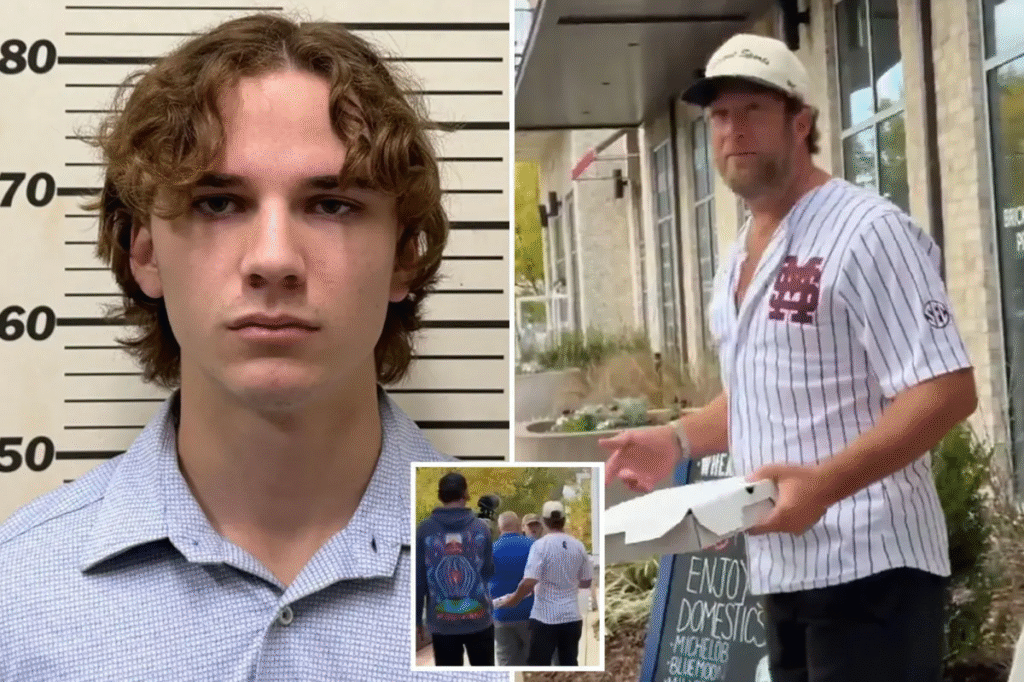
Commentator @CollinRugg posted footage of McClintock’s arrest, and attorney and activist @MarinaMedvin referred to him as “a groyper in the wild,” referencing an online subculture associated with far-right nationalist discourse. These reactions reflect the degree to which individual public incidents can rapidly become symbolic touchpoints in larger ideological discussions.
At Mississippi State University and within the Starkville community, local leaders emphasized the importance of maintaining standards of mutual respect in shared civic spaces. Sgt. Lovelady reiterated in his statement to TMZ that the objective of law enforcement in situations like this is to ensure personal safety and prevent disorder, not to regulate speech. He added that the department is committed to fostering a community where individuals are free to assemble and express themselves without fear of targeted harassment.
McClintock has no prior criminal record, and no attorney representing him has yet issued public statements regarding his conduct or the charges. His upcoming court appearance will provide a procedural starting point for determining how the case will proceed. If the hate crime enhancement is pursued, the court process may become significantly more complex, potentially involving expert testimony on intent, behavior patterns, and the contextual meaning of symbolic gestures like throwing coins.
As the case continues to develop, stakeholders ranging from university officials to civil rights advocates will likely monitor the situation closely. The incident has become not only a local matter but a nationally visible example of how digital virality can draw immediate public attention to acts of targeted harassment, forcing institutions and authorities to respond quickly. The outcome will help shape conversations about accountability, the boundaries of protected expression, and the role of law enforcement and educational institutions in addressing discriminatory conduct when it enters the public sphere.