
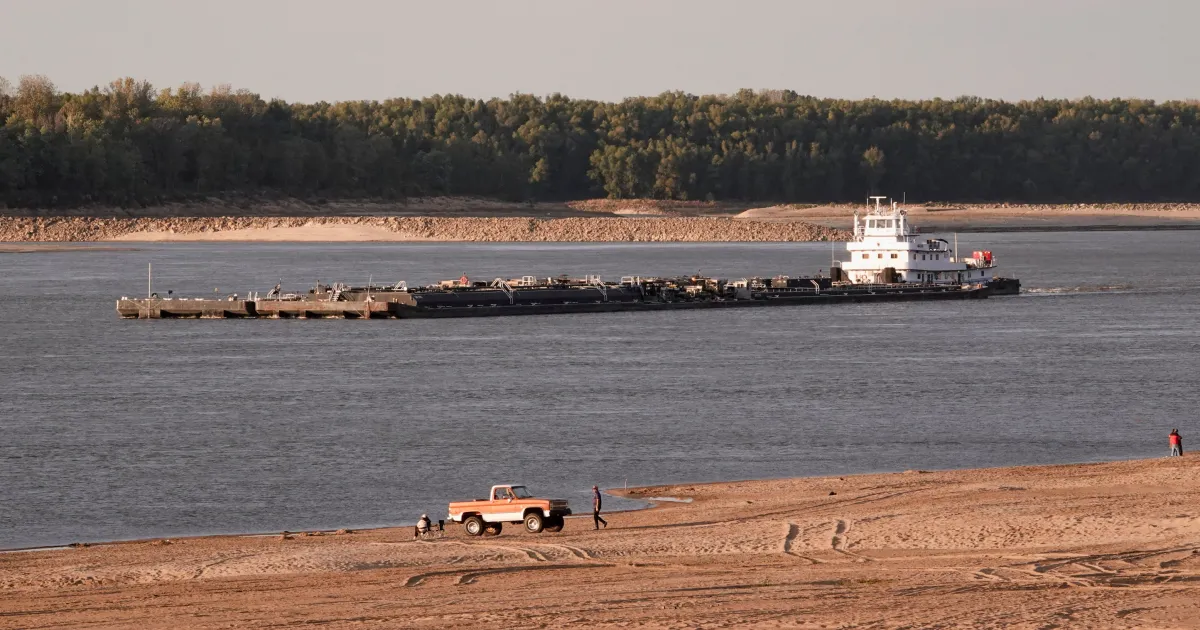
The year 2023 has gone down in history as the driest year for global rivers in more than three decades, according to a report released by the World Meteorological Organization (WMO).
This extreme condition comes at a time when the planet is grappling with record-high temperatures and an increasingly erratic hydrological cycle, which has manifested in prolonged droughts, reduced water flows, and low river levels worldwide.
WMO’s “State of Global Water Resources 2023” report sheds light on the far-reaching impacts of these trends, particularly how they threaten ecosystems, economies, and water security for millions of people around the globe.
The report highlights the need for urgent action to mitigate the effects of climate change on water resources, calling for improved data collection, water management policies, and global cooperation. With 70% of the world’s water being used for agriculture and billions of people already facing water shortages, the future of freshwater resources is increasingly precarious.
The Alarming Decline in Global River Flows
One of the most significant findings in the WMO report is the widespread decline in river flows across the world. This trend was particularly severe in regions like the southern United States, Central America, and South America, where record-low water levels were observed in major water bodies like the Amazon River and Lake Titicaca, a vital resource on the border between Peru and Bolivia.
Read : Rivers of Endless Majesty: Exploring Earth’s Top 10 Longest Waterways
The Mississippi River basin in the United States also experienced unprecedented low water levels, signaling the growing vulnerability of rivers to the escalating impacts of climate change.
Globally, around half of the world’s rivers experienced dry flow conditions in 2023, a year marked by rising temperatures and shifting weather patterns. This reduction in river water flows has far-reaching consequences, especially for regions heavily dependent on these water sources for agriculture, drinking water, and transportation.
The decline of river flows can exacerbate food shortages, disrupt economies, and threaten biodiversity, as rivers are vital ecosystems that support a wide range of life forms.
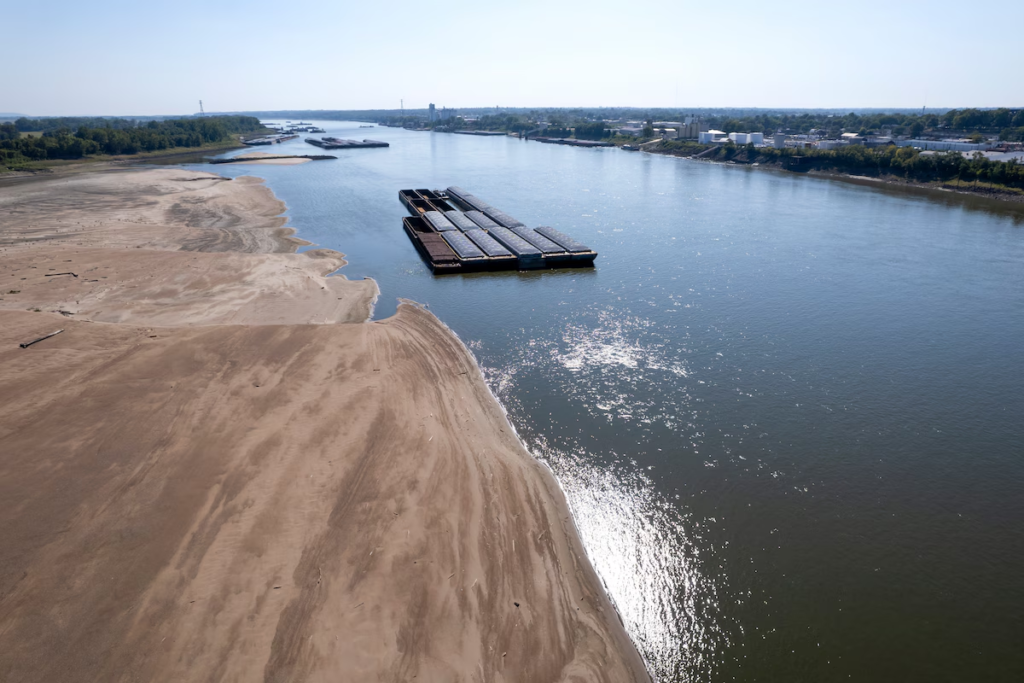
According to Stefan Uhlenbrook, the WMO’s director of hydrology, water, and cryosphere, the extent of dry conditions in 2023 was unprecedented. “In the last 33 years of data, we had never such a large area around the world which was under such dry conditions,” Uhlenbrook remarked, emphasizing the scale of the challenge.
With 2024 already seeing extreme temperatures, experts warn that this trend is likely to continue, exacerbating water scarcity and affecting millions more in the years to come.
Glacial Melt: A Looming Water Crisis
In addition to the alarming decline in river water flows, the WMO report draws attention to the significant loss of glacial mass in 2023, which is contributing to a potential water crisis for millions of people.
Glaciers serve as natural water reservoirs, gradually releasing water into rivers that supply drinking water, agricultural irrigation, and hydropower in many countries. However, due to rising global temperatures, glaciers are melting at an accelerated rate, and the mass loss recorded in 2023 was the largest in five decades.
The melting of glaciers has both immediate and long-term implications for water security. In the short term, the increased water flow from melting ice may lead to temporary flooding or swelling of rivers, but over time, as glaciers shrink, the amount of water they can provide diminishes.
This poses a significant threat to regions that rely heavily on glacial meltwater during dry seasons, such as parts of Asia, South America, and Europe.
In some areas, like the Andes and the Himalayas, where glaciers feed into major rivers, the loss of glacial mass could lead to a water crisis for millions of people. As these natural ice reservoirs continue to diminish, the risk of water shortages becomes more pronounced, further exacerbating the existing water challenges faced by vulnerable communities.
The WMO warns that this trend is a stark reminder of the broader impacts of climate change on the planet’s delicate hydrological balance.
WMO Secretary-General Celeste Saulo underscored the urgency of addressing this issue, stating, “Water is the canary in the coalmine of climate change. We receive distress signals in the form of increasingly extreme rainfall, floods, and droughts which wreak a heavy toll on lives, ecosystems, and economies.”
Saulo’s metaphor highlights how changes in water availability serve as an early warning for the broader impacts of climate change, and the need for immediate action to mitigate its effects.
The Global Water Crisis: What Lies Ahead
The WMO’s report not only paints a dire picture of the state of the world’s rivers in 2023 but also serves as a wake-up call about the broader global water crisis that looms on the horizon. Currently, about 3.6 billion people around the world face inadequate access to water for at least one month per year.
This figure is expected to rise to 5 billion by 2050, as the impacts of climate change continue to intensify. This water insecurity will disproportionately affect communities in vulnerable regions, particularly those in Africa, South America, and Asia.
Agriculture is a major contributor to global water usage, accounting for 70% of the water drawn from the planet’s hydrological systems. As water resources become increasingly scarce, the ability to grow food and support large populations will be further strained, potentially leading to widespread food shortages and socio-economic instability.
In regions like southern Africa, where droughts have already led to food crises, the situation is expected to worsen unless significant action is taken to address water management issues.
The WMO has called for improvements in data collection, sharing, and international cooperation to help build a more accurate picture of global water resources. By enhancing data on river flows, groundwater, soil moisture, and glacial melt, countries and regions can better prepare for and respond to water shortages.
This also includes investing in infrastructure for water storage and conservation, as well as implementing sustainable agricultural practices that reduce water consumption.
Furthermore, climate change mitigation efforts, such as reducing greenhouse gas emissions and promoting renewable energy, will be critical in preventing further temperature increases that drive the planet’s hydrological cycle to extremes.
Addressing the water crisis will require a coordinated global effort involving governments, private industries, and local communities to ensure a more sustainable and resilient future for water resources.
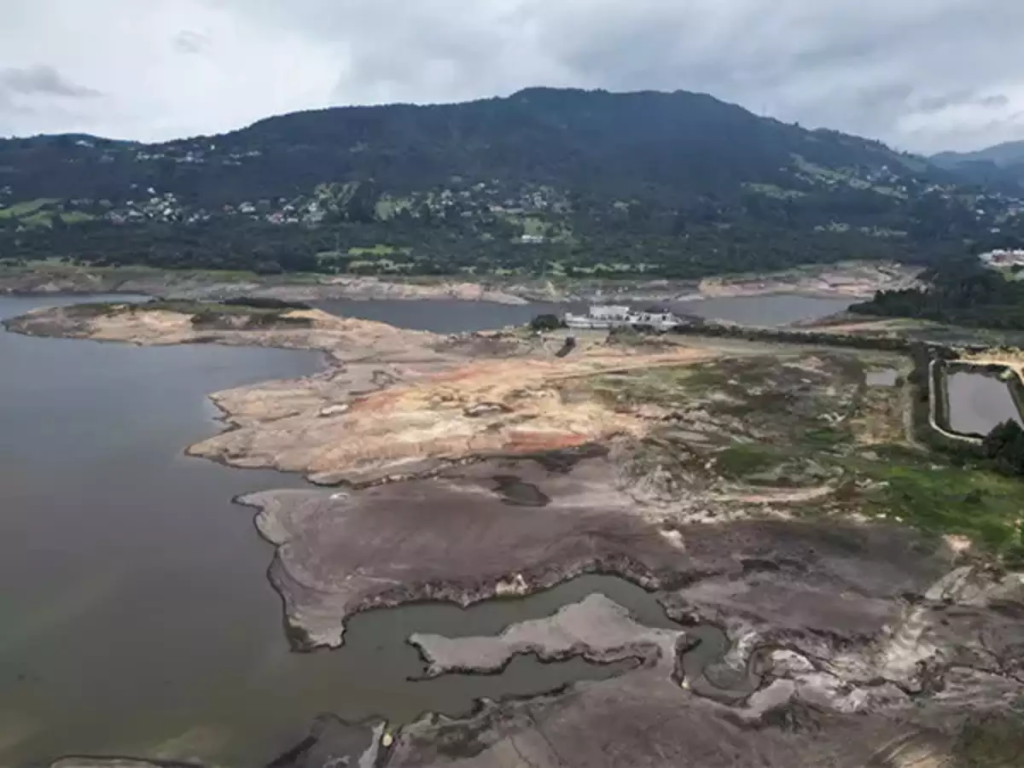
The year 2023 has starkly illustrated the fragility of the world’s freshwater resources, as rivers, lakes, glaciers, and groundwater supplies have been significantly affected by record-high temperatures and shifting climate patterns.
The WMO’s “State of Global Water Resources 2023” report serves as a critical reminder of the need for immediate and sustained action to address the challenges posed by climate change and water scarcity.
As rivers dry up, glaciers melt, and millions of people face increasing water shortages, the world must prioritize better water management practices, international cooperation, and climate change mitigation efforts to safeguard the future of the planet’s freshwater supplies.
The impacts of the 2023 droughts on rivers, agriculture, and communities highlight the urgent need for global action to preserve water resources and mitigate the worst effects of climate change.