
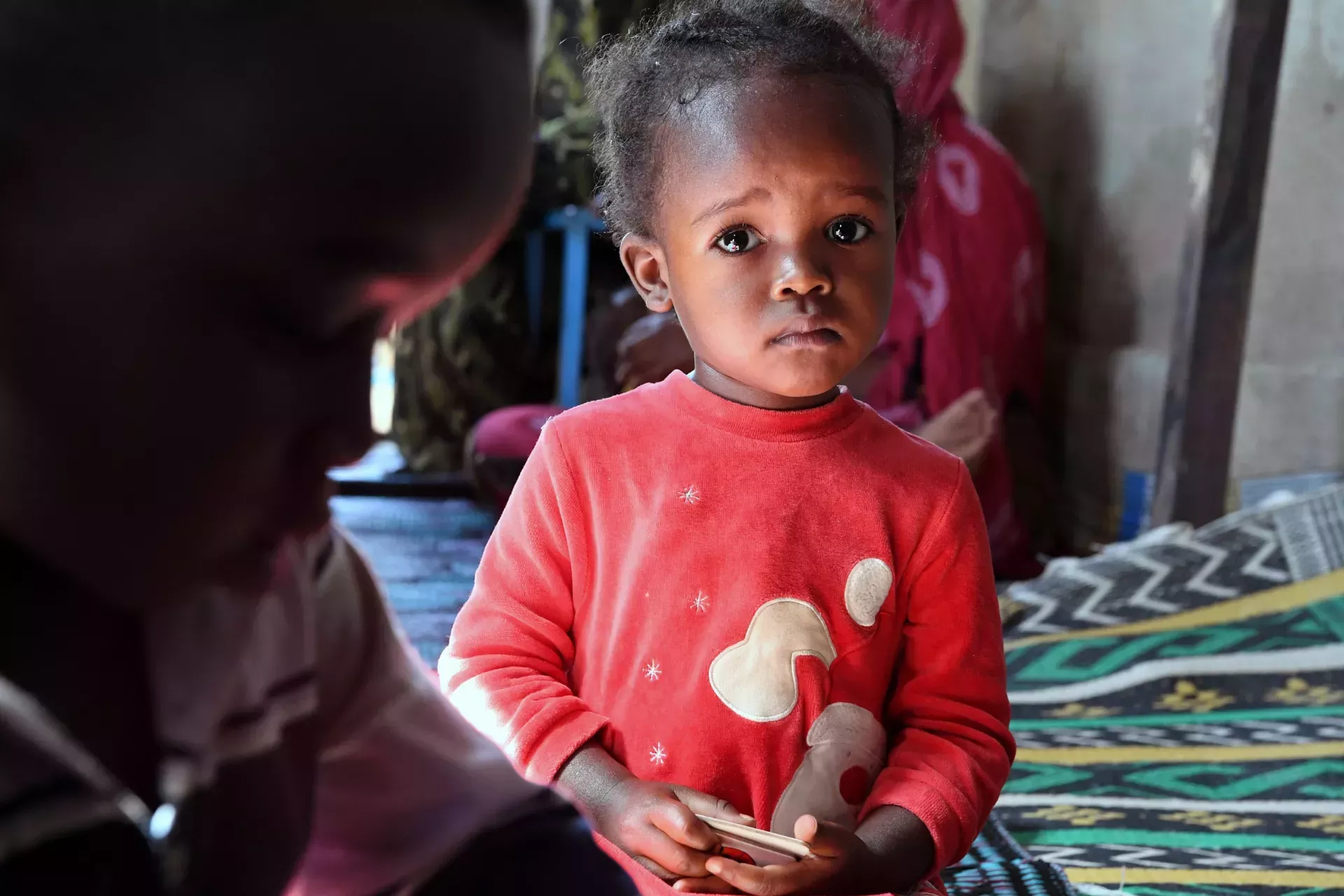
The year 2024 will be remembered as Worst Year for Children, a period of global turmoil and profound suffering, particularly for children caught in the crossfire of conflicts worldwide.
According to UNICEF, over 473 million children were affected by violent disputes, marking 2024 as the worst year on record for children in conflict zones.
This crisis was compounded by the devastating impacts of climate change, displacement, and a breakdown in essential services, leaving a generation of children deprived of their basic rights, security, and childhood.
Children on the Frontlines of Conflict
In 2024, the world witnessed an alarming escalation in violence and instability, displacing millions of children. The territories most severely affected included Haiti, Lebanon, Myanmar, Palestine, and Sudan, where ongoing conflicts created dire conditions for the youngest and most vulnerable populations.
Many children were killed, sustained life-altering injuries, or were subjected to egregious violations of their rights, including forced recruitment, exploitation, and abuse.
The ripple effects of these conflicts were catastrophic. Countless children missed out on education, with schools destroyed or rendered inaccessible due to fighting.
Read : Everyone in Northern Gaza at Imminent Risk of Death: UNICEF Chief Catherine Russell
Healthcare systems in war-torn regions collapsed, leaving children malnourished and without access to life-saving medical care. The lack of clean water and proper sanitation exacerbated the situation, leading to outbreaks of preventable diseases that claimed even more young lives.
A record number of children impacted by conflict are having their rights brutally violated.
— UNICEF (@UNICEF) December 28, 2024
UNICEF is calling for all parties to conflict, and for those with influence over them, to take decisive action to end the suffering of children. pic.twitter.com/7NsDhqHanl
In some of the hardest-hit areas, such as Gaza, rebuilding efforts seemed almost impossible. A report estimated that it would take at least $16 billion to restore the infrastructure of this small, densely populated territory, where over 2 million people once resided. Such staggering figures underscore the immense challenges in addressing the immediate and long-term needs of affected children.
Deadliest Year for Aid Workers
2024 was not only a disastrous year for children but also for those trying to provide relief. Humanitarian aid workers faced unprecedented risks, with 281 fatalities recorded globally, the highest number in history. These frontline workers, tasked with delivering essential services such as food, water, and medical aid, often became targets themselves in conflict zones.
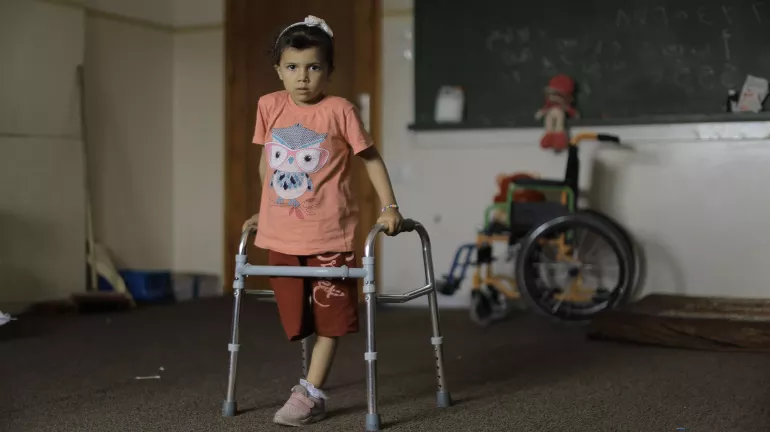
This tragic toll highlights the increasing dangers of operating in hostile environments, where aid convoys are attacked, and relief efforts are obstructed. For children, the loss of humanitarian support often means the difference between life and death. The inability to access essential supplies and services exacerbates the suffering, trapping millions in a cycle of poverty and despair.
The situation was particularly grim in regions like Sudan and Myanmar, where ongoing conflicts rendered large swaths of territory inaccessible to aid organizations. In Haiti, political instability and gang violence further complicated relief efforts, leaving countless children stranded without support.
A Bleak Outlook for the Future
The impacts of 2024’s crises are expected to reverberate for years to come. As UNICEF reported, one in six children globally now lives in conflict-ridden areas, a stark reminder of the scale and persistence of this humanitarian catastrophe.
Climate change has added another layer of complexity to the crisis. With 2024 also being one of the hottest years on record, extreme weather events such as floods, droughts, and storms displaced millions more, particularly in vulnerable regions.
These climate-induced displacements often intersect with existing conflicts, creating compound crises that are increasingly difficult to manage.
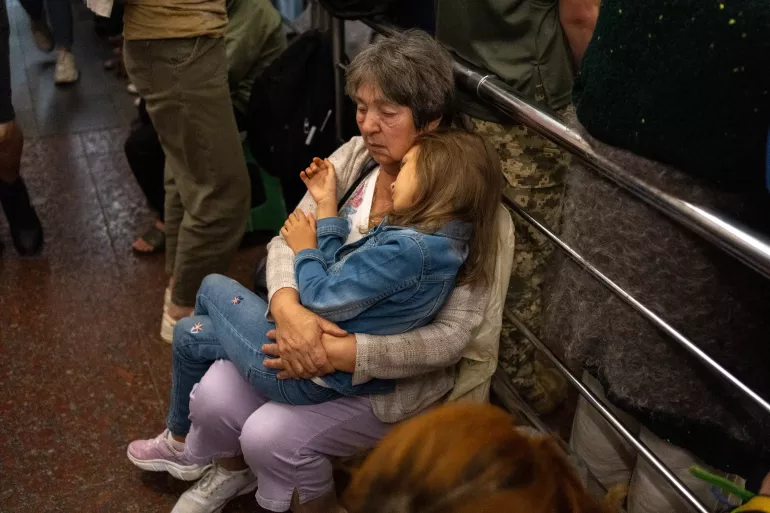
Despite the grim statistics, the global response to these crises has been woefully inadequate. While the world’s GDP is projected to reach $104 trillion by the end of 2024, the resources allocated to humanitarian efforts remain insufficient.
The rebuilding of Gaza, for instance, requires billions in funding, but international aid commitments have fallen far short of what is needed.
As conflicts and climate challenges continue to escalate, the burden on children grows heavier. Without immediate and coordinated global action, the prospects for these young lives remain bleak. Addressing this crisis requires not only increased funding but also a renewed commitment to peacebuilding, conflict resolution, and sustainable development.
SEO Description: UNICEF reports 2024 as the worst year for children in conflict zones, with over 473 million affected globally by violence, displacement, and climate-induced crises.