
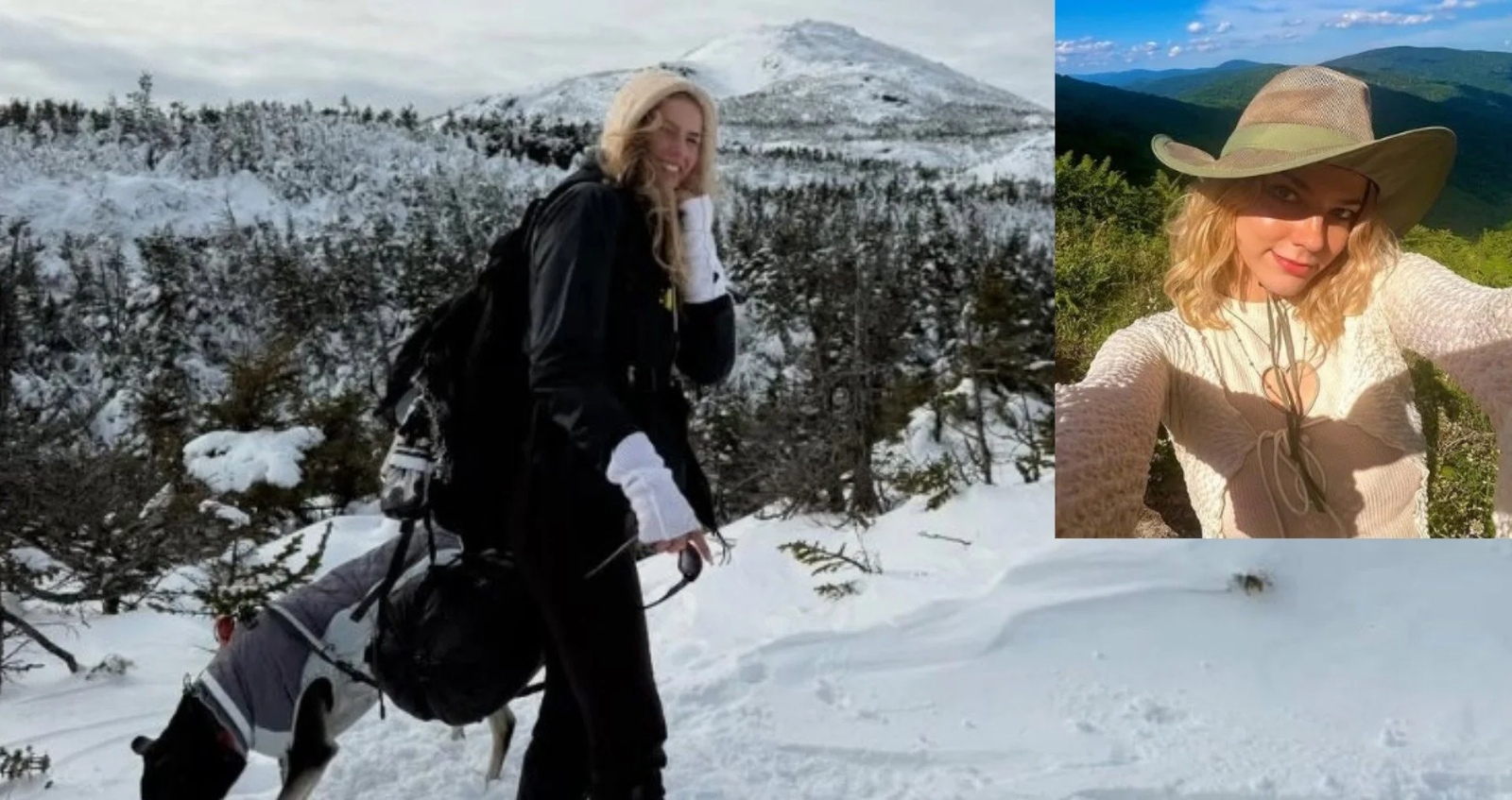
The death of 21-year-old Brianna L. Mohr on New York’s tallest peak has drawn renewed attention to the severe and unpredictable dangers of winter hiking in high-elevation terrain. Mohr, an experienced hiker from New Jersey, set out on February 12 to climb Mount Marcy, a destination known for both its scenic beauty and its harsh alpine conditions.
What began as a challenging but familiar outdoor pursuit turned into a fatal emergency after she slipped off the trail near the summit and became unable to climb back to safety. Despite a rapid response from rescue teams, extreme weather and difficult terrain delayed access, and she ultimately succumbed to hypothermia. The incident highlights how quickly environmental exposure can become life-threatening, even for skilled hikers, when conditions at elevation turn unforgiving.
The Incident on Mount Marcy
Mount Marcy rises 5,343 feet above sea level, making it the highest point in New York State and one of the most prominent peaks in the Adirondack High Peaks region. The mountain is a popular objective for hikers throughout the year, but winter conditions transform the climb into a far more technical and hazardous undertaking. On February 12, Mohr began her ascent toward the summit, navigating terrain that is often wet, icy, and exposed during colder months.
At approximately 3:05 p.m., Mohr contacted emergency services to report that she had slipped off the marked trail near the summit. According to authorities, she was unable to climb back up to the trail without assistance. Slipping from established paths in alpine environments can quickly place hikers in unstable positions on steep, snow-covered slopes or rocky ledges, where even minor movement may be difficult or dangerous. With daylight fading and temperatures dropping rapidly at higher elevations, the situation became increasingly urgent.
Winter conditions on Mount Marcy can differ dramatically from those at lower elevations. The summit area is exposed to wind and severe cold, and weather patterns often shift quickly. Even well-prepared hikers can encounter situations where traction is lost on ice, footing becomes unstable, or visibility decreases due to cloud cover or blowing snow. Once off the trail, reorienting or climbing back to safety may require technical equipment or assistance, particularly when terrain is steep or coated with ice.
Mohr had reportedly been hiking with a dog, which was later found unharmed by rescuers. The presence of a companion animal, though not uncommon among hikers, does not necessarily mitigate the risks posed by environmental exposure. While Mohr’s prior hiking experience suggested familiarity with challenging conditions, the fall and resulting immobilization left her vulnerable to the rapidly worsening environment near the summit.
Read : World’s Oldest Ostrich Nest with 911 Eggs Discovered in India
Exposure to cold at high elevations can lead to hypothermia in a relatively short period of time, especially when individuals are unable to move or generate body heat. In alpine winter settings, wind chill and subzero temperatures significantly accelerate heat loss. Without immediate rescue or the ability to return to sheltered terrain, survival becomes increasingly unlikely as time passes.
Rescue Efforts and Environmental Challenges
Emergency responders began mobilizing shortly after Brianna L. Mohr’s distress call. Rangers from the state’s environmental conservation agency and aircraft from the state police responded to the incident, coordinating efforts to locate her near the summit. However, heavy cloud cover made aerial search operations extremely difficult. Low visibility is a common challenge in mountainous terrain, where weather can shift quickly and obscure large areas of landscape from above.
Aerial search teams were unable to locate Mohr from the air due to the dense cloud cover surrounding the peak. In such conditions, helicopters may be grounded or forced to operate with severe limitations, reducing their ability to conduct precise searches. Mountain rescue operations often depend on clear visibility for locating stranded individuals, particularly in expansive or rugged areas where ground access is slow and physically demanding.
Read : 21-Year-Old Hiker Joseph Brambila Found Dead on Mount Whitney Month After Vanishing in Solo Climb
When aerial efforts proved unsuccessful, a ranger began ascending toward the summit on foot from the Marcy Dam Outpost. The approach itself required a strenuous hike of more than five miles and an elevation gain of approximately 3,000 feet. Winter ascents of this nature are physically taxing and time-consuming, particularly when rescuers must carry equipment and navigate icy terrain.
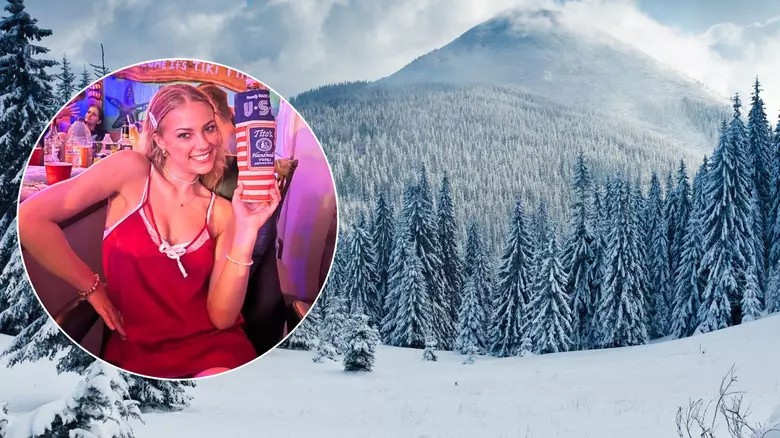
The ranger eventually located Mohr’s body near the summit shortly before 10 p.m., several hours after the initial emergency call. Weather data from a nearby airport, situated at a much lower elevation, recorded a temperature of minus 2 degrees Fahrenheit at the time. Because temperatures typically drop further with altitude, conditions near the summit would likely have been even colder. Wind exposure at the peak would also have intensified the chilling effect.
Search teams recovered her remains the following day. An autopsy later confirmed hypothermia as the cause of death. Hypothermia occurs when the body loses heat faster than it can produce it, causing core temperature to drop to dangerous levels. As body temperature declines, physical coordination and cognitive function deteriorate, making self-rescue increasingly difficult or impossible. In severe cases, unconsciousness and death can occur without rapid intervention.
Mountain rescue operations often depend on a combination of speed, weather conditions, and terrain accessibility. In this case, multiple factors complicated the response: cloud cover prevented aerial detection, steep terrain required time-consuming ground access, and extreme cold limited the window for survival. Even with a prompt emergency call and immediate response, the environmental conditions proved overwhelming.
Risks of Winter Hiking in the Adirondacks
Mount Marcy is among the most frequently visited peaks in the Adirondacks, attracting tens of thousands of hikers each year. Data from regional hiking organizations indicates that large numbers of visitors attempt the mountain annually, many drawn by its status as the highest point in the state and the sweeping views from its summit. The most commonly traveled route involves a lengthy round trip of nearly fifteen miles, crossing rugged and often wet terrain that becomes significantly more hazardous in winter.
Winter conditions fundamentally alter the mountain environment. Snow accumulation can obscure trails, while freezing temperatures transform water and mud into ice. The exposed summit is especially vulnerable to extreme weather, including high winds, subzero temperatures, and rapidly changing cloud cover. Even experienced hikers must contend with reduced daylight hours, heavier gear requirements, and increased physical strain.
Read : Teen Hiker Rescued from Heavy Storm in Northern California’s Bald Hills via Garmin SOS Activation
The Adirondack High Peaks region has a long history of winter rescues. Harsh weather, navigational challenges, and the physical demands of climbing in snow and ice have repeatedly placed hikers in danger. In one widely reported incident in March 2024, rescuers assisted a hiker who had become lost in a snowstorm while descending from Mount Marcy. By the time rangers reached him, he was suffering from hypothermia and frostbite, underscoring how quickly exposure can escalate into a medical emergency.
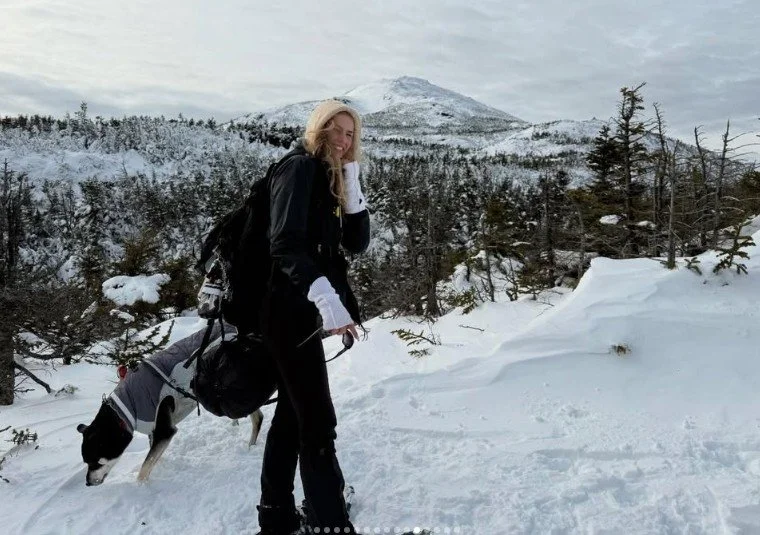
Winter hiking requires specialized preparation. Proper insulation, traction devices for icy terrain, navigation tools, emergency shelter, and knowledge of changing weather patterns are essential for safe travel. Even with preparation, however, unexpected events such as slips, injuries, or sudden weather shifts can leave hikers stranded. In remote alpine environments, self-sufficiency is often critical during the time it takes for rescuers to reach a location.
The popularity of Mount Marcy means that many visitors attempt the climb each year, but the mountain’s accessibility does not reduce its inherent dangers. Exposure at high elevations, combined with long approach distances and unpredictable weather, creates conditions that demand constant awareness and caution. Once a hiker becomes immobilized or separated from the trail, survival can depend on how quickly assistance arrives.
Mohr’s death illustrates the thin margin for error in winter mountain environments. A single fall or momentary loss of footing can initiate a chain of events that becomes difficult to reverse. When combined with subzero temperatures and limited daylight, even minor setbacks can escalate rapidly. Rescue teams often operate under significant constraints, and reaching a stranded hiker in remote terrain can take hours, even with coordinated response efforts.
The incident also reflects the broader reality of mountain safety in winter: experience does not eliminate risk, and environmental conditions can change faster than anticipated. Mount Marcy’s exposed summit, icy surfaces, and severe cold create an environment where preparedness and skill must be matched by favorable timing and weather. When those elements shift unexpectedly, the mountain can become dangerous with little warning.
Mohr had frequently traveled to mountainous regions and was familiar with winter hiking conditions, according to her social media activity. Yet her fall and subsequent exposure demonstrate how quickly control can be lost in alpine terrain. The successful recovery of her dog, found unharmed by rescuers, underscores the focused search efforts that followed her distress call, even as weather and terrain complicated the mission.
Mount Marcy remains a destination that draws hikers seeking challenge and natural beauty, but the environment surrounding its summit is unforgiving. The combination of elevation, exposure, and winter weather creates a setting where survival often depends on rapid mobility and immediate assistance. When either is compromised, the consequences can be severe, as this tragedy demonstrates.
365jilislot is where it’s at! If you’re looking for some serious slot action, this is the place to be. Trust me on this one. 365jilislot
Alright, so I used consultaoptantesn and it was actually really helpful. Got the info I needed quick and easy. Thumbs up! consultaoptantesn
Redplaycasino is a blast! The graphics are slick and the gameplay is smooth. Definitely worth checking out for some casino fun. redplaycasino