
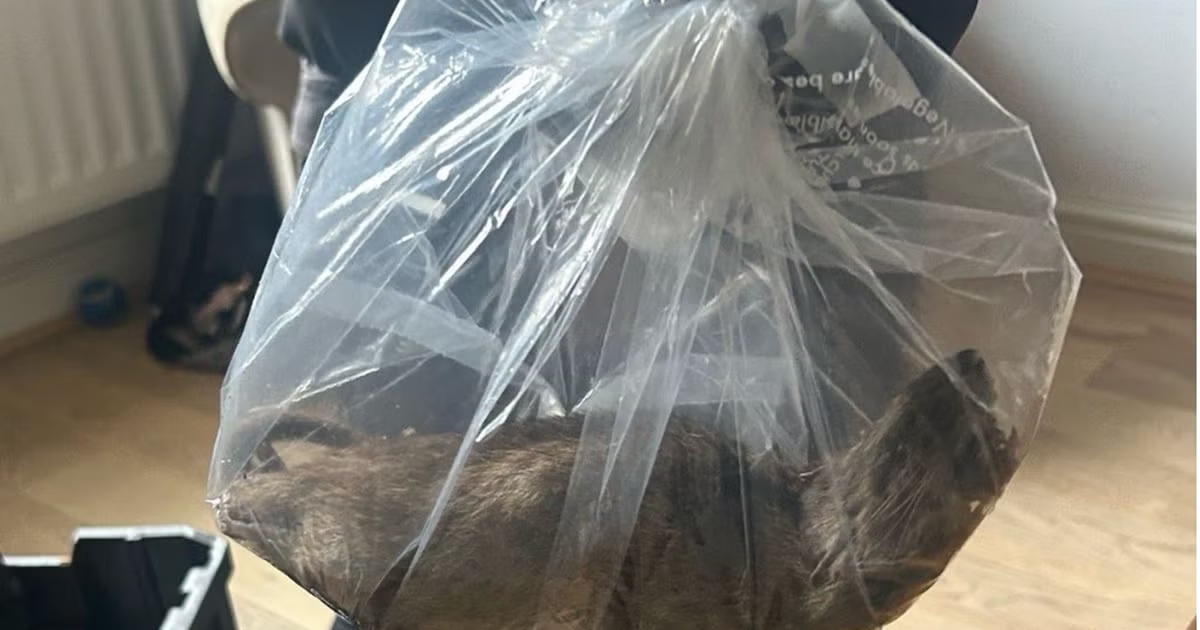
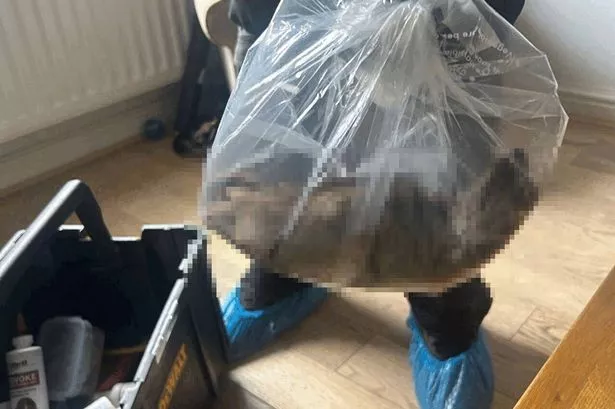
A startling discovery in a quiet residential area has shocked pest control experts, local councillors, and residents alike after a 22-inch rat, believed to be the biggest ever caught in the UK, was found in a home in Normanby, Redcar and Cleveland, in the north of England. The oversized rodent, reportedly the size of a small cat, was captured after an alarmed resident contacted exterminators due to increased sightings of large rats in the neighbourhood.
The shocking dimensions of the rat have brought renewed attention to what appears to be a rapidly worsening rodent infestation in the area. Concerns over public health, hygiene, and the availability of pest control services have sparked political debate between local councillors, with Conservative representatives blaming the Labour-run council for the worsening situation. The discovery of this ‘monster rat’ has made national headlines and ignited urgent calls for action across different sectors to prevent such infestations from spiraling further out of control.
A Rodent the Size of a Cat Sparks Public Outcry
The colossal rat, measuring a staggering 22 inches from head to tail, was found prowling in a resident’s home and has been described by officials as “the size of a small cat.” Pest controllers working in the Normanby area responded quickly and managed to capture the animal, but the incident has laid bare the deeper issues affecting pest control in the area.
Eston ward councillor David Taylor spoke candidly about the worsening situation, noting that rats are becoming more “brazen” and have “settled into the neighbourhood.” The massive rat is just one example of a much larger problem. Residents have reported seeing rodents frequently out in the open, even during daylight hours—something considered highly unusual for typically nocturnal pests.
Taylor’s concerns are echoed by his Conservative colleague, councillor Stephen Martin. Both councillors shared the image of the enormous rat on their joint Facebook page, triggering a wave of online commentary that initially generated over 100 comments locally and soon ballooned to over 1,000 across Teesside Live and other media platforms. The post captured national attention and thrust the issue of pest control—or lack thereof—into the political spotlight.
Read : Ageless Wonders: Earth’s Longest Living Species and the Science Behind Their Longevity
The councillors have since demanded a comprehensive vermin control strategy, including a borough-wide survey and an urgent action plan to address the rat infestation. “The longer this is ignored, the worse it will get,” Taylor warned, underlining the urgency of coordinated efforts involving local authorities, housing providers, water companies, and health services.
The Political Fallout: Ending Free Pest Control Services Under Fire
One of the central points of contention has been the decision by the Labour-led Redcar and Cleveland Council to end free pest control services for residents. The decision, made in an effort to cut costs, has been heavily criticised by Conservative councillors who argue that it has left households vulnerable to infestations they can neither manage nor afford to treat independently.
Read : 47-Year-Old Pippa McGrath Charged with Murder After 3-Year-Old Daughter Found Dead in Home
Taylor and Martin argue that the giant rat is a symptom of neglect and policy failure. “It’s clear this needs a joined-up response — from government, local councils, housing providers, landlords, the NHS, commercial developers, and the water board,” they wrote on their Facebook page. “This situation should never have been allowed to get this bad.”
The council, however, maintains that it still employs a dedicated pest control officer who handles infestations on council-owned land. A council spokesperson stated that while the wider pest control service is no longer offered to all residents, the council does provide guidance and advice. Additionally, efforts are ongoing with partners such as Beyond Housing and Northumbrian Water to tackle complex pest-related problems and explore long-term solutions.
Still, for many residents, advice is simply not enough. The cost of hiring private pest controllers can be prohibitive, especially for low-income families. The lack of affordable public pest control services has created a vacuum that rats have seemingly taken advantage of—multiplying, migrating, and establishing colonies in once rat-free streets.
The rodent problem is also being exacerbated by urban infrastructure issues. Overflowing bins, littered back alleys, derelict properties, and broken drainage systems all contribute to ideal breeding conditions for rats. Without regular extermination efforts and robust sanitation, such conditions allow rats to flourish unchecked.
The Rise of Supersized Rats: A Growing Problem Across the UK
The Redcar 22-Inch Rat may be the biggest found in Britain to date, but it’s far from the only large rodent spotted in recent years. Back in 2018, a 21-inch rat was discovered in Bournemouth, which was then considered the largest ever caught in the UK. For comparison, the average UK rat typically measures around 11 inches long, according to the RSPCA. These recent discoveries of supersized rodents raise important questions about what’s causing them to grow so large.
Pest control experts suggest a mix of factors may be at play. One major contributor is the increasing abundance of food waste available in urban environments. Rats have access to a wide range of discarded food from bins, litter, takeaways, and compost, enabling them to thrive and grow larger than ever. Additionally, warmer winters and milder climates, possibly due to climate change, have extended breeding seasons, giving rats more opportunities to multiply throughout the year.
Moreover, overuse and mismanagement of rodenticides may have led to the development of resistance among some rat populations. “Super rats” have been reported in several parts of the country, immune to traditional poisons and harder to exterminate. Combined with their intelligence, adaptability, and lack of natural predators in urban areas, rats are now more emboldened than ever.

Rats are not just an eyesore or nuisance—they are a real public health threat. They can carry and transmit diseases such as leptospirosis (Weil’s disease), salmonella, and hantavirus. They also cause significant property damage by gnawing through electrical wires, insulation, and even water pipes, increasing the risk of fires, flooding, and structural problems.
Councillors are now pushing for not just local but national recognition of the scale of the problem. They argue that a piecemeal, reactive approach is no longer enough. What’s needed is a coordinated strategy that includes legislation, public health measures, and funding to enable both prevention and intervention on a borough-wide and eventually nationwide scale.
The public’s response has been a mix of horror, anger, and dark humour. Online forums and comment sections are filled with stories of rat sightings, shared photos, and calls for government accountability. While the story of the 22-inch rat has captured headlines for its shock value, it has also served as a rallying point for broader concerns about urban living conditions, declining council services, and the health and safety of communities.
As the local council prepares to meet and discuss next steps, residents are left hoping that action will finally replace rhetoric. The rat may have been caught, but the issues it represents—neglect, poor policy decisions, and the erosion of essential public services—remain very much at large.