
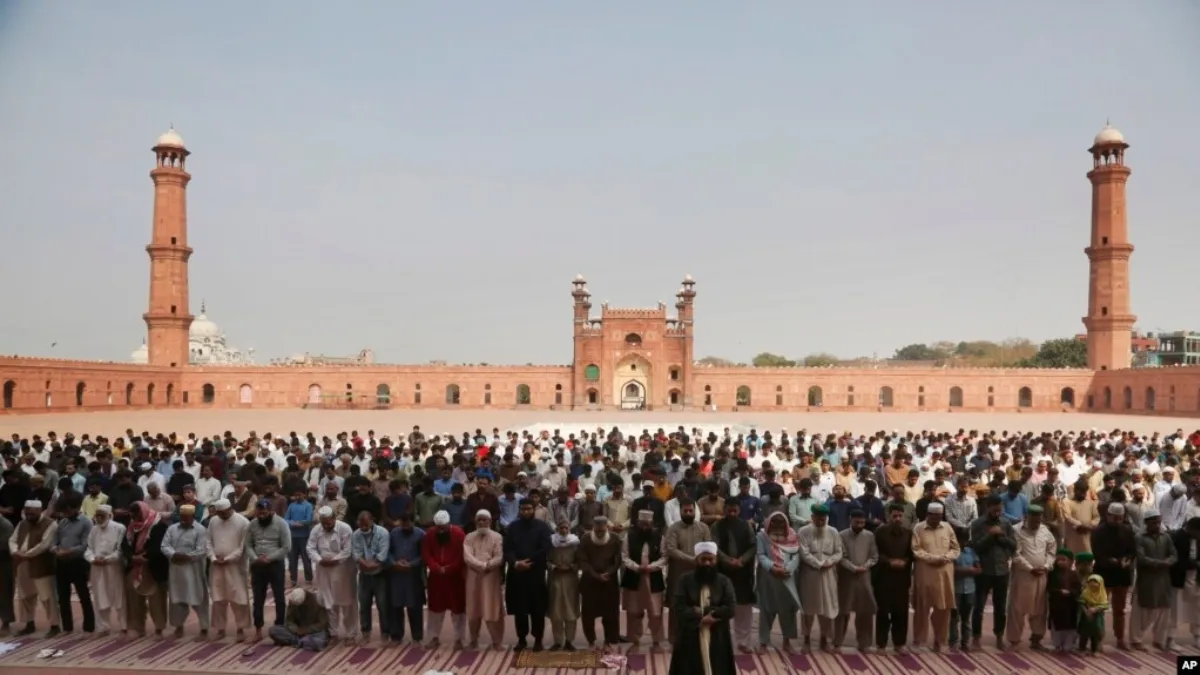
23 Ahmadis arrested for offering Friday prayers at Daska, Sialkot, have once again brought global attention to the ongoing persecution of this minority community in Pakistan. The incident, which took place in Punjab province, highlights the legal and social restrictions imposed on Ahmadis, preventing them from practicing their faith openly.
This latest arrest of 23 Ahmadis, including children as young as 11 and 14, raises serious concerns about religious freedom and human rights violations in the country.
Legal and Social Restrictions on Ahmadis in Pakistan
The legal framework in Pakistan places severe restrictions on the Ahmadiyya community, primarily through Section 298 C of the Pakistan Penal Code.
This law criminalizes Ahmadis for referring to themselves as Muslims and prohibits them from practicing aspects of Islam, such as offering prayers, reciting Islamic texts, or even greeting others with traditional Islamic phrases.
The law was first introduced in 1974 when Pakistan’s Parliament declared Ahmadis as non-Muslims. Ten years later, further amendments were made, making it illegal for them to identify as Muslims in any manner.
These restrictions have led to continued persecution, with frequent incidents of violence, discrimination, and legal action against Ahmadis. Even private worship has become a target, as seen in this latest case where police acted upon complaints from religious extremists.
Read : Explosion During Prayer at Nowshera Mosque in Pakistan, 5 Killed
The fact that children were among those arrested further underscores the severity of the situation. Despite legal provisions that allow pre-1984 places of worship for Ahmadis to remain intact, there have been instances of attacks on such sites, and authorities have often failed to protect them from extremist threats.
The Role of Religious Extremists and State Authorities
The recent arrests in Daska are believed to have been influenced by the radical Islamist group Tehreek-e-Labbaik Pakistan (TLP), which has a history of inciting violence against religious minorities.
According to reports, a group of Ahmadis had gathered for Friday prayers at their private place of worship when extremists assembled outside, chanting provocative slogans. Instead of ensuring the safety of the Ahmadis, the police responded by arresting them under pressure from the mob.
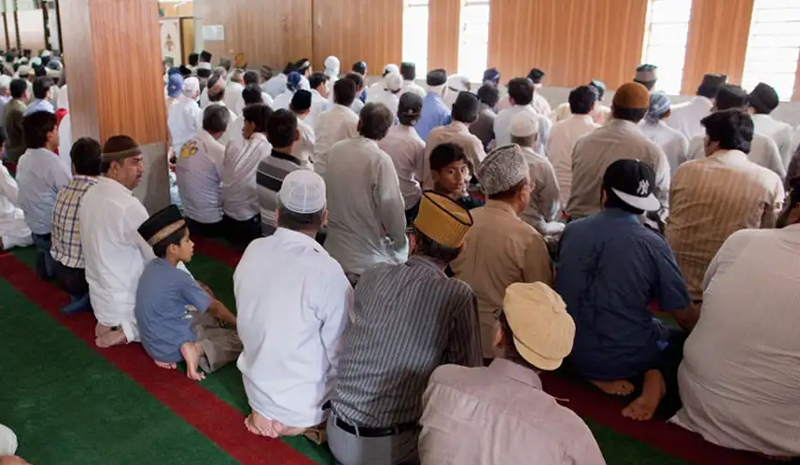
This pattern of appeasement of extremists by state authorities has been a growing concern in Pakistan, where laws designed to protect religious sentiments are often misused to target minority communities.
Jamaat-e-Ahmadiyya Pakistan has strongly condemned the actions of the police and the judiciary, stating that such measures contribute to the increasing marginalization and persecution of Ahmadis.
Read : Results of 70 Muslim Students Withheld in Sri Lanka Over Wearing Hijab in Exams
The spokesperson for the community, Aamir Mahmood, emphasized that the situation has deteriorated to the point where Ahmadis are now being denied even the right to worship within private premises. He called for international attention to this issue, urging human rights organizations to intervene.
Implications for Religious Freedom and Human Rights
The persecution of Ahmadis in Pakistan has drawn criticism from global human rights organizations, yet little has changed on the ground.
The latest arrests in Daska add to a long list of cases where Ahmadis have faced legal action, social ostracization, and even violence for practicing their faith. This raises questions about Pakistan’s commitment to religious freedom, a fundamental right enshrined in international human rights agreements.
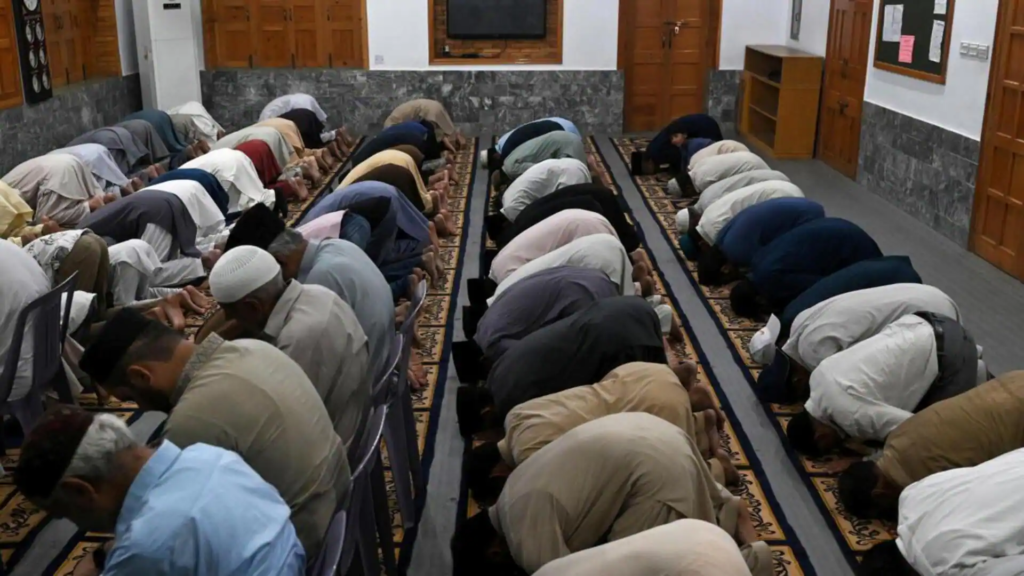
Despite constitutional provisions that claim to protect religious minorities, the state’s actions often reflect a different reality. The misuse of blasphemy laws and other religious laws disproportionately affects Ahmadis, Christians, Hindus, and other minority groups in Pakistan.
While some legal rulings, such as the Lahore High Court’s decision regarding pre-1984 places of worship, offer limited protection, enforcement remains weak, and violations continue unchecked.
The international community, including organizations like Amnesty International and Human Rights Watch, has repeatedly called on Pakistan to repeal discriminatory laws and protect religious minorities.
However, domestic political considerations, coupled with the influence of extremist groups, have made it difficult for successive governments to take meaningful action.
As the world watches, the plight of Ahmadis remains a stark reminder of the challenges faced by religious minorities in Pakistan. Without substantial legal reforms and a commitment to upholding human rights, incidents like the arrests in Daska will continue to occur, deepening the divide and reinforcing a culture of intolerance and discrimination.