
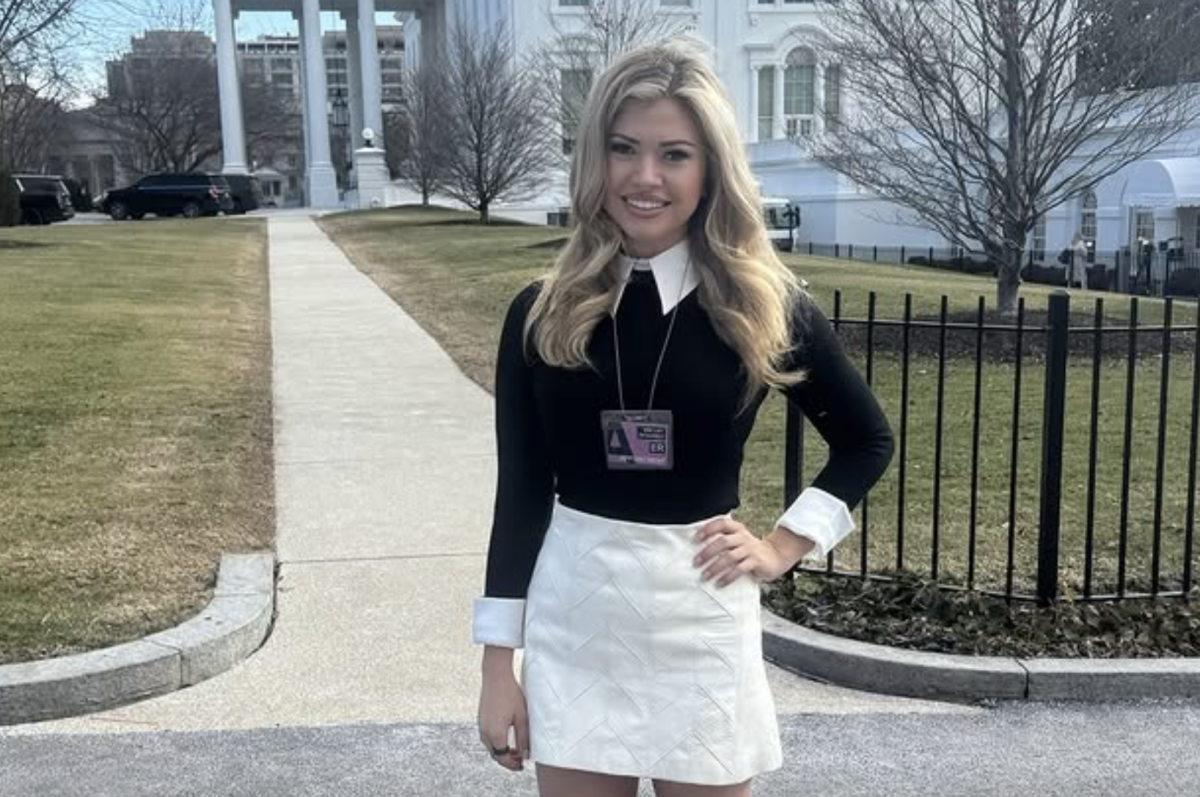
Natalie Winters, a 23-year-old journalist and co-host of Steve Bannon’s ‘War Room: Battleground,’ recently found herself at the center of controversy after sharing photos from her first day as a White House correspondent. In the images, she was seen wearing a black top, a white collared shirt, and a white skirt, paired with white socks and sneakers.
The post, captioned “Officially a White House Correspondent,” quickly gained traction online. However, instead of focusing on her journalistic credentials or achievements, many social media users criticized her outfit, deeming it “unprofessional” and “inappropriate” for such a prestigious role.
Some users argued that her attire was too casual for a formal political setting and urged her to dress more modestly. One commenter wrote, “Could you at least dress more modestly? This isn’t high school; it’s a professional and highly privileged position to be in.”
Another user criticized her footwear choice, saying, “Terrific, but rethink the skirt and sneakers. C’mon, you can’t be that dense.” These comments reflected a broader discussion about workplace dress codes and professionalism, particularly in political journalism, where traditional expectations of formal attire often persist.
The Controversy Over Natalie Winters’ Outfit
The debate over Winters’ outfit quickly escalated as social media users weighed in on whether her clothing choice was appropriate for a White House correspondent.
Many critics accused her of dressing too casually and lacking the professionalism expected in political journalism. They argued that reporters covering the White House should adhere to more formal dress codes, given the serious nature of their work.
Read : Italian Journalist Cecilia Sala Arrested in Iran for Violating the Law
Others, however, defended Winters, stating that professionalism is defined by one’s work rather than appearance. Supporters argued that the criticism she faced was rooted in outdated expectations and possibly gender bias. They pointed out that male journalists rarely face such scrutiny over their clothing choices.
This discussion also raised questions about the evolving norms of workplace attire. While traditional media institutions may still expect formal business attire, digital journalism and new media platforms often adopt more relaxed dress codes. The controversy surrounding Winters’ outfit highlighted the tension between these differing expectations.
Natalie Winters’ Response to Critics
Natalie Winters did not take the criticism lightly and quickly responded to the backlash. In a strongly worded post on X (formerly Twitter), she called out those who were scrutinizing her outfit, writing, “Excuse me? A few deranged haters comment that they didn’t like my sweater, and this becomes a story? You didn’t even ask for a comment.”
Excuse me?
— Natalie Winters (@nataliegwinters) January 30, 2025
A few deranged haters comment that they didn’t like my *sweater* and this becomes a story?
This mean girl energy is unreal, and you didn’t even ask for comment.
Last time I checked, at 23 I’ve broken more stories than most mainstream reporters (that you all tried… https://t.co/EUdhNkdXdd
Her response suggested that the controversy was blown out of proportion and that her critics were more interested in personal attacks than discussing her work as a journalist.
She also defended her accomplishments, stating, “Last time I checked, at 23, I’ve broken more stories than most mainstream reporters (that you all tried to censor and actively suppress by smearing as misinformation.)
All while graduating from UChicago in three years.” Her post highlighted her confidence in her reporting skills and the influence of her media platform. Additionally, she credited ‘War Room’ viewers as “the most powerful in media history,” alluding to the show’s impact on political narratives and election coverage.
Winters further escalated her response by suggesting that the criticism was driven by partisan bias rather than genuine concerns about professionalism.
In a more aggressive follow-up, she took aim at mainstream media and progressive ideologies, stating, “I know the left loves transgenderism, obesity, and ugly people, but you should pick someone else to attack.” This statement sparked even more debate, with some defending her right to express her opinions while others condemned her for making inflammatory remarks.
Support and Backlash
Natalie Winters’ response resonated with her supporters, many of whom praised her for standing up against media scrutiny. Some users on social media cheered her on, with comments like, “They hate you because you’re everything they’ll never be,” and “The sweater is classic. You are gorgeous. Ignore the haters.”
These messages reflected a broader sentiment among her followers that the backlash was rooted in jealousy and political bias rather than genuine concerns about journalistic professionalism.
However, not everyone was convinced by Winters’ defiant stance. Critics argued that her reaction was unnecessarily combative and that professionalism in journalism should be upheld regardless of political affiliation. Some felt that her remarks about transgenderism and obesity were offensive and distracted from the original debate about dress codes in professional settings.
Others pointed out that while casual outfits are increasingly accepted in some workplaces, journalists covering the White House are generally expected to dress formally to maintain the decorum of the press corps.
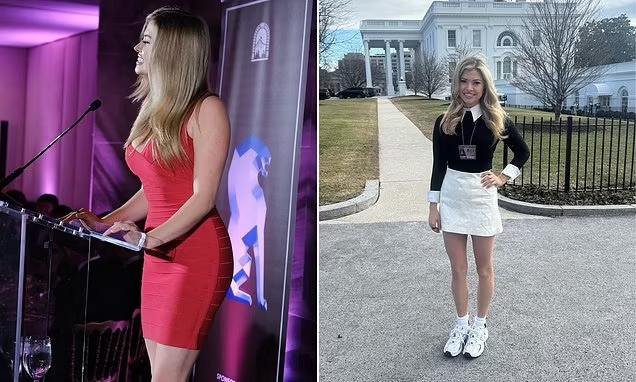
The debate over Winters’ outfit also sparked discussions about gendered expectations in professional attire. Many noted that male journalists rarely face the same level of scrutiny over their clothing choices, highlighting a double standard in how professionalism is judged.
Some female journalists weighed in on the issue, with mixed opinions on whether her outfit was appropriate or if the controversy was overblown.
In a follow-up post, Winters doubled down on her defiant attitude, tweeting, “Getting attacked by journalists for being hot? We are so back.” This statement further polarized opinions, with supporters embracing it as a sign of confidence and detractors viewing it as an attempt to trivialize legitimate criticisms.
The controversy surrounding Natalie Winters’ outfit serves as a microcosm of larger cultural and political debates. It raises questions about professionalism in journalism, gender expectations, and the role of political bias in media discourse.
While some see Winters as a bold, young journalist challenging outdated norms, others view her as dismissive of valid concerns about decorum in political reporting. Regardless of where one stands, the discussion surrounding her attire highlights the evolving nature of professionalism and the ongoing intersection of politics and media in the digital age.