
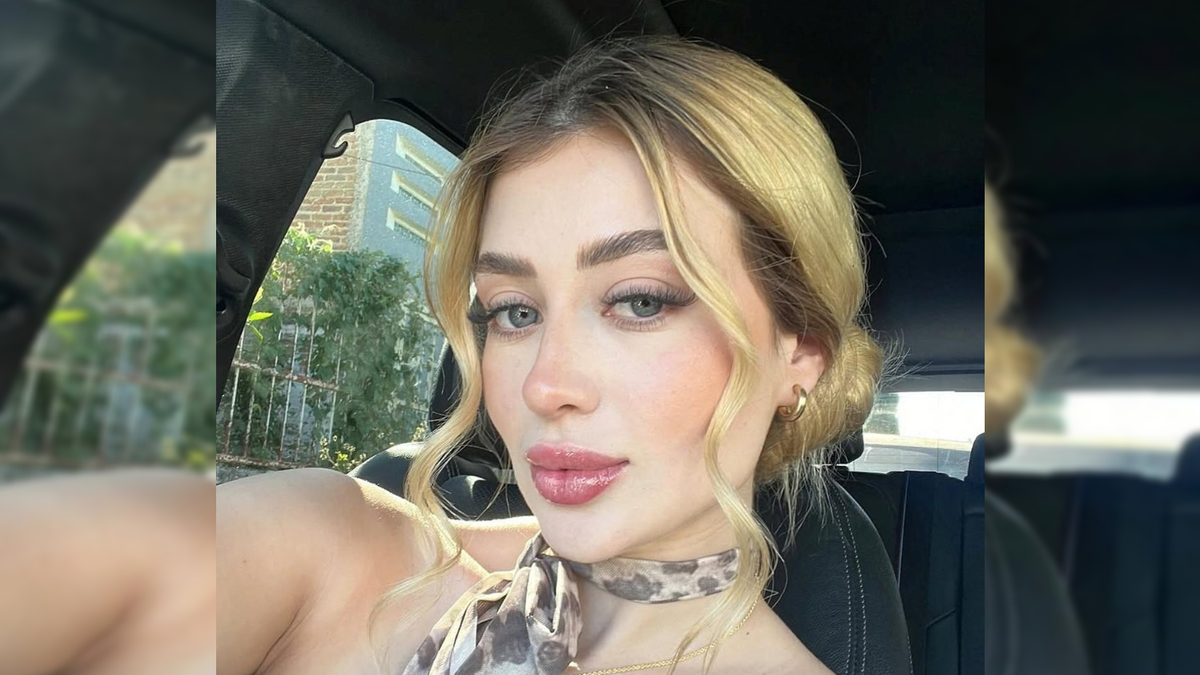
The city of Zapopan in Jalisco, Mexico, became the scene of a horrifying tragedy when 23-year-old social media influencer Valeria Márquez was gunned down in broad daylight while livestreaming on TikTok. The incident, which has shaken the entire country, highlights the deepening crisis of gender-based violence in Mexico.
Márquez, who was known for her cheerful demeanor and videos on beauty and makeup, had built a large following across TikTok and Instagram. Her murder was not only brutal and public but also symbolic of the persistent threat many women in Mexico face.
The killing occurred on a Tuesday afternoon inside the beauty salon where Valeria worked. Moments before her death, she was seen smiling and holding a stuffed animal in her hand during the live broadcast. Viewers heard her utter the chilling words, “They’re coming,” before the sound was abruptly muted.
Just seconds later, gunshots rang out. The livestream captured someone picking up her phone — their face briefly appearing on the screen before the video abruptly ended. It was a scene that played out like a nightmare, blurring the line between virtual entertainment and real-life horror.
Mexican authorities quickly launched an investigation, labeling the case as a possible femicide — a term used in Mexico to describe the killing of a woman based on her gender. According to the statement released by the Jalisco state prosecutor’s office, Valeria Márquez was targeted by a man who entered the salon and shot her.
While no suspect has been publicly named yet, the prosecutor emphasized that the case is being handled with the seriousness that femicide cases require under Mexican law.
Femicide Crisis in Mexico: A Grim Reality
Mexico has long been grappling with an epidemic of femicide. According to recent data from the United Nations Economic Commission for Latin America and the Caribbean, the country ranks among the worst in the region for gender-based killings, with 1.3 such deaths per 100,000 women in 2023 — the same as Paraguay, Uruguay, and Bolivia.
Femicide in Mexico is not merely about murder; it often includes a pattern of degrading violence, sexual abuse, or murder at the hands of someone known to the victim. Frequently, the victims’ bodies are left in public places — an act meant to further humiliate and dehumanize them.
The shocking nature of Valeria Márquez’s murder has brought renewed attention to this crisis. Her death was not hidden or shrouded in mystery — it was streamed live, unfiltered and raw.
Read : Japanese YouTuber Airi Sato Stabbed While Livestreaming in Tokyo Street
It forced thousands of viewers and citizens alike to confront the horror of violence against women in a way that statistics and news reports often fail to capture. The brutality was immediate, the fear palpable, and the aftermath devastating.
Jalisco, where the murder took place, is among the most violent states in Mexico, ranking sixth in homicides among the country’s 32 states, including Mexico City.
🅱️REAKING: Full Video of Female Mexican TikTok influencer Shot to Death During Livestream #ValeriaMarquez untimely death
— Politics On 𝕏 (@PoliticsOnX) May 15, 2025
is being searched heavily on social media today. What’s your take on this video and the cartel problem Mexico can't solve? Will it come to America? Is it… pic.twitter.com/dlVPpv5eTD
Since President Claudia Sheinbaum took office in October 2024, the state has recorded over 900 homicides. While not all are categorized as femicides, the growing violence is undeniable and disproportionately affects women and marginalized communities.
What makes Valeria Márquez’s death even more troubling is the context surrounding it. Earlier in the same livestream, she expressed concern about someone who had come to the salon with an expensive gift while she was away. She appeared wary, stating that she wasn’t planning to wait for the person’s return. This detail, along with the cryptic words “They’re coming,” suggests she may have feared for her safety — a fear tragically realized minutes later.
A Symbol of Broken Dreams and Public Fear
Valeria Márquez was more than a social media influencer — she was a young woman with aspirations, talents, and a vibrant spirit. Through her videos, she empowered her audience with tips on self-care, beauty routines, and self-confidence. Her personality was magnetic, and her followers loved her for her honesty and warmth.
That a person like Valeria Márquez could be hunted down and murdered while doing something as harmless as filming a makeup tutorial is a searing indictment of the current state of women’s safety in Mexico.
For many young Mexican women, Valeria Márquez’s death is both terrifying and familiar. It is not uncommon for women in the country to feel a constant sense of danger in public and even private spaces.
Many live with the fear of being stalked, harassed, or worse — killed. The fact that this particular act of violence occurred on a public platform only amplifies the message: not even the virtual world is a safe space for women anymore.

Public outcry has been swift. On social media, fans, fellow influencers, and human rights activists have expressed their sorrow and rage over the killing. Hashtags demanding justice for Valeria began trending within hours.
Vigils were held in her honor, and her videos are now being shared widely — not just as tributes, but as stark reminders of the life and talent that was so abruptly stolen. There’s also increasing pressure on local and federal authorities to take stronger action against femicide and ensure swifter justice for victims.
Too often in Mexico, these cases remain unsolved, and perpetrators walk free due to corruption, lack of resources, or indifference. Activists argue that unless these systemic issues are addressed, tragedies like Valeria’s will continue to haunt the country.
The Urgent Need for Change and Justice
Valeria Márquez’s murder has cast a spotlight on multiple crises — gender violence, public safety, impunity, and the illusion of safety in online spaces. Her case is far from isolated, yet it is uniquely powerful because of the circumstances under which it occurred.
Millions across Mexico and beyond watched in disbelief as a life was taken in real time, a brutal reminder of how fragile safety can be for women. The immediate demand is justice — identifying and prosecuting the person responsible for this crime. But justice must extend beyond punishment.
It must include policy changes, societal introspection, and a cultural shift that challenges the normalization of violence against women. There needs to be a comprehensive national strategy that includes education, police reform, legal accountability, and support for victims and survivors.

Law enforcement agencies in Jalisco and across Mexico must also be held to higher standards. Investigations into femicide must be thorough, victim-centered, and transparent. Too often, families of victims are left in limbo, receiving little information and no closure. The justice system must prioritize the voices of victims and survivors over bureaucratic inefficiency or political optics.
In addition, the digital world — once seen as a refuge or a platform for freedom and self-expression — must be reassessed. For women like Valeria Márquez, the internet was a career, a creative outlet, and a source of community.
But it also made her visible in ways that could attract unwanted attention or danger. Social media companies must do more to protect vulnerable users and respond more quickly to threats, stalking, or signs of danger.
Above all, Valeria’s death must not be forgotten. She must not become another statistic or fleeting headline. Her life — full of passion, creativity, and promise — must be honored with action, not just mourning. She represents countless other women who are silenced every year due to gender-based violence, whose stories don’t go viral, and whose deaths go unpunished.
The murder of Valeria Márquez is a national tragedy, a human rights crisis, and a wake-up call. It forces a reckoning with the brutal reality facing Mexican women every day. It compels a society to ask: How many more must die before meaningful change is made?