
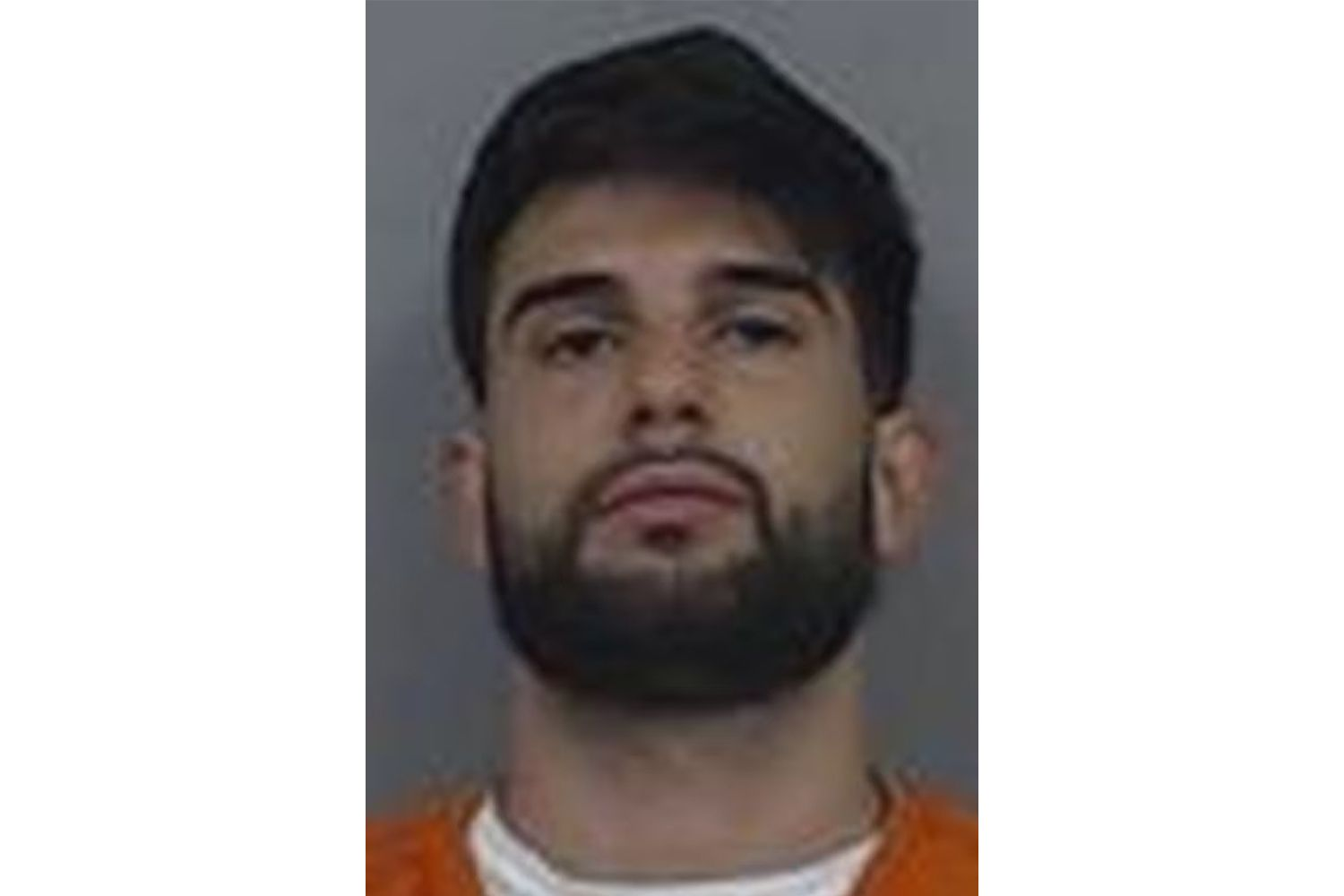
A midair disturbance aboard a Delta Connection flight operating between Omaha and Detroit in July resulted in a federal prison sentence for a Michigan man after prosecutors detailed a series of escalating actions that endangered passengers and crew. The case underscores the serious legal consequences attached to disruptive conduct on commercial aircraft, where federal jurisdiction applies and safety risks are treated with heightened urgency.
According to court records and statements from the U.S. Attorney’s Office for the Northern District of Iowa, the incident involved repeated defiance of crew instructions, physical confrontation with flight attendants, threats of violence, and an attempt to tamper with an emergency exit while the aircraft was in flight. These actions ultimately forced an emergency diversion and led to criminal charges carrying mandatory prison time.
Mario Nikprelaj, 24, of Shelby Township, Michigan, pleaded guilty to interfering with flight crew members and attendants, a federal offense. On Tuesday, he was sentenced to 18 months in prison, followed by two years of supervised release. Federal authorities emphasized that parole is not available in the federal system, meaning the prison term must be served in full. The sentencing reflects growing concern among aviation regulators and prosecutors over unruly passenger behavior, which has increased scrutiny since several high-profile in-flight incidents in recent years.
Disruptive Behavior Begins Before Takeoff
Prosecutors said Mario Nikprelaj’s conduct began even before the aircraft departed the gate. During preflight preparations, he reportedly refused to comply with standard safety requirements, including keeping his seatbelt fastened. Crew members described him as argumentative and disrespectful, making rude remarks when asked to follow routine instructions. These early signs of defiance set the tone for what would later become a serious safety incident.
Once the flight was airborne, the situation deteriorated rapidly. Nikprelaj repeatedly stood up from his seat despite being told to remain seated. He ignored multiple instructions from flight attendants and continued to move about the cabin, behavior that is strictly prohibited during flight due to the risk of injury and interference with crew duties. Prosecutors said his actions were not isolated or momentary lapses, but part of a pattern of escalating noncompliance.
The confrontation intensified when Nikprelaj physically poked a flight attendant in the chest and threatened to kill them. The threat, directed at a uniformed crew member performing safety-related duties, immediately elevated the incident from a matter of passenger misconduct to a federal crime. Interfering with flight crew members is treated seriously under U.S. law because such behavior can compromise the safety and authority of those responsible for the aircraft.
Read : Belgian Bliss: A Comprehensive Guide to the Heart of Europe
According to court filings, Nikprelaj appeared to fall asleep at one point, leading some on board to believe the disturbance had ended. That assumption proved short-lived. Shortly afterward, passengers noticed him manipulating the emergency exit door. Several pressed their call buttons simultaneously, alerting crew members to a potential safety breach. Any attempt to tamper with an emergency exit while an aircraft is in flight is regarded as an extreme hazard, regardless of whether the door can actually be opened at altitude.
Midair Escalation and Emergency Diversion
The attempted tampering with the emergency exit prompted immediate intervention by flight attendants. An 80-year-old flight attendant, whom Nikprelaj had previously threatened, approached him in an effort to stop the behavior and restore order. Prosecutors said Nikprelaj responded by pushing the attendant aside, cursing at them, and continuing to make threats. The physical contact and verbal aggression further compounded the seriousness of the incident.
At this stage, the flight crew assessed the situation as a potential threat to the safety of everyone on board. The captain made the decision to divert the aircraft to Eastern Iowa Airport in Cedar Rapids for an emergency landing. Such diversions are costly and disruptive, but are undertaken when there is a credible risk to safety that cannot be managed in the air.
Read : British Family Accused of Wheeling Dead Grandmother Onto EasyJet Flight
During the descent and after the aircraft landed, Nikprelaj’s behavior remained erratic and confrontational. Prosecutors said he removed his shirt, walked up and down the aisle, and confronted passengers who attempted to help restrain him. Three passengers reportedly tried to assist the crew in controlling the situation, but Nikprelaj continued to act belligerently.
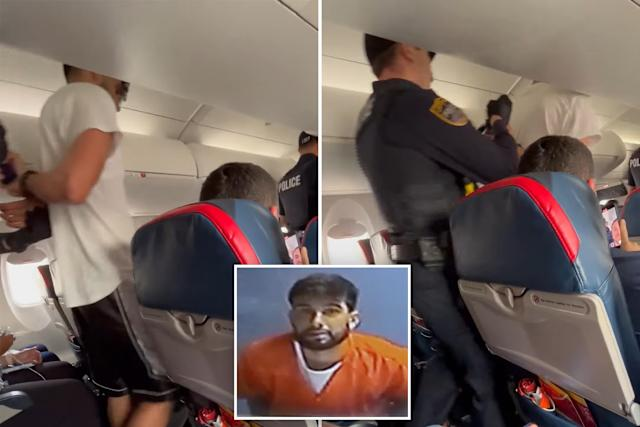
Law enforcement officers from Cedar Rapids took Nikprelaj into custody after the plane came to a stop. No serious injuries were reported, but the incident left passengers shaken and resulted in significant disruption to travel plans. The emergency diversion also required coordination among flight crew, air traffic control, airport authorities, and local police, illustrating the wide-ranging impact of a single passenger’s actions.
Authorities later discovered a prescription bottle containing 41 pills of purported Xanax in Nikprelaj’s possession. Prosecutors said the medication was not prescribed to him. While the sentencing announcement focused primarily on the interference with flight crew charge, the presence of unprescribed medication was cited as part of the overall context of the incident and his conduct that day.
Sentencing, Legal Consequences, and Broader Implications
Nikprelaj’s guilty plea led to a sentence of 18 months in federal prison, followed by two years of supervised release. Federal prosecutors noted that inmates in the federal system are not eligible for parole, meaning the sentence represents a fixed term of incarceration. The court’s decision reflects established sentencing guidelines and the seriousness of offenses that threaten aviation safety.
Read : Family Sues KLM After Allegedly Being Bitten by Bed Bugs on Transatlantic Business-Class Flight
In addition to the immediate conviction, prosecutors highlighted Nikprelaj’s prior legal history. Court records cited by authorities indicate he has faced charges in the past for assaulting a police officer, domestic violence, and drug-related offenses. While those cases were separate from the airline incident, they were referenced to provide context for his interactions with law enforcement and the court system.

The case serves as a reminder of the legal framework governing conduct on commercial flights. Aircraft in flight fall under federal jurisdiction, and actions that might be treated as misdemeanors on the ground can result in felony charges when they interfere with flight operations or crew members. Threats, physical contact, and refusal to comply with lawful instructions from flight attendants are all factors that can lead to prosecution.
Airlines and federal authorities have repeatedly emphasized that flight attendants are not merely customer service workers but are trained safety professionals responsible for enforcing regulations designed to protect everyone on board. Interfering with their duties, particularly during critical phases of flight, carries severe consequences.
The sentencing also reflects broader efforts by the Department of Justice and the Federal Aviation Administration to deter unruly passenger behavior. In recent years, prosecutors have sought prison terms and substantial fines in cases involving violence, threats, or attempts to breach aircraft security. Officials have stated that such enforcement is intended to reinforce the message that disruptive conduct in the air will not be tolerated.
For passengers, the incident illustrates how quickly a flight can be diverted and lives disrupted when safety is compromised. For the aviation industry, it highlights the challenges faced by crew members who must manage unpredictable situations at altitude while ensuring compliance with safety rules. The outcome of the Nikprelaj case adds to a growing body of federal prosecutions aimed at preserving order and security in commercial aviation.
Enjoyed looking through this, very good stuff, thankyou.