

The sentencing of a British backpacker in Western Australia has drawn international attention to the risks associated with electric scooters, alcohol use, and urban pedestrian safety. Alicia Kemp, a 25-year-old tourist on a working holiday visa, was jailed for four years after a collision in central Perth that claimed the life of 51-year-old pedestrian Thanh Phan.
The case has resonated far beyond the courtroom because it involves a mode of transport increasingly embedded in city life, regulatory frameworks still evolving, and the irreversible consequences of a single decision made under the influence of alcohol. The District Court’s findings, the victim’s background, and the broader policy response together illustrate how a moment of recklessness can intersect with systemic gaps to produce a fatal outcome.
The Night of the Collision and the Court’s Findings
The fatal incident occurred in May on Murray Street, a busy pedestrian thoroughfare in Perth’s central business district. On the evening in question, Alicia Kemp had spent several hours drinking alcohol with colleagues at an all-you-can-drink event before continuing to bar-hop across the city. Evidence presented to the court showed that she was refused entry to two venues because of her level of intoxication. Despite this, she later hired a rented electric scooter and allowed a friend to ride as a passenger, an action prohibited under Western Australian e-scooter regulations.
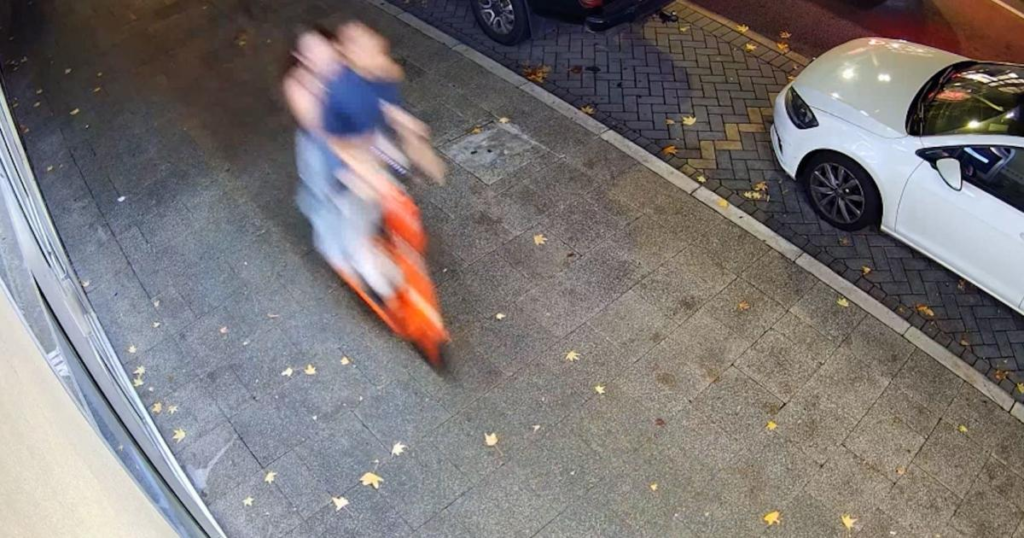
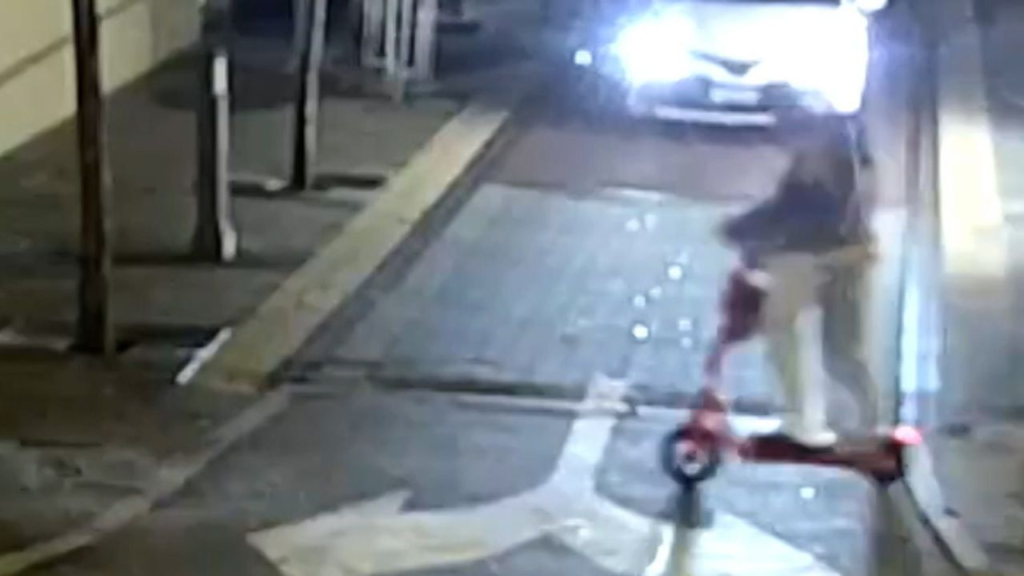
Closed-circuit television footage played a central role in the prosecution’s case. The footage showed Alicia Kemp riding the scooter along a crowded footpath at an estimated speed of 20 to 25 kilometres per hour, close to the device’s maximum capability. Prosecutors told the court that she was weaving through pedestrians and that her blood-alcohol concentration was more than three times the legal driving limit of 0.05. While e-scooters are often perceived as informal or low-risk transport options, the court treated the device as a motor vehicle for the purposes of assessing dangerous driving.
Thanh Phan, a structural engineer and father of two adult sons with autism, was walking ahead of the scooter when he was struck from behind. Medical evidence indicated that he had no opportunity to react or evade the collision. The impact caused catastrophic head injuries, and despite emergency medical intervention and surgery, Phan died in hospital shortly after the incident. Alicia Kemp’s passenger also sustained serious injuries.
A British backpacker has been sentenced to four years in prison in Australia after killing a man while riding an electric scooter.
— Channel 4 News (@Channel4News) December 12, 2025
25-year-old Alicia Kemp was over the legal blood alcohol limit when she hit Thanh Phan in Perth in May. He died in hospital several days later after… pic.twitter.com/gcCkZzsSfm
Alicia Kemp pleaded guilty to dangerous driving causing death while under the influence of alcohol. During sentencing, Judge Wendy Hughes rejected the characterization of the incident as an accident. In her remarks, the judge emphasized that the combination of heavy drinking, excessive speed, and disregard for basic safety rules transformed the scooter ride into a lethal act. Addressing the defendant directly, Judge Hughes described Kemp as a “cautionary tale,” underscoring that the consequences flowed directly from her choices rather than unforeseeable circumstances.
The court also considered Alicia Kemp’s conduct after the collision. Evidence showed that she briefly continued drinking because she believed the injuries were minor. Judge Hughes noted that this behavior was neither cold nor callous in context, as the full extent of the victim’s injuries was not immediately apparent. However, the judge made clear that this did not mitigate responsibility for the original act of riding while intoxicated in a crowded public space.
The Life and Loss of Thanh Phan
The human cost of the collision was articulated most powerfully through the victim impact statement submitted by Thanh Phan’s family. Phan was described as the backbone of his household, providing emotional, financial, and practical support to his wife, Loan Lee, and their two sons, both of whom have high care needs due to autism. His work as a structural engineer reflected a career built on precision and responsibility, qualities that his family said also defined his role at home.
Read : Pedestrian Dies After Being Hit by Ambulance Responding to Emergency Call in Elgin
In her statement read aloud in court, Lee spoke of the vulnerability and uncertainty that now define her family’s future. The loss of Phan was not only emotional but structural, removing the primary source of stability and care within the household. She described the pain of watching her sons wait for a father who would never return, a daily reminder of the permanence of the loss. The statement highlighted how a single fatal incident can ripple outward, affecting not just immediate relatives but the long-term wellbeing of dependents.
The court acknowledged the gravity of this impact when determining sentence. While Kemp’s defense emphasized her youth, educational background, and expressions of remorse, the judge weighed these factors against the irreversible harm suffered by the Phan family. Kemp, who had graduated in psychology and criminology and previously volunteered overseas, was described by her lawyer as coming from a supportive family and experiencing profound remorse. She reportedly struggled to view footage of the collision and wept during the reading of the victim impact statement.
Despite these considerations, the court concluded that a substantial custodial sentence was necessary. The four-year prison term, backdated to June 1, reflects both punishment and deterrence. Kemp will be eligible for parole after serving two years and has been disqualified from driving for the same period. The sentence aimed to recognize the seriousness of the offense while also accounting for the guilty plea and expressions of remorse.
E-Scooter Regulation and Public Safety in Western Australia
Beyond the individual tragedy, the case has intensified scrutiny of e-scooter regulation and public safety in Western Australia. Electric scooters have become a common feature in many cities worldwide, promoted as convenient, low-emission transport options for short urban trips. In Perth, as in other jurisdictions, their rapid adoption has outpaced comprehensive regulatory adaptation, particularly regarding enforcement and public awareness.
Read : Rhode Island Woman with 100+ Arrest Records Charged in Crash That Killed Roderick MacLeod
At the time of the incident, Western Australian rules required riders to be at least 16 years old, wear helmets, ride sober, and refrain from carrying passengers. Kemp violated several of these conditions simultaneously. The case exposed how easily these rules can be ignored, especially when scooters are hired spontaneously late at night in entertainment districts where alcohol consumption is common.
In response to Phan’s death, the City of Perth suspended its e-scooter hire scheme, citing safety concerns. Other local councils followed suit, prompting a broader reassessment of how and where such devices should operate. A subsequent parliamentary inquiry examined injury data from Perth’s main trauma hospital and found that serious e-rideable injuries had become a daily occurrence. The inquiry concluded that there was an urgent need for state-level reform to address rising injury rates and inconsistent enforcement.
The inquiry’s findings pointed to several areas of concern, including the suitability of shared footpaths for mixed pedestrian and e-scooter use, the adequacy of speed limits, and the effectiveness of public education campaigns. Medical professionals reported a steady stream of head injuries, fractures, and internal trauma linked to e-scooter crashes, often involving alcohol. These findings challenged the perception of e-scooters as inherently low-risk and highlighted the potential for severe harm when safety rules are disregarded.
Policy responses under consideration have included stricter penalties for riding under the influence, technological measures such as speed limiters and geofencing, and clearer separation of pedestrian and micro-mobility spaces. Some councils have explored restricting scooter operation during late-night hours or in high-density pedestrian zones. Others have emphasized the need for consistent helmet use and more visible enforcement to reinforce that e-scooter laws carry the same weight as those governing cars and motorcycles.
The Kemp case has become a reference point in these discussions because it demonstrates how regulatory failure, personal responsibility, and environmental context can converge. The judge’s remarks underscored that the device’s size or informality does not diminish the duty of care owed to others. As cities continue to integrate new forms of transport, the balance between accessibility and safety remains a central challenge.
The death of Thanh Phan and the imprisonment of Alicia Kemp illustrate the real-world consequences of that challenge. While the legal process has concluded with a sentence, the broader implications continue to shape public debate and policy development in Western Australia and beyond.
Heard some good things about Taib29 so I decided to give it a whirl. Not disappointed! Good selection of games and the site loads fast. Definitely worth checking out taib29