

In a world that often pushes individuals toward high-paying corporate jobs, one young graduate has taken an unexpected career turn that has caught the attention of many. Ma Ya, a 25-year-old Cambridge University graduate, made the bold decision to leave her lucrative position at a biopharmaceutical company and take on a job as a zookeeper at the Shanghai Zoo.
This unconventional choice has left many people in awe, given her impressive academic credentials and the financial sacrifices involved. Ma’s story is a testament to the pursuit of passion over monetary gain and the value of prioritizing health and personal fulfillment.
An Unconventional Career Path
Ma Ya’s decision to leave behind a secure and well-paying job in the biopharmaceutical industry to care for animals at a zoo is an unusual one, especially considering her background.
Graduating with a degree in biological sciences from Imperial College London and a master’s degree in veterinary science from the University of Cambridge, Ma Ya seemed destined for a successful career in a scientific or corporate field.
At biopharmaceutical companies, the average salary for a new researcher is around 10,000 yuan (US$1,400) per month. For a graduate from a prestigious university, this figure would typically be seen as a solid starting point for a promising career.
However, despite these advantages, Ma found herself feeling unfulfilled by her office job. Her decision to work as a zookeeper, a position that offers a much lower salary, took many by surprise. The average pay for a zookeeper is half that of a biopharmaceutical researcher, yet Ma chose to embrace this change, emphasizing that her health and happiness were more important than financial compensation.
Read : Outrage in China as Highway Patrol Officers Eat Dog That Escaped from Pet Boarding Center
For Ma, the switch wasn’t just about taking a job with better working conditions—it was about achieving a sense of fulfillment that her previous career could not offer. While her colleagues were entrenched in office environments and laboratory settings, Ma found the prospect of working closely with animals much more appealing.
After graduating from the University of Cambridge last year, Ma Ya joined #Shanghai Zoo as a #zookeeper! 🦒 Now in charge of the herbivore section, she's caring for a variety of #animals every day. Let's take a look at her work! 🦓✨ #ShanghaiZoo pic.twitter.com/jLfcR0Cpi0
— Shanghai Let's meet (@ShLetsMeet) February 21, 2025
She felt that being surrounded by the natural world would allow her to lead a more active and fulfilling lifestyle, one that was not confined to a desk. As she continued to thrive in her new position, Ma realized that this job gave her a sense of purpose and allowed her to contribute to the well-being of the animals she cared for.
The Healing Power of Animals
Ma Ya’s new life as a zookeeper has brought with it many unexpected joys and challenges. Working at the Shanghai Zoo has not only provided Ma with the physical activity and health benefits she sought, but it has also offered her hands-on experience that aligns with her academic pursuits.
The daily interaction with animals allows Ma to study their behavior and understand their needs in ways that cannot be replicated through books or research papers alone.
Her role as a zookeeper has been a far cry from the theoretical knowledge she gained during her years of study. While she continues to apply her veterinary expertise in her new position, she is also learning practical skills that she had not acquired in the classroom.
She now has the opportunity to observe animals up close and develop a deeper understanding of their health, diet, and behavior. Ma Ya has expressed how much this experience has enhanced her research in animal nutrition and disease treatment, providing her with invaluable insight into the field.

In her role, Ma cares for a variety of animals, including elephants, hippos, monkeys, tigers, and red pandas. She finds herself continuously surprised by the animals’ behaviors and the unique ways they interact with their environment. One such experience involved a red panda, which refused to use its paws to grab food from a specially designed feeding box.
Instead, the red panda inserted its head into the box and grabbed the food with its mouth. This moment, although seemingly trivial, was a revelation for Ma. It reminded her of the wonder and unpredictability of animal behavior—something that she had only been able to study from a distance before becoming a zookeeper.
Beyond her daily tasks of feeding and caring for the animals, Ma has also been able to participate in research projects that involve animal behavior and health.
Her work at the zoo goes beyond basic animal care; she engages in cutting-edge studies aimed at improving the welfare of zoo animals. Her exposure to real-world applications of her academic background in veterinary science has given her a new sense of purpose, as she can now see the immediate impact of her efforts on the lives of the animals she cares for.
Finding Joy in Simplicity
While many people would find it difficult to make such a drastic career change, Ma’s decision has allowed her to experience a deeper connection with her work and the world around her.
In a society that places great value on academic success and corporate careers, Ma’s choice may seem unusual, but it has ultimately brought her greater happiness and health. Her new job offers not only physical activity but also emotional fulfillment, as she develops a profound bond with the animals she tends to.
Ma Ya has also gained important life lessons through her interactions with animals. She has learned that caring for animals requires a delicate balance between nurturing them and respecting their wild nature.
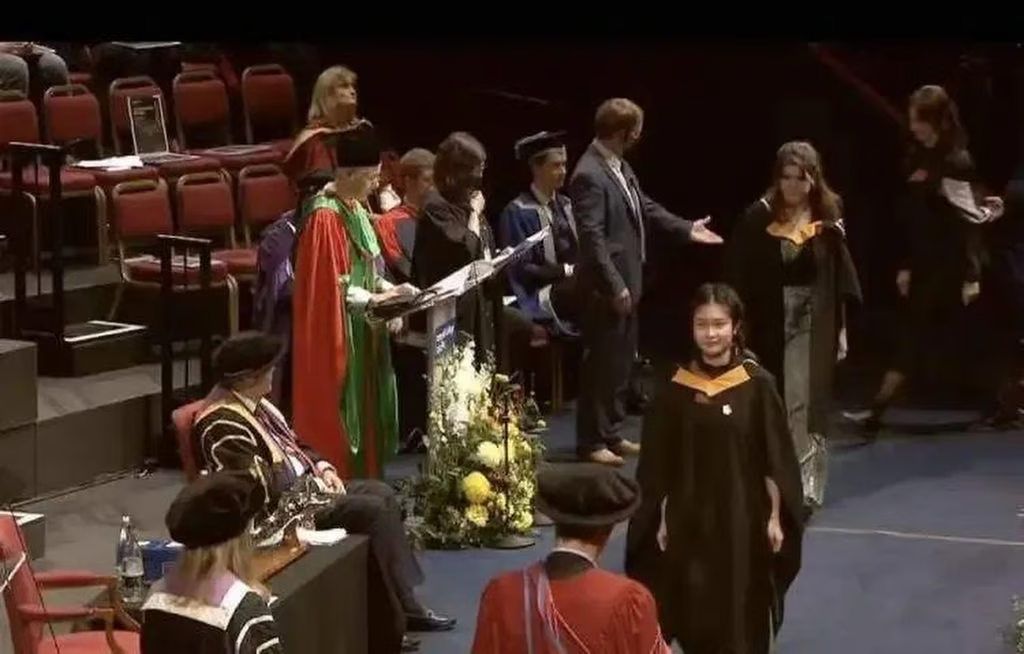
She has come to understand that animals, while domesticated in many ways, still possess instincts and behaviors that reflect their untamed origins. This understanding has influenced the way she approaches her work at the zoo, reminding her of the importance of patience, respect, and empathy when working with living creatures.
In an age where career success is often measured by salary and status, Ma’s story stands as a testament to the idea that personal fulfillment and health should be prioritized above all else.
As Ma reflects on her new role, she acknowledges that while the zoo job may not offer the same financial rewards as her previous position, it has brought her peace of mind and a renewed sense of purpose.
Moreover, Ma’s parents have been supportive of her unconventional career choice, which has encouraged her to continue down this path. They understand that true happiness comes from doing what one loves, and they have watched with pride as their daughter has thrived in her new role.
A Changing Perspective on Career Success
Ma Ya’s story highlights a broader shift in how young people view career success. In today’s society, there is growing disillusionment with the idea that one must follow a traditional path to success.
Ma Ya’s decision to work as a zookeeper instead of continuing in a high-paying biopharmaceutical job challenges the conventional notion that financial security and status are the ultimate goals. Instead, her journey emphasizes that happiness and health are just as valuable, if not more so, than a large paycheck.
There is a growing movement among millennials and Gen Z to pursue careers that align with personal values rather than societal expectations.
Many young people today are more interested in finding work that provides fulfillment and a sense of purpose, rather than simply chasing after higher salaries and prestige. Ma Ya’s decision to embrace a job that she loves, despite its lower pay and less glamorous status, reflects this shift in priorities.
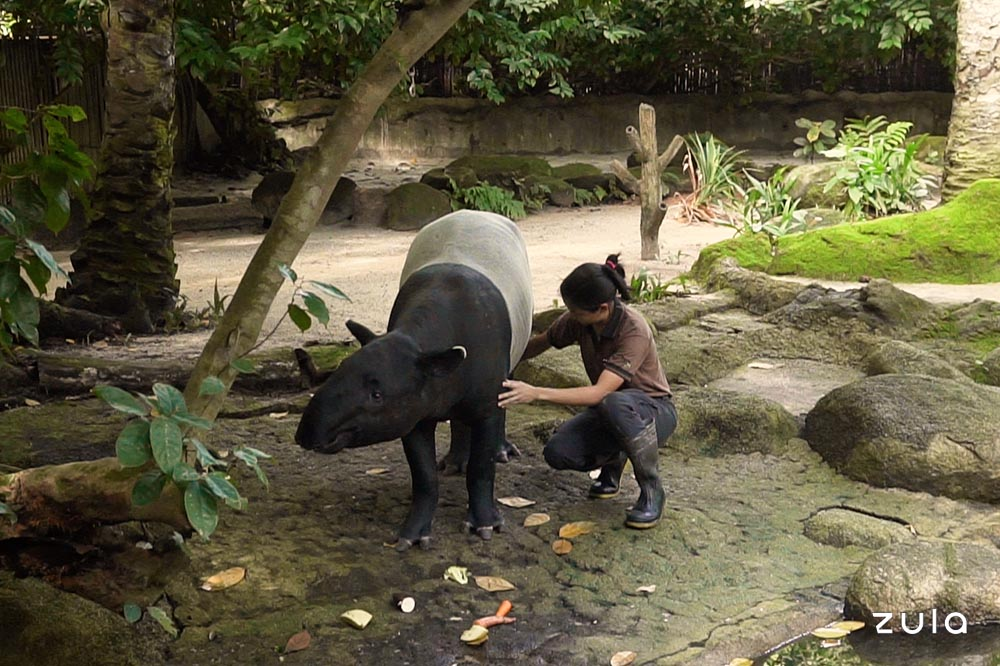
Her story also speaks to the importance of hands-on experience in fields that traditionally emphasize theoretical knowledge. While her academic background is impressive, Ma’s decision to work directly with animals has allowed her to gain practical experience that will serve her well in the future.
As society becomes more focused on the importance of experience over formal education, Ma’s career shift could inspire other young people to explore non-traditional career paths.
Ma Ya’s story is an inspiring example of how personal happiness and fulfillment should be prioritized over the pursuit of material success. By choosing a career that aligns with her passions and values, Ma Ya has not only found a greater sense of peace and health but also created an opportunity to make meaningful contributions to the field of animal science.
Her decision serves as a reminder that career paths don’t always have to follow a linear trajectory and that the most rewarding jobs are often those that bring us closer to the things we truly love.