
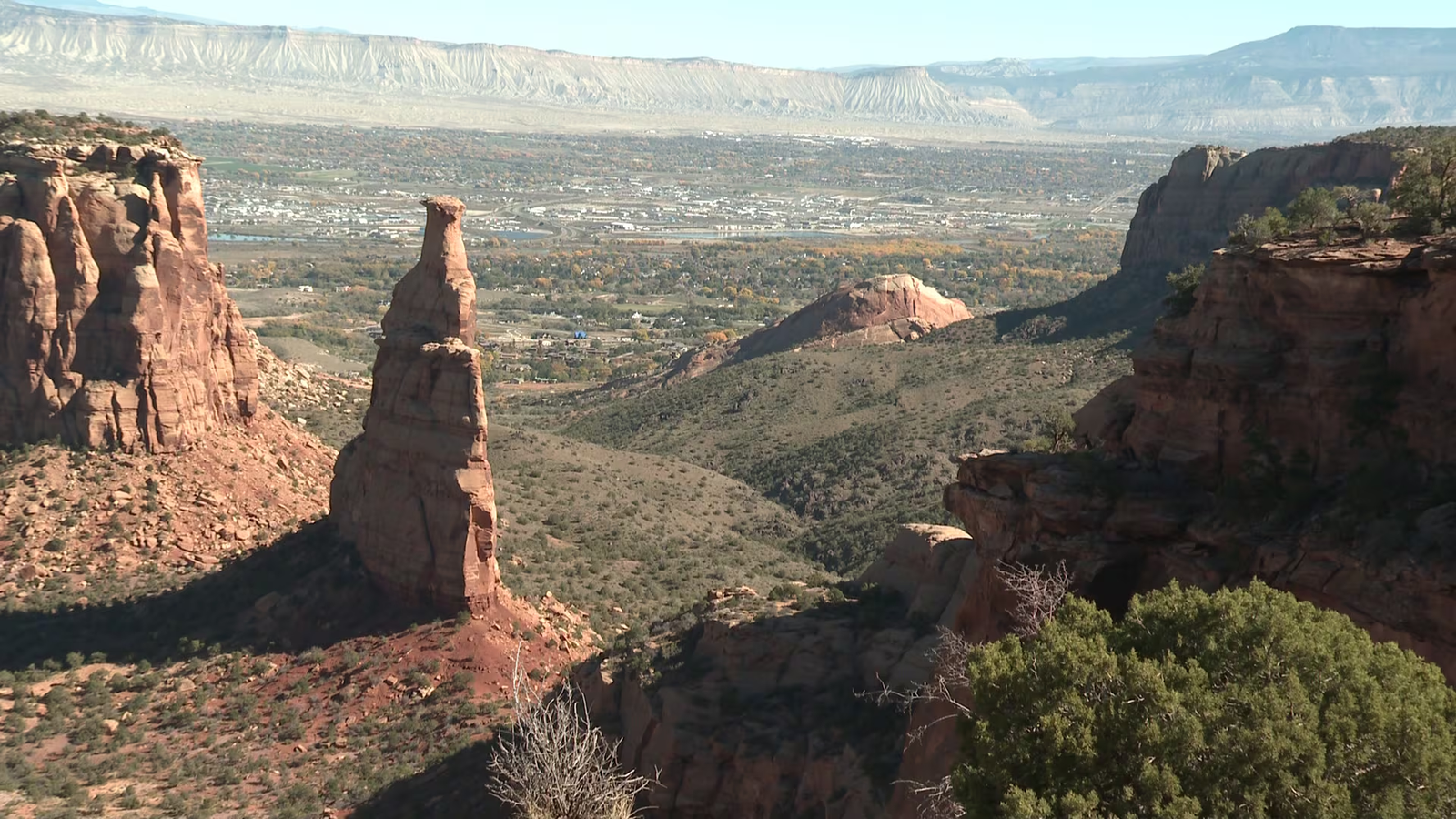
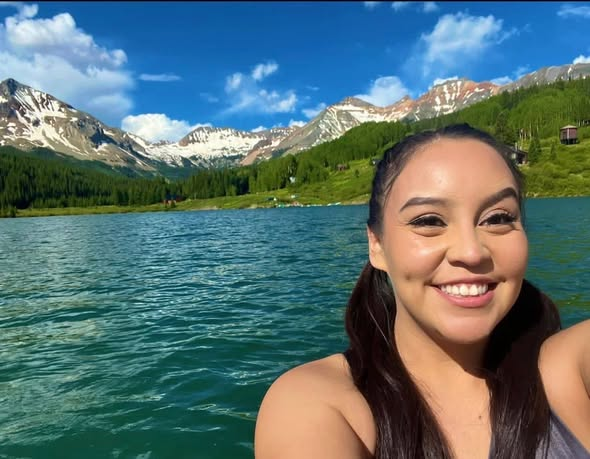
The death of a young hiker at Colorado National Monument has drawn attention to the risks associated with exploring rugged natural landscapes, particularly in areas known for steep cliffs and dramatic terrain. Authorities confirmed that the victim was 26-year-old Taryn Wilson of Grand Junction, whose fatal fall occurred while she was hiking near the Window Rock trailhead within the monument. The tragic incident unfolded on Sunday and prompted an immediate response from emergency personnel and local authorities. According to officials, Wilson fell from a cliff edge while hiking, and she was pronounced dead at the scene.
The Mesa County Coroner’s Office later confirmed Wilson’s identity and determined that her death resulted from injuries sustained during the fall. The confirmation brought closure to the identification process but also underscored the unpredictable dangers that can arise in natural settings that attract outdoor enthusiasts from across the region. Colorado National Monument, known for its striking rock formations and scenic trails, is a popular destination for hikers, cyclists, and sightseers, yet the same features that make the area visually stunning can also present serious hazards when safety precautions are not strictly followed.
Local authorities continue to encourage hikers and visitors to remain aware of their surroundings, especially in areas where cliffs, steep drop-offs, and narrow trails are present. The investigation into the incident focused primarily on the circumstances surrounding the fall, and officials indicated that the fatal injuries were consistent with an accidental fall rather than any other cause. As the community in Grand Junction processes the loss of one of its residents, the tragedy also serves as a reminder of the importance of caution when exploring rugged terrain.
Fatal Fall at Colorado National Monument
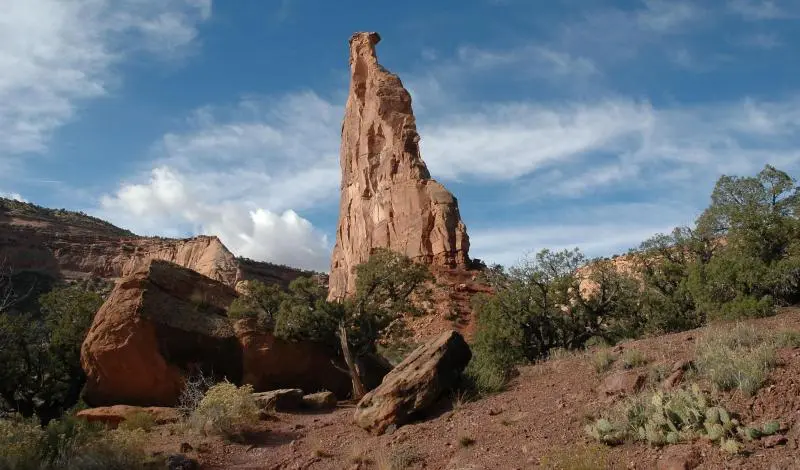
The fatal fall occurred in Colorado National Monument, a vast protected area located just outside the city of Grand Junction in western Colorado. The monument is well known for its towering sandstone cliffs, deep canyons, and scenic overlooks that provide sweeping views of the surrounding landscape. While these features attract thousands of visitors each year, they also present potential risks, particularly near cliff edges and elevated viewpoints.
Authorities said Taryn Wilson had been hiking near the Window Rock trailhead when the fall occurred. The exact circumstances leading to the fall were not detailed by officials, but the location is known for its steep terrain and dramatic cliffside views. In many parts of the monument, trails run close to edges where the terrain drops sharply into canyon areas below.
Emergency responders arrived at the scene after the fall was reported, but Taryn Wilson was pronounced dead at the location due to the severity of her injuries. According to the Mesa County Coroner’s Office, an autopsy later confirmed that her death was directly related to the injuries sustained in the fall.
Colorado National Monument, which covers more than 20,000 acres, is part of the National Park Service system and is widely visited by both locals and tourists. The monument includes numerous hiking trails ranging from short scenic walks to longer and more challenging routes through canyon landscapes. While the trails are maintained and marked, the rugged terrain means that hikers must remain alert and take appropriate precautions when navigating steep or exposed areas.
Park officials and safety experts often emphasize the importance of staying on designated trails and maintaining a safe distance from cliff edges. Loose rocks, uneven surfaces, and sudden elevation changes can increase the risk of falls, particularly in areas where barriers are not present. Weather conditions, wind, and limited footing can also contribute to hazardous situations.
Read : Female Hiker Stung by Fire Ants on West Fork Cold Spring Trail
The death of a visitor in such an environment is rare but not unprecedented. National parks and monuments across the United States occasionally report accidents involving falls from heights, particularly in locations where scenic viewpoints are close to cliffs. These incidents often prompt renewed reminders from authorities about the importance of situational awareness and adherence to safety guidelines when exploring natural landscapes.
Read : India’s Mango and Dhania Chutneys Included in World’s Best Dips List
For residents of Grand Junction, Colorado National Monument is a prominent natural landmark and a frequent destination for outdoor recreation. The proximity of the monument to the city means that many locals visit regularly for hiking, photography, and sightseeing. The tragic death of a local resident therefore resonates strongly within the community.
Authorities Warn Residents About Scam Emails
In a separate matter affecting Grand Junction residents, local officials have issued a warning about fraudulent emails targeting individuals involved in development review applications. The Grand Junction Police Department and the City of Grand Junction released a notice cautioning residents and businesses about scam messages that attempt to impersonate official city communications.
According to authorities, the fraudulent emails appear to be directed at individuals who are involved in the permitting or development review process with the city. The messages often request payments related to permits and may ask recipients to send money through wire transfers or cryptocurrency. In some cases, the emails also attempt to obtain personal information or direct recipients to click on suspicious links.
Officials explained that legitimate communications from the City of Grand Junction will always originate from an official email address ending with the domain associated with the city government. Scam emails, by contrast, typically use addresses ending with unrelated domains such as “@usa.com,” which is a common indicator that the message may not be authentic.
The fraudulent messages frequently attempt to create a sense of urgency, warning recipients that delays or complications could occur in their permit approval process if payment is not made immediately. Authorities say this tactic is commonly used in scams to pressure individuals into acting quickly before verifying the legitimacy of the request. City officials advised anyone who receives such an email not to open attachments, click on links, or provide personal information in response.
Instead, residents who are uncertain about the authenticity of a communication are encouraged to contact the city directly through official channels to verify the message. Cyber scams targeting local governments and development processes have become increasingly common in recent years. Criminals often monitor public records or permit applications to identify individuals who may be expecting official communications, making their messages appear more convincing.
Local authorities emphasized that awareness is one of the most effective ways to prevent residents from falling victim to such schemes. By verifying the sender’s email address and contacting official offices when in doubt, residents can avoid financial losses or identity theft related to fraudulent communications. The warning from city officials highlights the ongoing challenge that municipalities face in protecting residents and businesses from increasingly sophisticated cyber fraud attempts. Public awareness campaigns and direct advisories from law enforcement agencies are often used to help communities recognize common scam tactics.
Man Charged With Drug Distribution After Traffic Investigation
In another development reported by local authorities, a 50-year-old Grand Junction man is facing multiple charges after deputies discovered fentanyl and methamphetamine during a search connected to an outstanding arrest warrant. The Mesa County Sheriff’s Office identified the man as Abel Nunez, who has been charged with possession with intent to distribute fentanyl and possession with intent to distribute methamphetamine.
Read : 51-Year-Old Man Charged with Assault & Aggravated Assault of Solo Hiker Sarah Gibbs
According to law enforcement officials, deputies observed Nunez outside a residence located in the 300 block of Clarinet Lane. Authorities were aware that Nunez had an outstanding warrant for his arrest, which prompted them to approach and detain him. During a search of Nunez, deputies reportedly located a bag containing a crystalline substance on his person. Investigators then conducted a subsequent search of a vehicle belonging to him, where they discovered additional quantities of illegal substances along with items that authorities said were consistent with drug distribution.
The Mesa County Sheriff’s Office stated that the search of the vehicle resulted in the discovery of more than 82 grams of fentanyl powder and over 12 grams of methamphetamine. Officials also reported finding materials commonly associated with the packaging or distribution of narcotics. Fentanyl, a powerful synthetic opioid, has become a major focus of law enforcement agencies across the United States due to its high potency and connection to overdose deaths. Even small quantities can pose significant risks, and the drug is frequently linked to trafficking operations and illicit distribution networks.
Methamphetamine remains another widely encountered substance in narcotics investigations, often associated with illegal manufacturing and distribution activities. Authorities frequently target individuals suspected of possessing large quantities of such drugs because the amounts can indicate an intent to sell or distribute them rather than personal use. The charges filed against Nunez reflect the quantities of substances allegedly found during the investigation. Possession with intent to distribute is considered a serious criminal offense and can carry significant legal penalties if a conviction occurs.
Law enforcement agencies in Mesa County have been working to address drug distribution within the region, focusing on investigations that identify individuals involved in trafficking operations or large-scale possession of illegal substances. The case involving Nunez forms part of broader efforts by local authorities to disrupt the movement of dangerous narcotics within the community.
Officials continue to encourage residents to report suspicious activity that may be related to drug distribution or other criminal behavior. Community cooperation, combined with targeted law enforcement operations, is often cited as a key factor in identifying and addressing drug-related crimes.
The developments involving the fatal fall at Colorado National Monument, the scam warning issued by city officials, and the arrest connected to drug distribution collectively highlight a range of issues currently affecting the Grand Junction area. While the tragic loss of a young resident has drawn particular attention, local authorities continue to address both public safety concerns and criminal activity within the community.
**heroup**
HeroUP is a premium mens wellness formula designed to support sustained energy, physical stamina, and everyday confidence.