
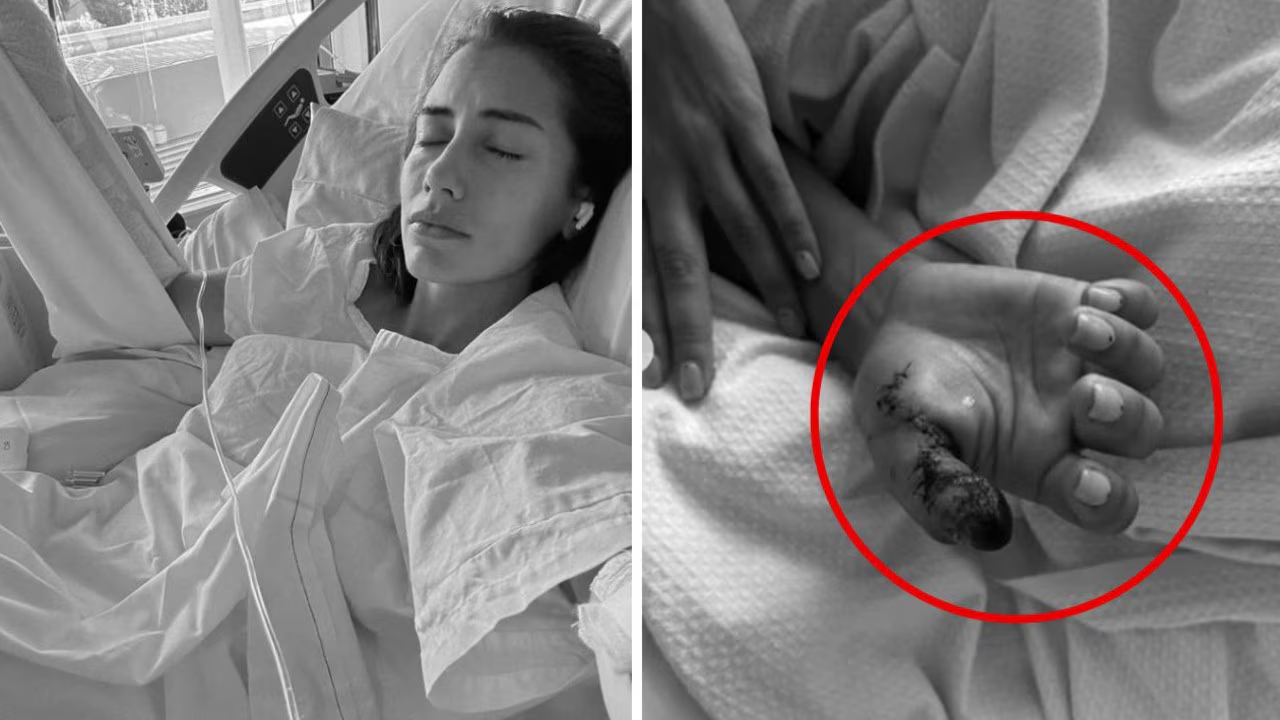
A routine manicure meant as a simple Valentine’s Day treat turned into a life-altering medical emergency for 27-year-old Sydney resident Claudia Ruffin, who developed a severe Strep infection that rapidly escalated into sepsis. Within hours of her appointment at a Double Bay salon, Ruffin went from enjoying a relaxing self-care afternoon to fighting for her life as symptoms worsened with alarming speed.
What followed was a months-long ordeal involving six surgeries, 48 stitches, a skin graft, the partial amputation of her thumb, and extensive rehabilitation. Her case has since gained widespread attention, raising urgent questions about hygiene standards in nail salons and the risks associated with skin-penetrating cosmetic treatments. Claudia Ruffin’s detailed social media posts and medical updates have offered a rare, first-hand account of how quickly sepsis can develop from an everyday service many people undergo without worrying about complications.
The Sudden Onset of Infection After a Routine Manicure
The ordeal began immediately after Claudia Ruffin’s Valentine’s Day manicure in early 2024, a visit she described as routine and uneventful. However, only hours later, she began experiencing symptoms that did not initially seem connected to the cosmetic treatment. Her heart raced uncontrollably, her vision became blurry, and her extremities started to feel numb. Concerned by these unusual signs and worsening discomfort, a friend rushed her to Sydney’s St Vincent’s Hospital for evaluation.
Although doctors kept her overnight for monitoring due to concerning blood test results, there was initially no clear evidence pointing toward a severe hand infection. By the next morning, the condition of her thumb had changed dramatically. What began as mild swelling quickly escalated to a deeper, more pronounced discoloration. Medical staff observed red tracking lines extending from her thumb up her arm and toward her neck—a strong indicator of lymphangitis, a serious bacterial infection spreading through the lymphatic system.
Within an hour, her thumb had turned black as the infection began destroying tissue at a rapid pace. This sudden deterioration prompted immediate emergency surgery to manage the spreading infection and prevent systemic complications. Claudia Ruffin later explained that the infection originated from the manicure—specifically from a Strep bacterium introduced during the procedure.
Read : Livie Rose Henderson Loses DoorDash Job Over Viral Video of Alleged Delivery Assault
Skin-penetrating treatments such as cuticle trimming and nail-bed cleaning, when done with improperly sterilised tools, can provide an entry point for harmful microorganisms. In her case, the bacteria progressed so quickly that even early medical intervention could not fully prevent severe tissue damage. When doctors realised the infection had advanced into sepsis, an extreme and often fatal immune response, they shifted from localised treatment to systemic emergency care.
A Prolonged Medical Battle Involving Multiple Surgeries
What began as emergency surgery soon turned into an extended fight for survival and recovery. Claudia Ruffin spent a month in the hospital as doctors attempted to control the infection, manage necrotic tissue, and prevent further complications. Over several weeks, she underwent six separate surgeries designed to remove dead tissue, stabilise the affected area, and reconstruct her thumb. Surgeons administered 48 stitches across these procedures, and eventually, she required a skin graft to replace damaged tissue.
Despite aggressive intervention, doctors were forced to amputate part of her thumb down to the nail bed. A plastic surgeon later reconstructed the remaining area, but Claudia Ruffin has since explained that she still struggles with functionality and sensation. She has limited movement, persistent numbness, and reduced strength—lasting effects that significantly impact her everyday life.
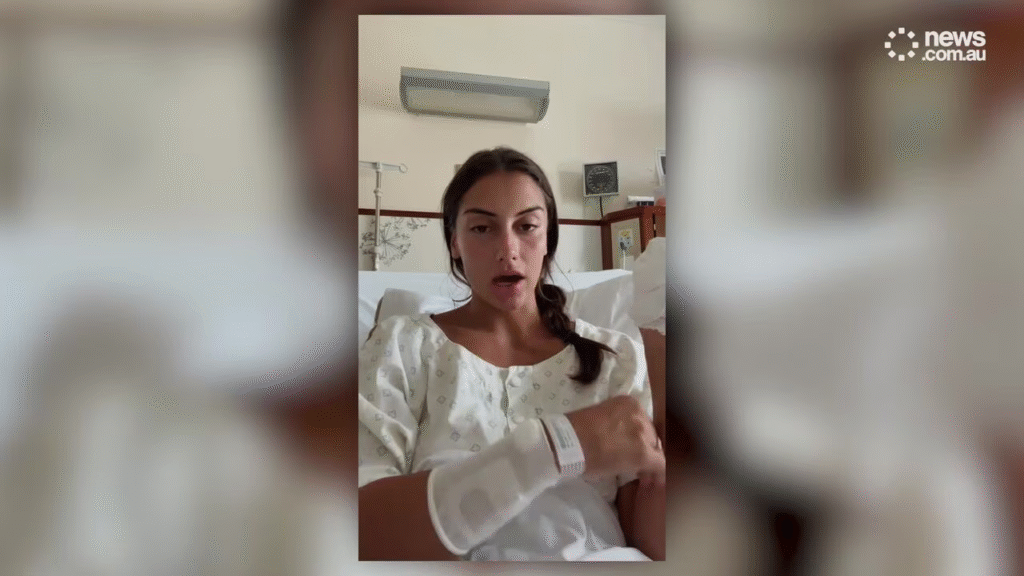
Throughout her recovery, she shared updates on social media to document the physical and emotional challenges she faced. In one of her posts, she described the experience as “hell,” noting that over just 13 days she was bedridden, receiving intravenous antibiotics while enduring repeated surgeries.
Her case has resonated widely because of the stark contrast between the simplicity of the initial manicure and the life-altering consequences that followed. Patients and health professionals alike have used her story as a reminder of how quickly sepsis can develop when infections go undetected or are introduced through minor injuries.
Raising Awareness About Salon Hygiene and Sepsis Risks
Following a year of recovery, therapy, and medical appointments, Claudia Ruffin has become an outspoken advocate for awareness about sepsis and proper hygiene practices in personal care establishments. She emphasises that her experience, though extreme, highlights a risk that many salon-goers may be unaware of.
Read : Australian Senator Pauline Hanson Faces Backlash for Wearing Burqa in Parliament
Nail technicians often perform treatments involving sharp tools, cuticle removal, or micro-abrasions that can break the skin’s surface. According to Health NSW guidelines, such procedures require strict infection-control protocols, including sterilising equipment between clients, sanitising work surfaces, and ensuring that any tool used to penetrate or scrape the skin is hygienically maintained.
Claudia Ruffin has encouraged clients to educate themselves before choosing a salon by checking certifications, observing hygiene practices, and asking questions when necessary. She notes that many people—herself included—assume that salons follow consistent safety protocols, but standards can vary widely. While most salons do maintain appropriate procedures, even small lapses can introduce bacteria that lead to serious complications.
Her case has also brought renewed attention to the dangers of sepsis, a life-threatening condition that develops when the body overreacts to infection. Sepsis can progress rapidly and become fatal within hours if left untreated. Symptoms often include fever, chills, rapid breathing, confusion, low blood pressure, and extreme discomfort. Because early symptoms may resemble those of less severe conditions, timely medical attention is crucial. Claudia Ruffin credits her friend’s quick decision to take her to the hospital with helping her receive lifesaving care before the infection spread further.
Although she continues to recover, Claudia Ruffin has turned her experience into a cautionary message for those who regularly receive manicures or other beauty treatments involving skin contact or penetration. Her story serves as a reminder that even routine grooming appointments can carry medical risk if proper hygiene protocols are not followed or if early signs of infection are overlooked.
Just discovered betrupeesgame and I’m hooked! The games are actually pretty fun, and the payouts are decent too. Good way to kill some time and maybe win some money doing it!