
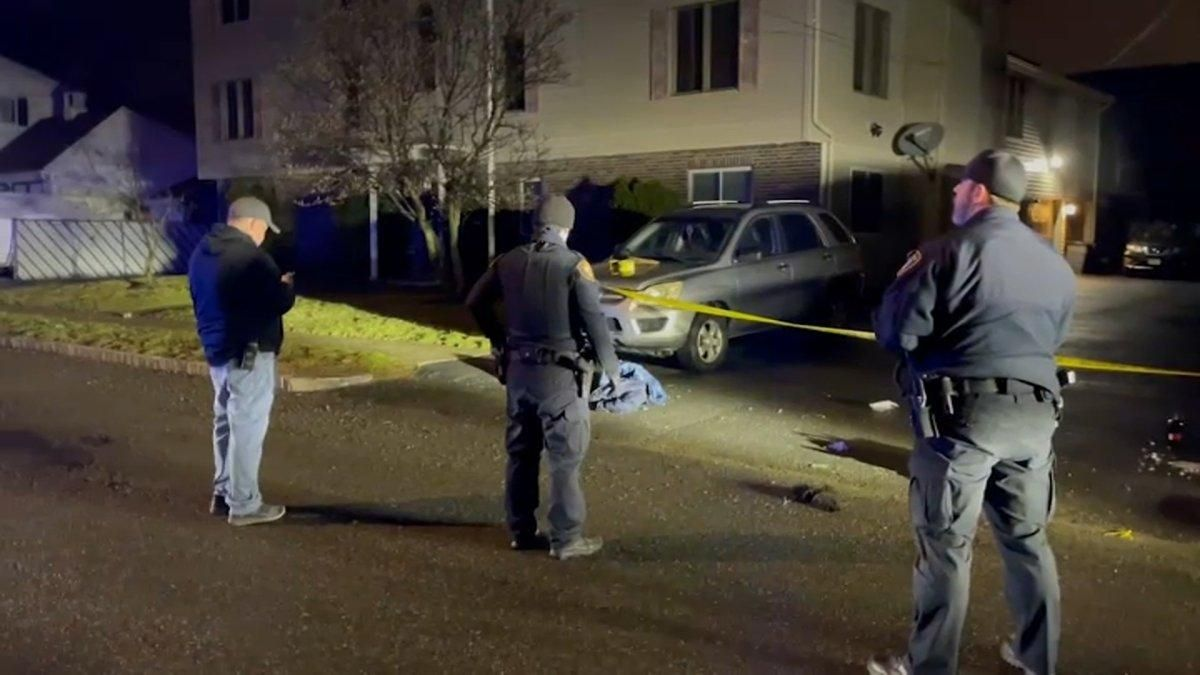
The tragic stabbing of a 27-year-old man on the streets of Livry-Gargan, a suburb of Paris, has sent shockwaves through the local community and beyond.
The incident, which occurred on the evening of February 3, 2025, has raised serious concerns about urban safety, violent crime, and the effectiveness of law enforcement in preventing such tragedies. As details continue to emerge, the circumstances surrounding the attack reveal a chilling episode of brutality that demands urgent attention.
The Brutal Attack and Immediate Aftermath
At approximately 8:15 PM, the quiet routine of boulevard Jean-Jaurès was shattered when an act of extreme violence unfolded in plain sight. The victim, a 27-year-old man, was brutally stabbed multiple times, collapsing on the roadway as horrified witnesses looked on.
The attack was caught on CCTV cameras, capturing the sheer ferocity of the incident. Some bystanders even recorded the aftermath on their mobile phones, spreading the horrifying scene across social media platforms.
Emergency services arrived swiftly at the scene, responding to reports of a grievously injured man lying unresponsive on the street. Despite their best efforts to revive him, he was declared dead shortly after 9 PM. The nature of his injuries, combined with the apparent intent behind the assault, left no doubt that this was a targeted and deliberate act of violence.
Read : Info or Warning? PIA’s ‘Paris We’re Coming’ Ad Sparks Outrage
Meanwhile, panic spread through the neighborhood as residents and passersby tried to process what had just happened. The brutality of the crime, occurring so publicly and without immediate intervention, has left many questioning the security measures in place to protect civilians from such incidents.
The Arrest of the Suspect and Ongoing Investigation
Not long after the attack, police officers tracked down the primary suspect, a 39-year-old man, near the alley of Chartres, just a few hundred meters from the crime scene. At the time of his arrest, he was receiving medical attention from firefighters, though the nature of his injuries has not been disclosed.
The police also recovered two weapons—a knife and a machete—found in close proximity to the suspect. The presence of these weapons suggests a level of premeditation, though investigators are still piecing together the motive behind the attack.
Eyewitness accounts describe the suspect as calm and unhurried in his escape, walking away from the crime scene rather than fleeing in a panic. This behavior has led investigators to consider the possibility of underlying psychological factors or prior violent tendencies that may have played a role in the attack.
🇫🇷|‼️A 27-year-old man was stabbed to death in Livry-Gargan, near Paris — West’s crime-ridden reality show.
— 아스트로 _ 세이토🔻🫶💚 (@angels_bac58190) February 9, 2025
Wtf….. Terrible pic.twitter.com/eEyL02rN5s
Officials have now launched a murder inquiry, which has been assigned to the Seine-Saint-Denis departmental police judicial service (SDPJ 93). Their primary focus is to determine what prompted the altercation and whether the suspect had any prior connection to the victim.
Authorities are also working closely with the public prosecutor’s office to examine the suspect’s criminal history and mental health background.
If he has prior records of violent offenses or psychiatric conditions, it could offer some explanation for his actions. However, until further details emerge, the exact nature of the relationship between the suspect and the victim remains unclear.
Public Outcry and the Broader Implications for Safety
The violent murder has reignited debates over public safety in urban areas, particularly in suburbs like Livry-Gargan, where crime rates have fluctuated in recent years. Many residents are now expressing fear and frustration, wondering how such a horrific crime could unfold in a relatively busy area without immediate intervention.
One of the most troubling aspects of the case is how openly the crime was committed. That the suspect had the confidence to carry out such an act in a public space suggests a disturbing level of disregard for law enforcement and consequences.
The availability of weapons like knives and machetes further raises concerns about the ease with which individuals can arm themselves for violent confrontations.
Local officials are facing mounting pressure to address these concerns and implement stronger safety measures. Some have called for increased police presence in high-risk areas, better street surveillance, and stricter regulations on weapon possession.
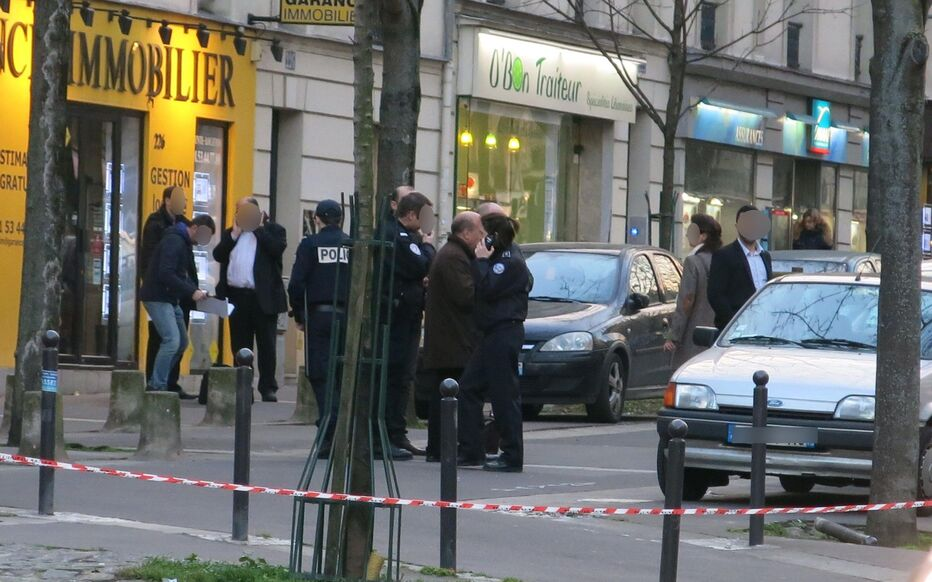
Others argue that addressing underlying social issues—such as unemployment, mental health crises, and gang-related violence—could help reduce the likelihood of such incidents occurring in the future.
In the wake of the attack, the community is also grappling with the psychological impact of witnessing such brutality. Many residents who were near the crime scene or saw footage of the murder are dealing with shock and distress, underscoring the far-reaching consequences of violent crime beyond just the immediate victims.
As the investigation continues, the family of the victim is left mourning their loss, seeking justice for their loved one. While the suspect has been arrested, the legal proceedings ahead will determine whether he is held accountable and what punishment he will face.
For many, this case is more than just an isolated incident—it is a reflection of the broader safety concerns that cities and suburbs alike must confront in order to protect their residents.
This tragic event serves as a stark reminder of the unpredictable nature of violent crime and the need for continued vigilance in ensuring public security. With an ongoing investigation, the authorities will be expected to provide clear answers and take decisive action to prevent such tragedies from occurring in the future.