

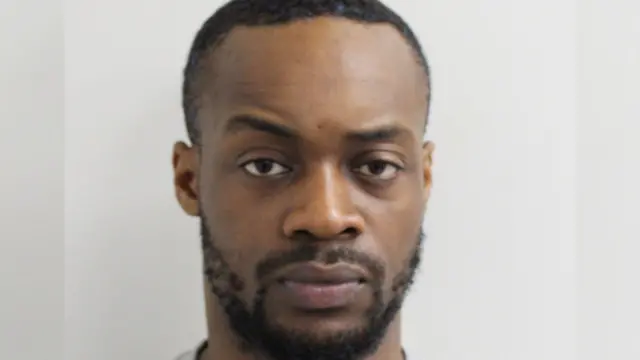
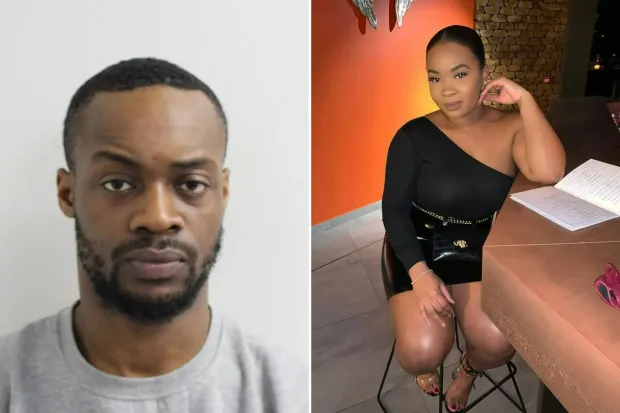
In a tragic and deeply unsettling case that has sparked widespread debate, Gogoa Lois Tape, a 28-year-old man from Hackney, East London, was detained under the Mental Health Act on September 1, 2025, for the manslaughter of his 25-year-old girlfriend, Kennedi Westcarr-Sabaroche.
The incident, which occurred on April 5, 2024, has left the victim’s family devastated and ignited calls for reform in the UK’s justice system. Gogoa Lois Tape, who admitted to manslaughter by reason of diminished responsibility, was sentenced to an indefinite hospital order, a decision that has been met with outrage by the victim’s loved ones, who feel betrayed by a system they believe failed to deliver justice.
The Tragic Incident in Hackney
On the evening of April 5, 2024, Kennedi Westcarr-Sabaroche, a 25-year-old mother and digital marketing professional, was killed in her Vauxhall car in Hackney, East London. According to court proceedings at Inner London Crown Court, Tape lured his girlfriend to Whiston Road under false pretences, claiming he needed a lift to a plumbing job. It was there, at approximately 11:25 PM, that Tape strangled Westcarr-Sabaroche, causing her death by manual compression to the neck. The attack lasted at least eight minutes, during which she was also punched multiple times and sustained wounds consistent with defending herself from a knife attack.
After the killing, Gogoa Lois Tape moved Westcarr-Sabaroche’s body from the driver’s seat to the passenger seat, secured it with a seatbelt, and drove around for nearly two hours. Disturbing CCTV footage shown in court captured Tape casually entering a shop to purchase cigarettes during this time, with Westcarr-Sabaroche’s body still in the car. He also sent a message from her phone to a friend, pretending to be her, in an apparent attempt to delay suspicion. It was not until approximately 6:00 AM on April 6, 2024, that Tape confessed to his brother, stating, “I killed Kennedi, bro.”
His brother then checked the car and reported the incident to the police at 6:42 AM, leading to Tape’s arrest the following day. The investigation, led by Detective Inspector Aytac Necati of the Specialist Crime North team, relied on a combination of CCTV, Automatic Number Plate Recognition (ANPR), and car tracker evidence to establish Tape’s movements.
Read : Kash Patel’s Girlfriend Sues Podcaster Kyle Seraphin for Calling Her ‘Israeli Spy’
The footage confirmed that Gogoa Lois Tape was the last person seen with Westcarr-Sabaroche inside the vehicle, and police concluded that the killing occurred during the eight-minute period when Tape was seen lunging into the car. Despite having access to both his own phone and Westcarr-Sabaroche’s, Tape did not call for emergency services, a fact that further compounded the tragedy.
Read : Shibuya Crossing: The Heartbeat of Tokyo
Westcarr-Sabaroche, described by her family as a “bright and beautiful young woman,” was a devoted mother to the couple’s one-year-old daughter, who was asleep in Tape’s home during the incident. Her involvement with the Prince’s Trust as a digital marketing apprentice at age 16 highlighted her ambition and potential, making her loss all the more devastating. The King, who was head of the apprentice scheme, reportedly sent condolence letters to her family, underscoring the impact of her life and achievements.
Mental Health and Diminished Responsibility
The court’s decision to detain Gogoa Lois Tape under the Mental Health Act rather than impose a prison sentence was based on psychiatric assessments that revealed significant mental health issues. Judge Freya Newbery, presiding over the case, ruled that Tape was an “undiagnosed schizophrenic” at the time of the attack, suffering from “paranoid and persecutory delusions” that substantially impaired his judgment and self-control. These findings led prosecutors to accept Tape’s guilty plea to manslaughter by reason of diminished responsibility, rather than pursuing the original murder charge.
Gogoa Lois Tape’s mental health struggles were well-documented in the years leading up to the incident. Court records indicate that he had been a long-term cannabis user since 2014, despite warnings from mental health professionals in 2023 to abstain due to the drug’s potential to exacerbate his condition.
Tape had a history of psychotic episodes, and his mental health began to deteriorate noticeably from 2023, with increasing paranoia and jealousy. In April 2023, he visited A&E, reporting “dark thoughts” about harming others in the context of self-defense, which had persisted for weeks. By December 2023, Tape told his GP he was no longer experiencing paranoia, but he later admitted to continued cannabis use in the second half of 2023 and early 2024, including during a trip to Amsterdam.
Despite contact with mental health services in 2023, Gogoa Lois Tape failed to attend several follow-up appointments and disregarded advice to stop smoking cannabis. Witnesses reported that he had become increasingly paranoid, accusing Westcarr-Sabaroche of infidelity and even confronting another man to check if she was with him. These behaviors, coupled with his undiagnosed schizophrenia, painted a picture of a man whose mental state had spiraled out of control, culminating in the tragic events of April 2024.
The court heard that Tape’s actions were influenced by his mental condition, but this explanation has done little to assuage the grief and anger of Westcarr-Sabaroche’s family. The decision to issue a hospital order under Section 37 of the Mental Health Act, with a restriction order under Section 41 allowing for indefinite detention, has been a focal point of contention. While the order ensures Tape receives treatment in a secure facility, it lacks the punitive element of a prison sentence, prompting accusations that the justice system prioritizes perpetrators’ mental health over victims’ rights.
A Family’s Outrage and Calls for Reform
The sentencing hearing on September 1, 2025, was an emotionally charged event, with around 40 of Westcarr-Sabaroche’s loved ones present in the courtroom. Some family members walked out when defense statements described Tape as a “loving person” before his mental health declined, a characterization that clashed with their perception of the man who took their daughter, sister, and mother. Linda Westcarr, Kennedi’s mother, delivered a powerful statement outside the court, condemning the justice system as “broken” and demanding an urgent review of Gogoa Lois Tape’s sentence for “undue leniency.”
Linda Westcarr expressed profound devastation, stating, “Although I don’t dismiss mental health and the challenges people face, we still feel justice has not been served.” She criticized the lack of transparency and consultation throughout the legal process, noting that the family felt “dictated to” rather than supported.
Her sentiments were echoed by Kennedi’s sister, Danielle Westcarr-Jourdan, a mental health worker, who argued that the focus on Tape’s mental health had deepened their pain and undermined their pursuit of justice. The family has called for a meeting with the Prime Minister, Home Secretary, Lord Chancellor, and Director of Public Prosecutions to address what they see as systemic failures.
The case has drawn comparisons to other high-profile incidents, such as the 2023 Nottingham stabbings by Valdo Calocane, who also received a hospital order for manslaughter by diminished responsibility. Emma Webber, whose son Barnaby was killed by Calocane, expressed solidarity with Westcarr-Sabaroche’s family, stating, “I stand with Kennedi’s family not just in grief, but in outrage.”
These cases have fueled broader concerns about the handling of domestic homicide cases involving diminished responsibility pleas. Ellie Butt, head of policy at the domestic violence charity Refuge, highlighted a “troubling pattern” of such pleas being accepted, potentially undermining accountability for perpetrators. Advocates, including Julian Hendy of the charity Hundred Families, have pointed out that defendants sentenced to hospital orders can often return to the community on license after five to ten years, raising questions about public safety and deterrence.
The family’s demand for reform aligns with long-standing Law Commission proposals to introduce a three-tier homicide classification system—first-degree murder, second-degree murder, and manslaughter—to provide prosecutors with more flexibility. Chief Inspector Anthony Rogers of His Majesty’s CPS Inspectorate has also recommended these reforms, noting that while the Crown Prosecution Service was correct to accept Tape’s plea, better communication and support for victims’ families are needed.
The tragic death of Kennedi Westcarr-Sabaroche at the hands of Gogoa Lois Tape has left an indelible mark on her family and the Hackney community. The case underscores the complex interplay between mental health, criminal responsibility, and justice, raising difficult questions about how society balances treatment for offenders with accountability for victims.
While Tape’s indefinite detention under the Mental Health Act ensures he receives psychiatric care, the absence of a punitive sentence has left Westcarr-Sabaroche’s family feeling betrayed and silenced. Their fight for justice, coupled with calls for systemic reform, highlights the urgent need for a justice system that better supports victims and addresses the root causes of such tragedies. As the family continues to mourn the loss of a vibrant young woman and mother, their resolve to protect others from similar fates serves as a powerful call to action.