
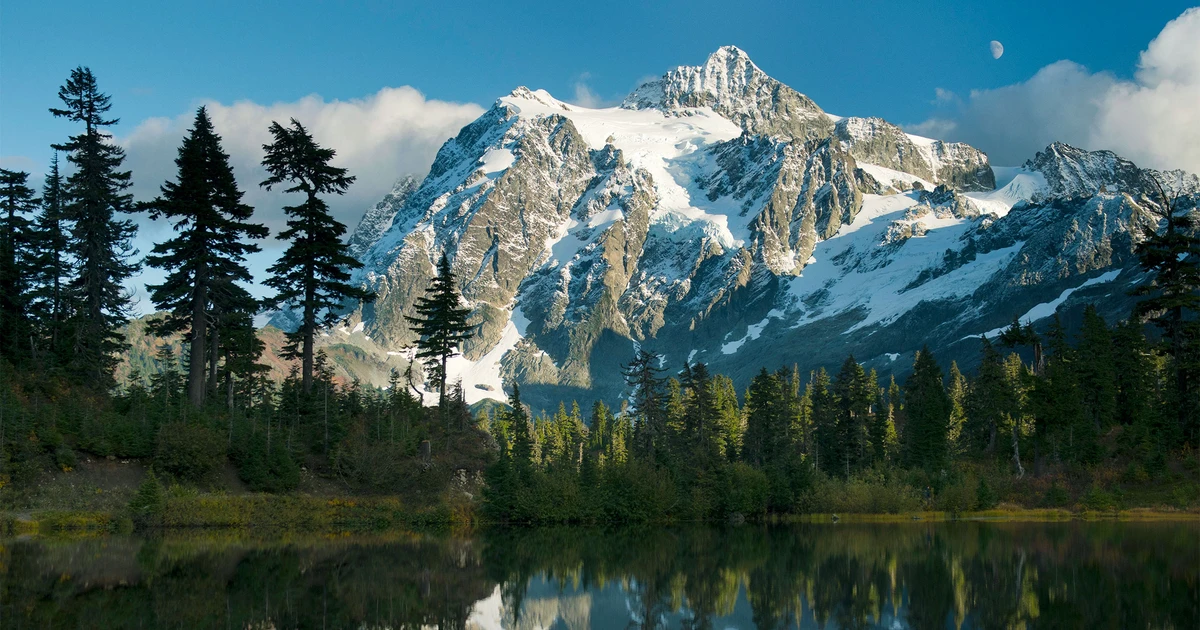
The rugged and often perilous terrain of the North Cascades is a beloved destination for rock climbers, with its jagged peaks and challenging routes attracting experienced climbers from around the world.
However, even the most seasoned adventurers are reminded of the risks inherent in the sport, as an accident on the Early Winters Spires recently claimed the lives of three climbers. Their tragic fall while descending a steep gully in Washington’s North Cascades serves as a stark reminder of how quickly things can go wrong in the wilderness.
This incident, which involved a group of four climbers, ended in a devastating loss of life and a miraculous survival story for one climber. The events that led to the accident and the subsequent search efforts highlight the inherent dangers of climbing in such treacherous conditions, but they also showcase the resilience and survival instincts that can emerge in the face of life-threatening situations.
The Tragic Fall: A Descent Gone Wrong
The group of climbers involved in the accident had been scaling the Early Winters Spires, a popular and challenging climbing route in the North Cascades, located about 160 miles northeast of Seattle.
The spires are known for their jagged peaks, split by clefts that offer both difficulty and reward to those who dare to tackle them. The climbers, aged 36, 47, and 63, had been ascending the route before disaster struck.
According to Okanogan County Undersheriff Dave Yarnell, the group was attempting to descend the gully when tragedy struck. As they were rappelling down the steep gully, the anchor securing their ropes seems to have failed.
This failure caused the climbers to plummet, initially falling about 200 feet into a slanted gulch before tumbling another 200 feet. This fall resulted in the immediate deaths of three members of the group, while the fourth climber, despite suffering internal bleeding and head trauma, somehow managed to survive.
Read : Seattle Mother Beat 14-Year-Old Son to Death with Extension Cord in Anger Over Not Doing His Chores
The climbers had reportedly turned back from their ascent after noticing an approaching storm, which suggests they were already facing challenging weather conditions.
Read : Body of Mountaineer Found Mummified 22 Years After He Went Missing in Peru
The decision to turn around in anticipation of the storm may have saved their lives to some extent, but the failure of the anchor during their descent proved fatal for three of them. It remains unclear exactly why the anchor failed, but it is believed to be linked to an old piton that had been used as an anchor point.
The Survivor’s Incredible Journey
While the loss of three climbers was devastating, the survival of the fourth climber is nothing short of remarkable. Despite suffering significant injuries, including head trauma and internal bleeding, the surviving climber managed to extricate himself from the tangled mess of ropes, helmets, and climbing equipment left behind by the fall.
Alone and severely injured, he faced the daunting task of finding help in one of the most remote and unforgiving regions of Washington state. The survivor’s ability to make it out of the wilderness is a testament to his resilience, resourcefulness, and survival instincts. After freeing himself from the wreckage, he began the long and difficult hike to his car in the dark.
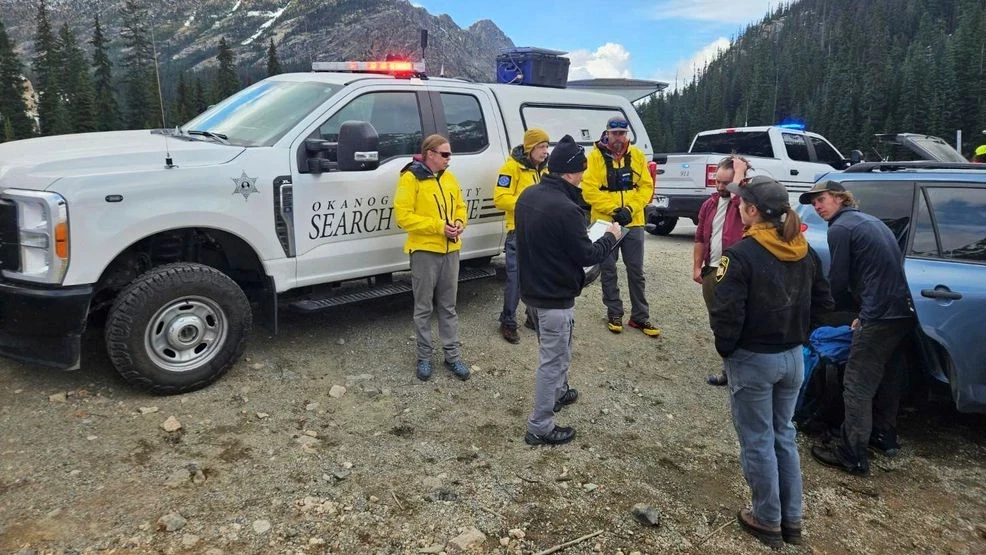
Although he was injured, he managed to navigate the treacherous terrain on foot, covering an unknown distance through the rugged landscape. It is unclear how long the hike took or what conditions the survivor faced, but the fact that he was able to make it to his vehicle is a remarkable feat in itself.
Once he reached his car, the climber drove to a nearby payphone, where he called for help. The phone call ultimately led to a search and rescue operation, which, despite being delayed, ultimately resulted in the recovery of the bodies of the three fallen climbers. The survivor was eventually transported to Seattle for medical treatment, though his condition remains unknown.
The climber’s ability to survive and seek help despite his injuries stands as a testament to human determination and grit. It is a rare and extraordinary occurrence for a person to emerge from such a harrowing situation alive, and his story will undoubtedly be remembered as one of incredible survival.
The Search and Rescue Operation
After the climber was able to reach out for help, a search and rescue team was deployed to the site of the accident. According to Cristina Woodworth, the leader of the sheriff’s search and rescue team, the process of locating the site was complicated by the challenging terrain.
A three-person search and rescue team used coordinates from a device the climbers had been carrying, which had been shared by a friend of the group. The coordinates helped narrow down the search area, but finding the site itself was still a daunting task.
Once the rescue team reached the location, they called in a helicopter to remove the bodies of the fallen climbers. Due to the rough and steep terrain, the bodies had to be extracted one at a time. This process took several hours, and the team faced additional challenges as they recovered the equipment left behind by the climbers.
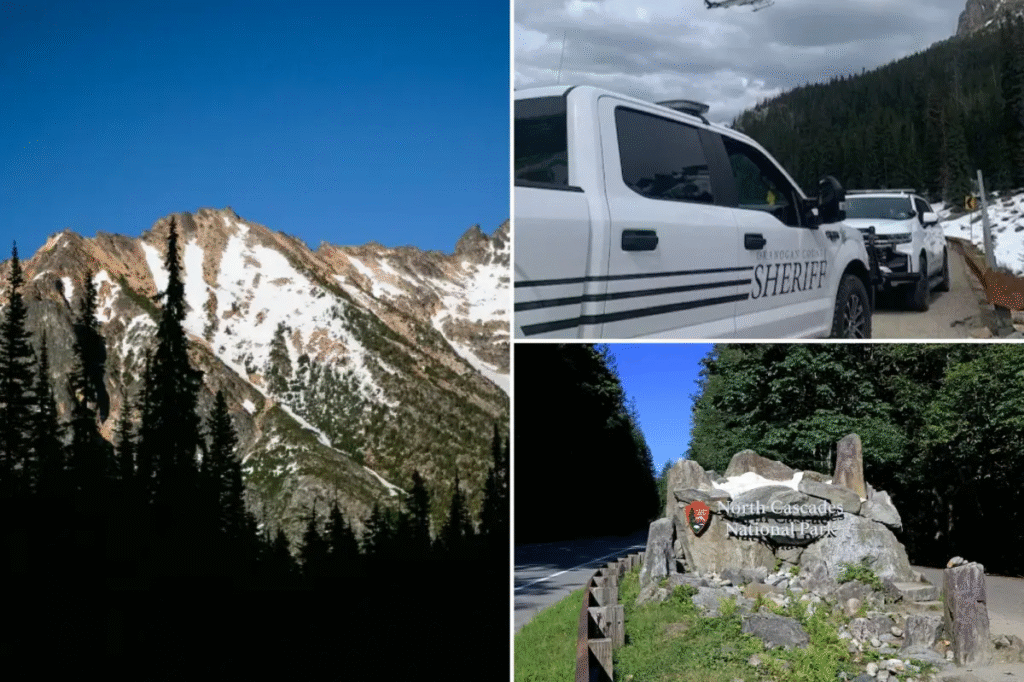
Among the recovered equipment, rescuers found a piton still clipped into the climbers’ ropes. Pitons are commonly used in climbing as anchors, driven into cracks in rock or ice to secure ropes. The piton recovered from the scene was found to be old and weathered, suggesting it may have been in place for some time.
This raised suspicions that the piton could have been the cause of the rope failure. As pitons age and weather, they can become less secure, making them more likely to fail under the weight of a climber.
The investigation into the exact cause of the fall is still ongoing. While the old piton may have played a role in the accident, it is unclear whether the weather conditions, the climbing route, or other factors contributed to the tragedy. Investigators are also hoping to gather more information from the surviving climber, whose account could help shed light on what led to the fatal fall.
Reflections on Climbing in the North Cascades
The North Cascades are known for their rugged beauty and challenging terrain, attracting climbers and adventurers seeking both thrills and solitude. However, the harshness of the landscape also means that accidents are an inherent risk of the sport.
While climbers take great care to prepare for their expeditions, the unpredictable nature of the environment – with its weather patterns, changing conditions, and complex terrain – means that even the most experienced climbers can be caught off guard.
This incident serves as a reminder of the dangers faced by those who take to the mountains, particularly in areas like the North Cascades, where terrain can shift rapidly with changing weather. Climbers must be constantly aware of their surroundings, their equipment, and the conditions they are climbing in, as a single misstep or failure of equipment can have life-threatening consequences.
Despite the tragedy, the climbers’ story also highlights the incredible determination and survival instincts that can emerge in extreme situations. The surviving climber’s ability to navigate the difficult terrain and seek help after such a traumatic event is a testament to the strength of the human spirit. While the fall was a tragic loss, the survivor’s remarkable journey and the efforts of the search and rescue team will be remembered as part of this harrowing tale.
The story of the four climbers in the North Cascades is a powerful reminder of the risks that come with adventure in the wild. It underscores the importance of preparation, caution, and the resilience needed to survive in the most unforgiving environments. As climbers continue to scale the peaks of the North Cascades, they will undoubtedly carry the memory of this tragic accident with them, reminding them of the fine line between triumph and tragedy in the mountains.