

Chinese authorities have renewed urgent warnings against hiking the Aotai Line, a perilous mountain route in northwest China that has long been officially closed to the public, after three hikers died during an unauthorised crossing earlier this month. The incident, which involved five individuals attempting to traverse the trail in Shaanxi province, has once again drawn national attention to the dangers of illegal adventure tourism, the limits of emergency rescue in extreme terrain, and the challenges authorities face in enforcing bans amid a booming outdoor recreation culture.
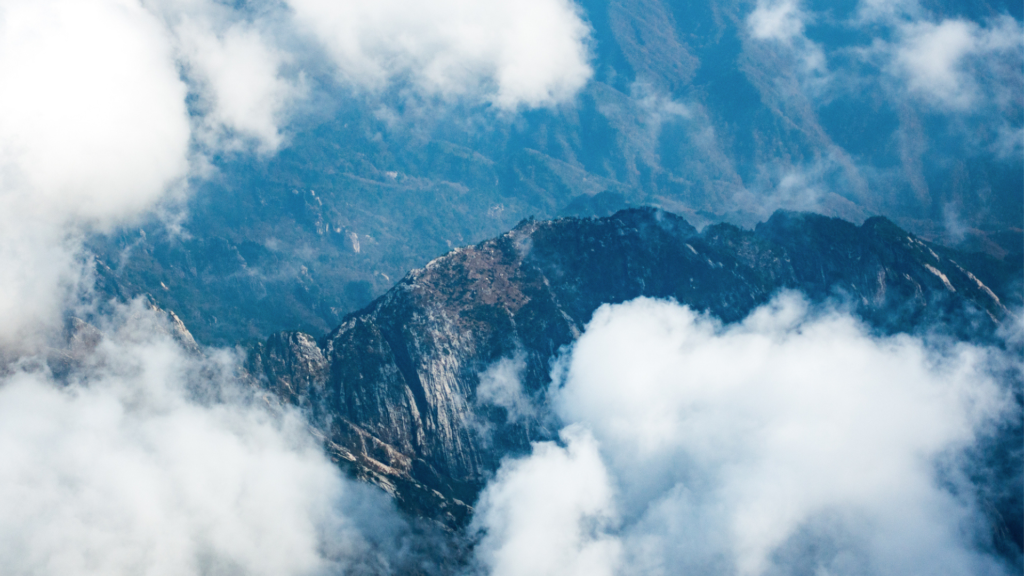
The Aotai Line connects Mount Taibai, the highest peak in the Qinling mountain range at 3,767 metres, with Mount Ao, which rises to 3,476 metres. Often described by Chinese media as the country’s most dangerous hiking route, the trail cuts across remote, high-altitude terrain marked by sudden weather changes, steep ridges, cliffs, and vast stretches without human habitation. Despite a ban imposed in 2018 and repeated official warnings, hikers continue to attempt the route, sometimes encouraged by unlicensed guides and online promotions that downplay the risks.
The latest tragedy unfolded in the early hours of January 2, when five hikers illegally entered the restricted zone. Within days, four members of the group were reported missing. A government-organised rescue operation eventually located them, confirming that three had died, including a 19-year-old, while one survivor was rescued. The incident has reignited debate over personal responsibility, public safety, and whether rescue operations should be mounted for those who knowingly violate clear prohibitions.
A Deadly Route Long Closed to the Public
The Aotai Line’s reputation as an extreme and unforgiving route is well established. Unlike regulated hiking trails that offer marked paths, shelters, and emergency access points, the Aotai Line traverses a largely untouched section of the Qinling mountains. Hikers attempting the full route must cross at least 17 peaks above 3,000 metres, navigating forests, scrubland, alpine grasslands, rocky outcrops, and exposed ridgelines.
Even under favourable conditions, the journey typically takes about a week, demanding advanced mountaineering skills, physical endurance, and the ability to cope with isolation and rapidly changing weather. Chinese media reported that the group involved in the recent incident may have been attempting a shortened, one-day version of the hike, a variation often advertised online as more manageable. However, authorities and experienced hikers have repeatedly warned that no version of the Aotai Line can be considered safe.
Weather in the Qinling range can deteriorate with little warning, bringing dense fog, heavy snow, and plunging temperatures even outside the winter season. Hypothermia, disorientation, and falls are among the most common causes of death. According to official accounts, the hikers encountered heavy fog and snow, conditions that significantly reduced visibility and increased the risk of exposure.
One of the victims reportedly fell from a cliff, while others succumbed to hypothermia. Rescuers faced immense challenges locating the group, partly because the hikers had switched their mobile phones to flight mode at the request of their guide, allegedly to avoid being tracked while inside the restricted area. This decision prevented them from sending timely distress signals and complicated efforts by police and rescue teams to pinpoint their location.
The Aotai Line was formally banned in 2018 by the Taibai Mountain Nature Reserve administration, with support from multiple local authorities. The decision was based on both environmental protection concerns and a growing toll of accidents and fatalities. Data released that year by the Chinese Mountaineering Association showed that between 2002 and 2018, at least 41 climbers were involved in emergencies on the route, and 14 people lost their lives.
Read : Safari Park Visitor Throws Plastic Bag in Hippo’s Mouth in Indonesia: Video Sparks Outrage
Despite the ban, reports suggest that at least 12 additional deaths occurred between 2018 and 2024, underscoring the difficulty of enforcing restrictions in remote areas. In response to the latest deaths, the mountaineering management centre of the General Administration of Sport reiterated that unauthorised hiking traverses on the Aotai Line are “strictly forbidden.” The statement emphasised that the trail remains closed and warned that violations not only endanger hikers but also place rescuers at significant risk.
Rescue Efforts, Accountability, and Public Debate
The rescue operation following the January incident involved coordinated efforts by local government agencies and trained rescue personnel. Such missions are complex, dangerous, and resource-intensive, often requiring teams to operate in extreme weather and unstable terrain for extended periods. Rescuers themselves face the risk of injury or death, a reality that has fueled public debate in China about whether emergency services should be deployed for individuals who knowingly violate bans.
Comments on social media following the incident revealed a sharp divide in public opinion. Some users expressed sympathy for the victims and their families, arguing that rescue remains a humanitarian obligation regardless of the circumstances. Others took a harder stance, calling on authorities to abandon rescue efforts for stranded hikers on the Aotai Line, contending that such missions unnecessarily endanger rescuers and divert public resources.
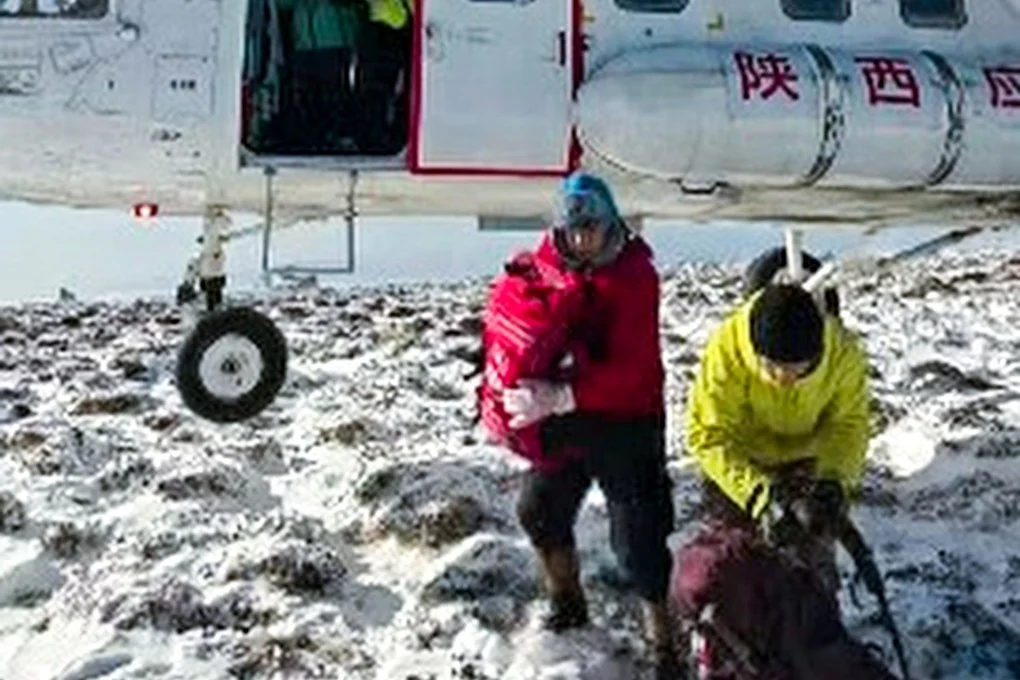
Rescuer Tang Xinlong, interviewed by China’s national emergency broadcasting centre, highlighted how the hikers’ actions complicated the operation. He explained that switching phones to flight mode severely limited the ability of authorities to track the group or receive emergency signals. By the time the rescue team reached the area, conditions had worsened, and it was too late to save three of the hikers.
Tang’s account underscored a recurring theme in past Aotai Line incidents: decisions made by hikers to evade monitoring or underestimate risks often have fatal consequences. Legal and regulatory accountability has also come under scrutiny. Several Chinese media outlets reported that some travel agencies and guides continue to promote the Aotai Line trek illegally on social media, claiming they can safely lead groups across the route.
Read : Brooke Taylor Schinault Convicted for AI-Generated Rape Story Using ChatGPT Image of Homeless Man
These promotions often target young adventure seekers, framing the hike as a test of courage or an elite outdoor experience. Authorities have pledged to crack down on such activities, but enforcement remains challenging due to the decentralised nature of online platforms and the difficulty of monitoring remote mountain access points.
Veteran hiker Yang Yang, interviewed by Chinese media, offered a stark comparison, stating that the Aotai Line is “even more perilous” than trekking routes on Mount Everest. While Everest is far higher, Yang noted that its popular routes are heavily regulated, supported by established infrastructure, and monitored by authorities. In contrast, the Aotai Line offers none of these safeguards, leaving hikers entirely dependent on their own judgment in an environment that can quickly turn lethal.
Adventure Tourism and the Limits of Regulation
The tragedy on the Aotai Line has occurred against the backdrop of a rapidly expanding outdoor adventure culture in China. According to a white paper released by the China Adventure Association, the country had an estimated 350 million adventure hobbyists as of 2024, with the number projected to rise to 410 million by next year. Activities such as hiking, trail running, mountaineering, and backcountry exploration have surged in popularity, driven by rising incomes, social media influence, and a growing emphasis on fitness and nature-based recreation.
This boom has brought economic opportunities to rural areas and increased public appreciation for China’s diverse landscapes. At the same time, it has exposed gaps in regulation, safety education, and enforcement. While many popular hiking destinations are well managed, with permit systems, ranger patrols, and clear safety guidelines, others fall into grey areas where bans exist but are poorly enforced or widely ignored.
The Aotai Line represents an extreme case, where the inherent dangers of the terrain intersect with the allure of forbidden adventure. For some hikers, the very fact that the trail is closed adds to its mystique, transforming it into a symbol of defiance or elite achievement. Experts argue that addressing this mindset requires more than warnings and bans. Public education campaigns, stricter penalties for illegal guiding, and clearer communication about the real risks involved are all seen as necessary components of an effective response.
Authorities have also pointed to environmental concerns as a key reason for maintaining the ban. The Qinling mountains are an ecologically sensitive region, home to diverse wildlife and critical watersheds. Unregulated hiking can damage fragile ecosystems, increase litter and pollution, and disrupt conservation efforts. By restricting access to the Aotai Line, officials aim not only to protect human life but also to preserve the natural environment.
The deaths of three hikers this January serve as a grim reminder of what is at stake. Despite years of warnings and a clear legal prohibition, the Aotai Line continues to claim lives, raising difficult questions about personal responsibility, collective safety, and the role of the state in protecting citizens from extreme risks. As outdoor recreation continues to grow in China, the challenge for authorities will be to balance the public’s desire for adventure with the need for clear boundaries, effective enforcement, and respect for the limits imposed by nature itself.