
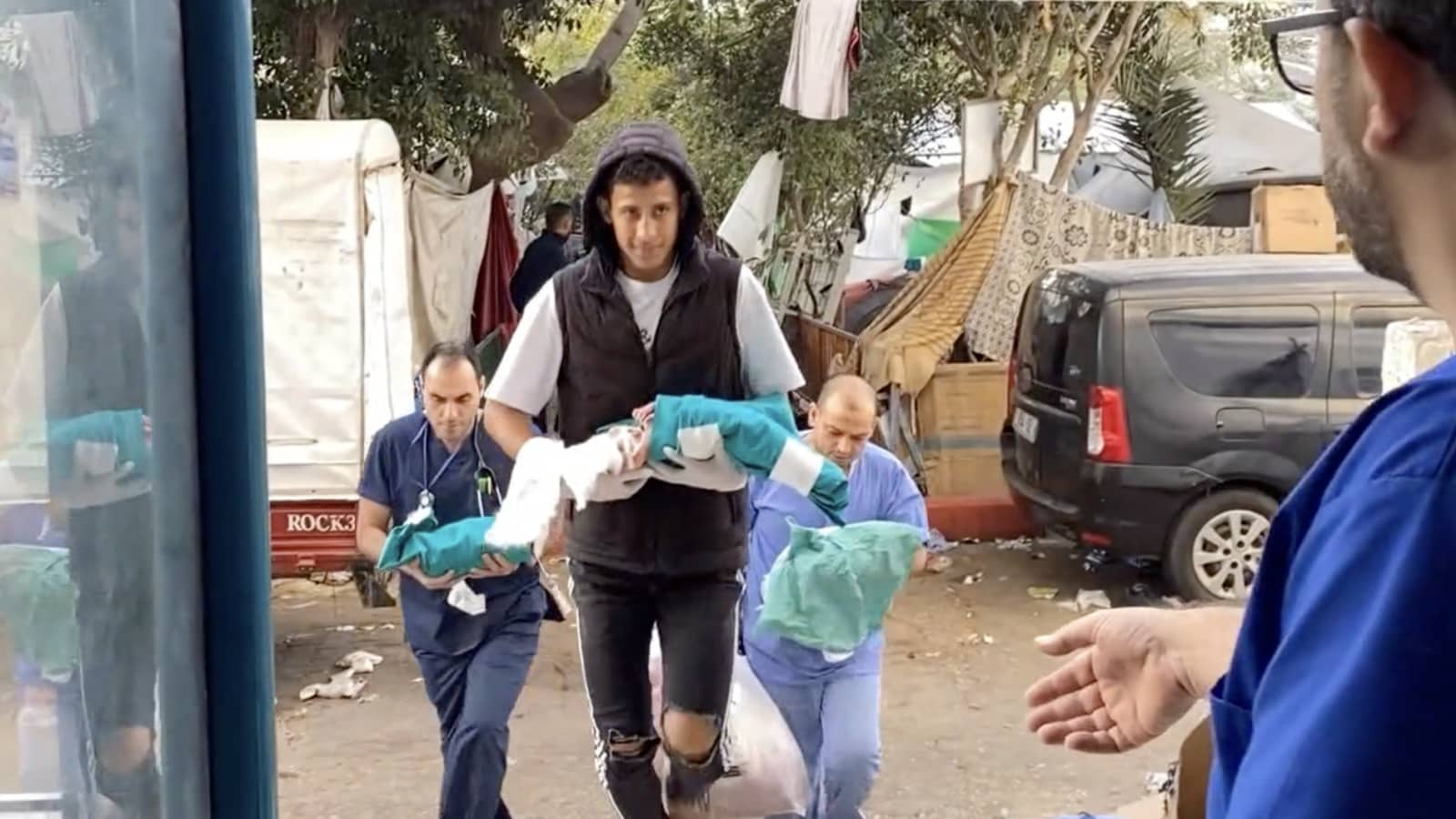
The war between Israel and Hamas has led to an ongoing humanitarian catastrophe in Gaza, affecting the lives of millions of Palestinians. Amid this devastation, a heartbreaking incident has emerged that highlights the severity of the crisis.
A 3-week-old baby girl, named Sila, tragically froze to death overnight in Gaza, a reminder of the dire conditions faced by the people of this besieged territory. As Israel and Hamas continue to engage in accusations and delays regarding a ceasefire, the desperate conditions in Gaza are worsening, leaving families struggling to survive.
The Tragic Death of Baby Sila
The devastating loss of life in Gaza is an all-too-familiar reality for those living in the conflict zone, but the story of baby Sila is particularly heart-wrenching.
On a cold winter night in the Muwasi area near Khan Younis, Sila’s family tried to keep her warm by wrapping her in blankets inside a tent. However, the tent could not protect her from the freezing temperatures, which dropped to 9 degrees Celsius (48 degrees Fahrenheit) that night.
Sila’s father, Mahmoud al-Faseeh, described the unbearable cold, noting that even the adults in the tent couldn’t stay warm. Despite their best efforts, they were unable to shield the infant from the biting cold.
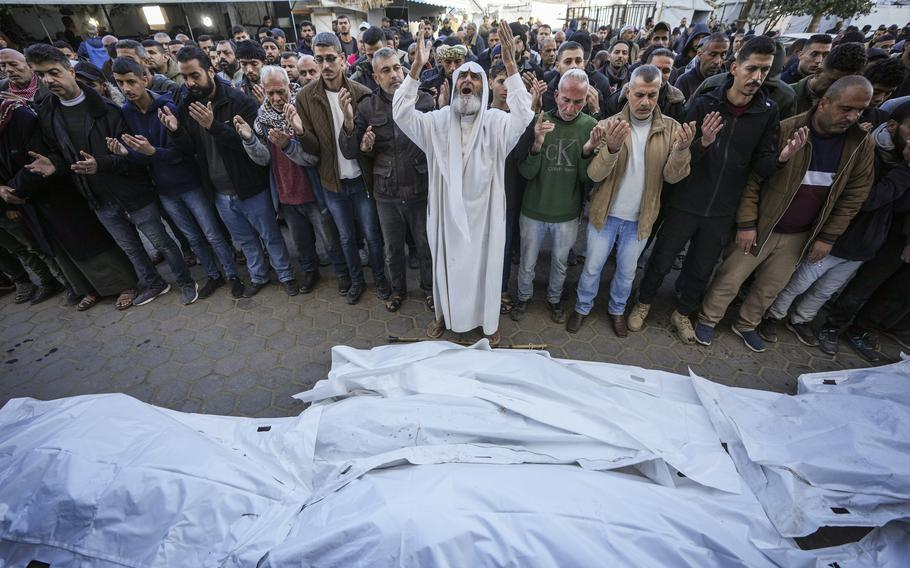
Throughout the night, Sila woke up crying three times, but by morning, she had become unresponsive. Her body was stiff, and her skin had taken on a pale, blotchy appearance. When her parents rushed her to a nearby field hospital, doctors confirmed that the baby had died from hypothermia.
Sila was the third baby to die from cold-related causes in Gaza within a few days. Two other infants, one just three days old and another a month old, were brought to the hospital with similar symptoms.
Read : 1,000-Year-Old Seed Found in Judean Desert Grows in Israel
The toll of these deaths, particularly among the youngest and most vulnerable, underscores the unbearable conditions in Gaza’s overcrowded and poorly equipped refugee camps.
Read : Colombia Suspends Coal Exports to Israel Due to War in Gaza
This tragedy serves as a stark reminder of the ongoing humanitarian disaster that has unfolded over the past 14 months of the Israel-Hamas conflict.
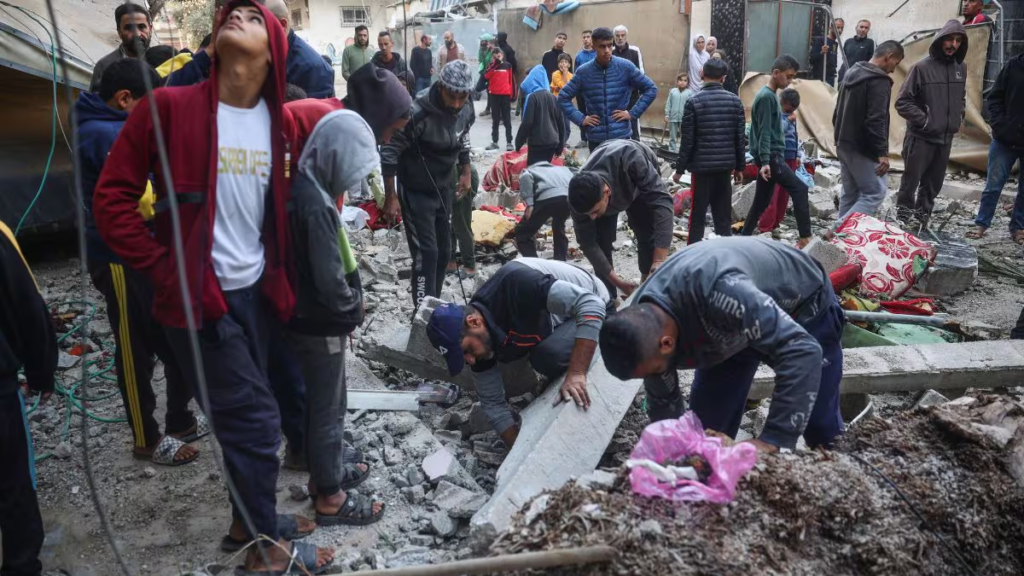
The cold winter months have made the already dire living conditions in Gaza even more dangerous for its residents. With hundreds of thousands of people crammed into makeshift shelters, survival has become a daily struggle.
Gaza’s Humanitarian Crisis: A Catastrophic Situation
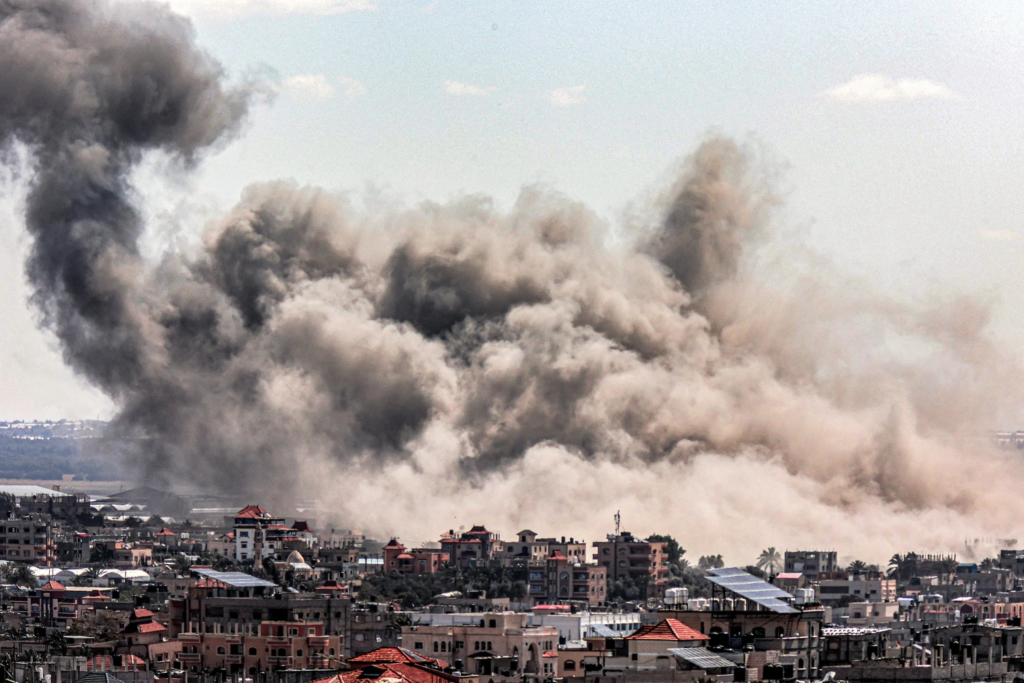
The situation in Gaza is nothing short of catastrophic. The region, home to over 2 million people, has been subjected to relentless Israeli bombardments and a ground invasion that has left more than 45,000 Palestinians dead, the majority of whom are women and children.
The destruction of homes and infrastructure has displaced around 90% of Gaza’s population, with many families forced to flee their homes multiple times in search of safety.
In their search for refuge, Palestinians have sought shelter in overcrowded tent camps along the Gaza coastline. These camps offer little protection against the elements, and many lack basic necessities such as food, clothing, and medical supplies. As winter has set in, the already harsh conditions have become even more severe.
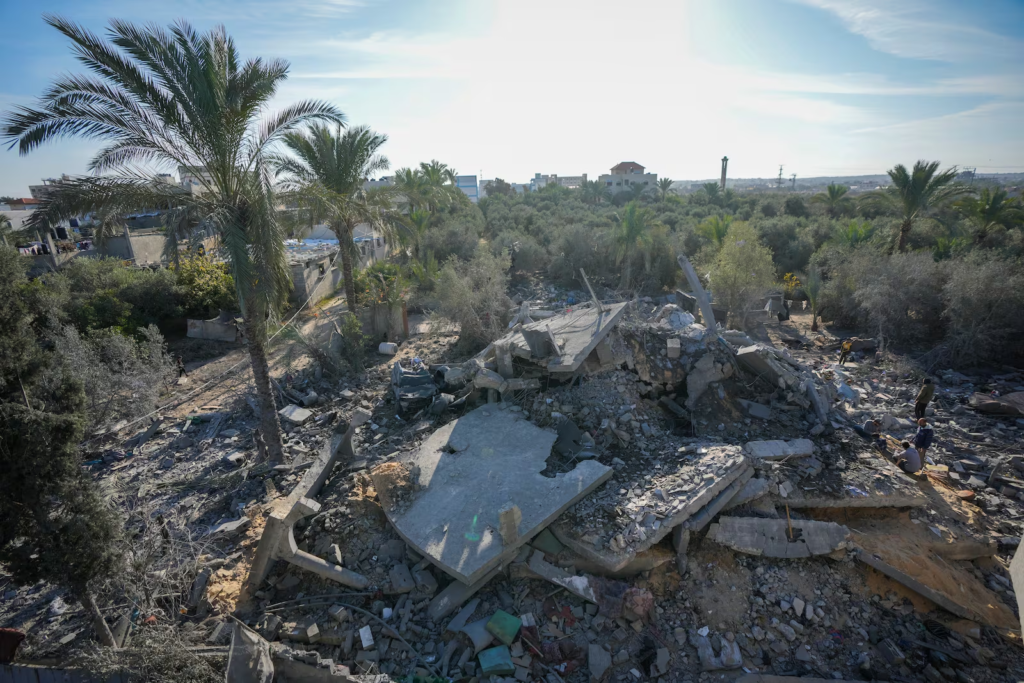
The dire lack of warmth is a major factor contributing to the high death toll among infants and the elderly. Aid organizations working in Gaza have reported severe shortages of blankets, warm clothing, and firewood, making it nearly impossible for families to protect themselves from the cold.
According to medical professionals, hypothermia is now one of the leading causes of death among children in Gaza, and more deaths are expected unless immediate action is taken to address the crisis.
Despite efforts by the international community, including the United Nations and humanitarian organizations, to provide aid, the logistical challenges and restrictions imposed by Israeli forces have significantly hindered relief efforts.
While Israel has increased the amount of aid allowed into Gaza in recent weeks, the scale of the need far outweighs the available resources. According to the United Nations, only about half of the aid that enters Gaza is able to be distributed due to security concerns, theft, and limitations on movement.

Moreover, the blockade on Gaza, imposed by Israel and Egypt, continues to restrict the flow of goods and services into the region. The situation has been exacerbated by the ongoing violence, which has made it difficult for aid workers to reach those in need. The lack of basic services, including clean water, electricity, and medical care, has left Gaza’s population in a state of extreme vulnerability.
Ceasefire Talks: Sticking Points and Accusations
As the humanitarian situation in Gaza deteriorates, hopes for a ceasefire have risen and fallen throughout the conflict. Recently, there had been some optimism regarding the possibility of a ceasefire deal, with both Israel and Hamas indicating that discussions were making progress.
However, despite these indications, the path to a lasting ceasefire remains mired in accusations, delays, and disputes over the terms of the agreement.
The proposed ceasefire would be implemented in phases and would include several key components: a halt in fighting, the exchange of hostages, and the delivery of aid to Gaza.
The eventual withdrawal of Israeli troops from Gaza and the return of displaced Palestinians are also important aspects of the discussions. However, both Israel and Hamas have accused each other of complicating the negotiations.
Hamas has accused Israel of introducing new conditions into the negotiations, particularly concerning the withdrawal of Israeli troops from Gaza and the return of Palestinian prisoners.
Hamas claims that these additional demands are delaying the agreement and complicating the talks. On the other hand, Israel has accused Hamas of backtracking on previously agreed-upon terms and reneging on understandings that had already been reached.
The negotiations, which have been facilitated by international mediators, have been ongoing for several months. However, despite the apparent progress in recent weeks, both sides have made it clear that there are still significant obstacles to overcome before a deal can be finalized.
Key sticking points include the number of hostages to be released, the conditions for the exchange of prisoners, and the timing of the Israeli withdrawal from Gaza. These differences have delayed the implementation of the ceasefire, leaving many to wonder how much longer the people of Gaza can endure.
The Impact of the Ceasefire Delays on Hostage Families
The delay in reaching a ceasefire agreement has also had a significant impact on the families of hostages held by Hamas. In October 2023, Hamas and other militant groups took approximately 250 hostages during an attack on southern Israel.
Some hostages have been released or their remains recovered, but approximately 100 hostages are still believed to be in captivity in Gaza.
The families of these hostages have grown increasingly desperate, calling on both sides to reach a ceasefire agreement and end the suffering.
Families of the hostages have held public demonstrations and press conferences, urging the Israeli government to prioritize the release of their loved ones. Some families have also appealed to the international community to intervene and help secure the release of the hostages.
In Israel, the families of the hostages have been vocal in their frustration, demanding that a ceasefire be implemented immediately to secure the safe return of the hostages.
They have expressed concern that each delay could result in the death or suffering of their loved ones. The families have also criticized the Israeli government for not doing enough to expedite the negotiations and secure a deal.
The situation has become even more urgent as the deadline for President-elect Donald Trump’s second term approaches. Trump has made it clear that if the hostages are not released before he takes office, there will be severe consequences. His comments have added pressure to the negotiations, and families of the hostages are anxiously awaiting a resolution.
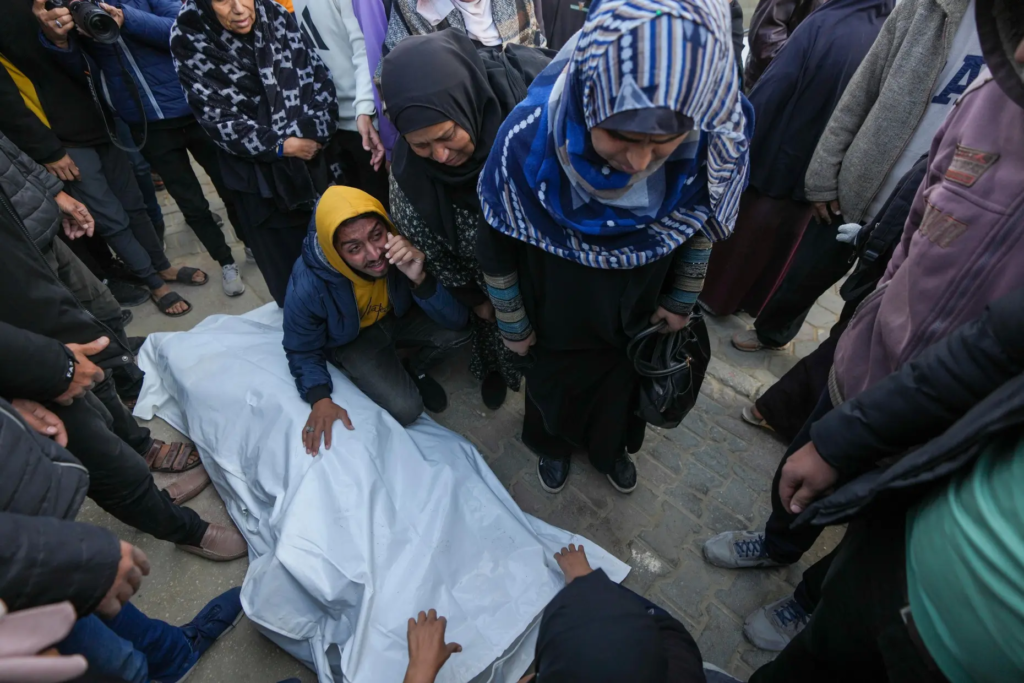
The death of 3-week-old Sila, along with the other innocent lives lost in Gaza, serves as a powerful reminder of the human cost of the ongoing Israel-Hamas conflict.
The dire conditions in Gaza, exacerbated by the cold winter, have left thousands of people struggling to survive. As international mediators continue to work toward a ceasefire, the people of Gaza remain caught in the crossfire of a war that shows no sign of ending.
Both Israel and Hamas must recognize the urgency of the situation and work together to implement a ceasefire that can bring an end to the violence and alleviate the suffering of the Palestinian people.
The delay in reaching a deal is taking a heavy toll, not only on those who have lost their lives but also on the families of the hostages waiting for their loved ones to come home.
It is crucial for the international community to continue its efforts to bring about peace and ensure that humanitarian aid reaches those who need it the most.
Only through diplomacy, cooperation, and a commitment to ending the violence can the cycle of suffering be broken and a lasting peace be achieved in Gaza.