
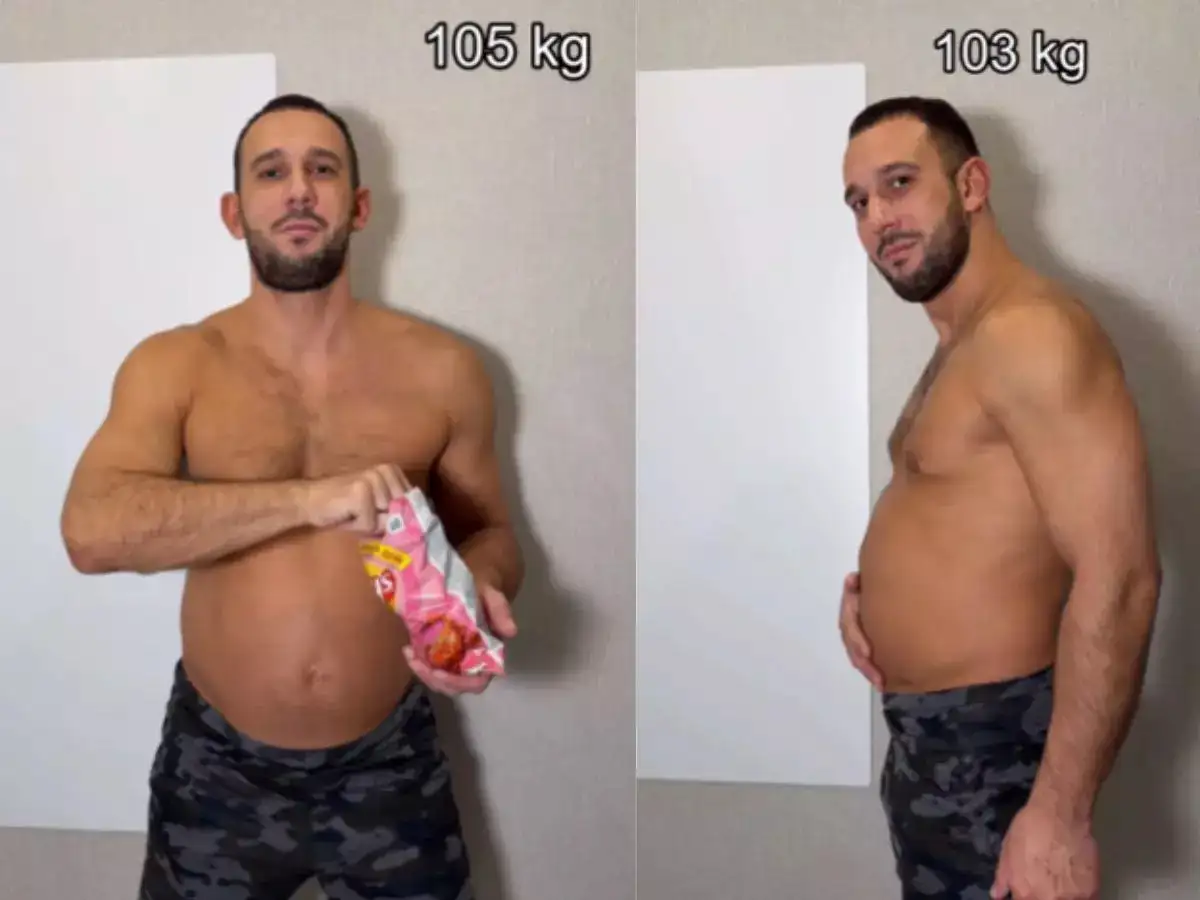
The sudden death of Russian fitness influencer and personal coach Dmitry Nuyanzin has raised widespread concern about extreme diet experiments and the potential risks of pushing the body beyond safe physiological limits. The 30-year-old from Orenburg had gained a strong following online for his training guidance and weight-loss programmes, and his final project, a high-calorie binge-eating “marathon,” was intended to act as a dramatic visual demonstration for his clients.
Over several weeks, he consumed excessive quantities of junk food with the stated goal of gaining weight rapidly before shedding it again as part of a transformation challenge. His death in his sleep, reportedly due to heart failure, occurred shortly after he told friends he felt unwell and planned to seek medical attention. The circumstances of his passing have caused shock among followers, fellow trainers, and health professionals, prompting discussions about the dangers of extreme nutritional stress, even for individuals with athletic backgrounds.
A High-Calorie ‘Marathon’ Intended as a Motivational Tool
Dmitry Nuyanzin’s challenge drew attention because of its unusual premise: to intentionally gain large amounts of weight through heavy junk-food consumption as a motivational strategy for his clients attempting to lose weight. He reportedly consumed more than 10,000 calories a day, dramatically exceeding normal daily requirements and introducing significant strain on his digestive and cardiovascular systems.
His objective was to gain at least 25 kilograms before beginning the transformation phase, during which he intended to document his weight loss as a form of group motivation. His daily diet was openly described in his social media posts, where he listed pastries and cake for breakfast, nearly a kilogram of dumplings coated in mayonnaise for lunch, and combinations of fast food such as burgers and small pizzas for dinner. He also mentioned frequent snacking on crisps throughout the day.
These dietary practices stood in sharp contrast to the disciplined nutrition regimens he normally promoted as a fitness coach, signalling the extreme nature of his temporary experiment. In a post dated November 18, his last on Instagram, Dmitry Nuyanzin appeared eating a pack of chips and announced that he had reached a weight of 105 kilograms, reflecting a rapid gain of at least 13 kilograms within a month.
Un famoso bloguero ruso de fitness de Oremburgo murió después de correr una maratón para ganar peso, comiendo solo comida rápida 🍔
— “Yo soy Elvis” 🎙 (@Ricdelsur) November 27, 2025
El joven de 30 años,Dmitry Nuyanzin decidió subir de peso rápidamente para demostrar a sus seguidores que podía perder peso de forma rápida y… pic.twitter.com/EEfbHokP7r
While he presented the challenge with enthusiasm and intended to frame it as a demonstration of commitment to his programme, the physiological toll became increasingly evident to those around him. One day before his death, he cancelled his training sessions, informing friends that he felt ill and intended to consult a doctor. Hours later, he died in his sleep, with early reports suggesting that heart failure was the cause.
A Career Built on Athletic Discipline and Coaching Expertise
Before this challenge, Dmitry Nuyanzin was known as a disciplined athlete and respected coach. He was a graduate of the Orenburg Olympic Reserve School, an institution recognised for its rigorous physical training standards. He also studied at the National Fitness University in St. Petersburg, where he gained formal qualifications that shaped his decade-long career as a personal trainer.
His clientele reportedly included several high-profile and elite individuals in Russia, reflecting his reputation for knowledge, professionalism, and motivational skill. Colleagues and former students described him as dedicated and supportive, often commended for his structured approach to fitness and his insistence on safety and long-term planning. His decision to undertake a binge-eating “marathon” was therefore unexpected for many who had followed his work, and it represented a stark departure from his traditional training philosophy.
Read : ‘FoodWithBearHands’ Influencer Michael Duarte Shot Dead by Texas Sheriff’s Deputy
Tributes from former clients and followers highlighted his positive influence and the encouragement he had provided over the years. Social media comments described him as an excellent coach, a caring mentor, and a generous individual whose sudden death came as both shocking and deeply saddening. Many also emphasised that his passing should serve as a reminder of the potential dangers associated with extreme bodily experiments, even when undertaken by individuals with advanced fitness expertise.
Public Reaction and Concerns About Extreme Diet Trends
The response to Dmitry Nuyanzin’s death across social media platforms reflected a mix of grief and alarm. Users expressed condolences to his family and lamented the loss of a young coach known for his dedication and supportive nature. At the same time, many pointed to his story as a cautionary tale, warning others against attempting similar high-risk challenges involving extreme caloric intake or sudden dietary shifts.
Some commenters noted that individuals unaccustomed to consuming large quantities of highly processed foods could develop acute health complications. Others observed that the body’s cardiovascular system can react unpredictably when subjected to prolonged periods of excessive fat, sugar, and sodium intake, particularly when consumption levels exceed normal ranges by several thousand calories daily.

Several users expressed concern that social-media-driven challenges, regardless of intent, can sometimes push influencers to adopt harmful practices in order to produce dramatic results or attract engagement. Although Dmitry Nuyanzin intended his challenge to motivate those attempting weight loss, the incident has instead fuelled wider debate about the influence of online fitness trends and the pressures faced by individuals who feel compelled to produce increasingly extreme content.
Health experts commenting on similar cases have emphasised the risks associated with binge-eating patterns, particularly when combined with stress, overexertion, or sudden disruptions to normal metabolic processes. For athletes, consuming very high-calorie junk food over extended periods can increase the likelihood of cardiac strain, inflammation, and metabolic imbalance.
His death has also revived discussion about public understanding of nutrition and exercise science. While controlled weight-gain protocols exist in professional sports settings—such as bodybuilding or strength training—they typically involve strategic increases in calorie intake under medical or nutritional supervision. By contrast, rapid increases through excessive consumption of heavily processed food can produce unpredictable and dangerous outcomes.
Dmitry Nuyanzin’s passing highlights the limits of even a well-conditioned body when subjected to extreme nutritional stress, underscoring that physical fitness does not provide immunity from the complications of excessive or unbalanced dietary behaviour. The emotional responses to his death, particularly from members of the fitness community, signal a growing recognition that online challenges can carry real risks when participants attempt to push their bodies beyond safe boundaries.
The incident has therefore contributed to broader public reflection on the responsibilities of influencers in the health and wellness space. While many content creators aim to inspire or educate, the pursuit of attention-grabbing material can blur the line between demonstration and self-endangerment. For followers, especially younger or inexperienced individuals, distinguishing between responsible guidance and risky experimentation is not always straightforward.
Dmitry Nuyanzin’s story has brought renewed emphasis to the need for caution, medical supervision, and expert consultation when embarking on significant dietary or physical transformations. His death remains a tragic outcome for a trainer whose career had been devoted to helping others improve their health and fitness. The circumstances surrounding his final challenge continue to resonate widely, prompting calls for greater awareness of the health consequences associated with extreme nutritional practices.
Downloaded the bonos777app. Fingers crossed for some quick wins on the go! Anybody tried it yet? bonos777app
Trang web đánh bạc trực tuyến này có các chính sách nghiêm ngặt về việc bảo vệ thông tin cá nhân của game thủ, giúp họ cảm thấy an toàn hơn trong các hoạt động cá cược. Dịch vụ thanh toán nhanh chóng cũng là một yếu tố quan trọng đảm bảo người chơi dễ dàng và nhanh chóng tiếp cận số tiền thắng cược của họ. trang chủ 66b Tất cả những yếu tố này đóng góp vào việc tạo ra một môi trường giải trí độc đáo nơi game thủ không chỉ tìm thấy sự thích thú mà còn an toàn tuyệt đối khi tham gia. TONY12-26