
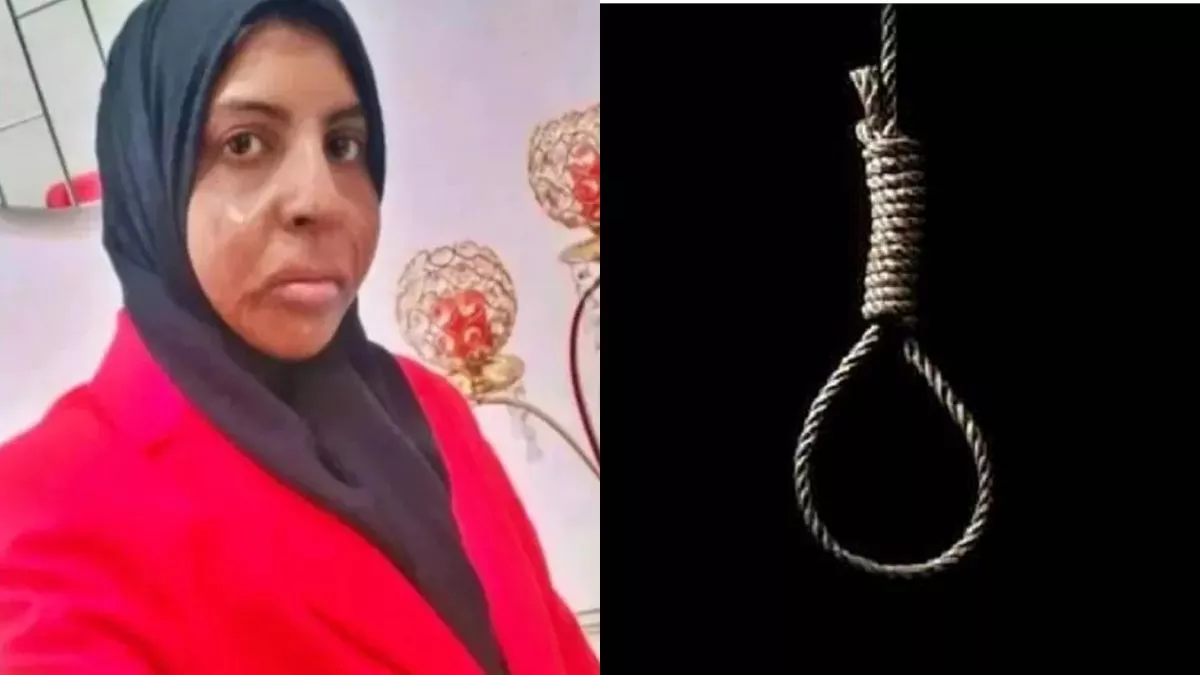
The tragic fate of 33-year-old Shahzadi Khan, a resident of Banda district in Uttar Pradesh, has left her family devastated and searching for answers. Shahzadi was executed in Abu Dhabi on 15 February 2025, nearly two years after being accused of murdering a four-month-old infant.
However, her family remained completely unaware of her execution for 17 days. It was only on 3 March, when they approached the Delhi High Court, that they were informed about her fate by the Ministry of External Affairs (MEA). Her last rites were scheduled to take place in Abu Dhabi on 5 March.
Shahzadi’s family has accused the Indian government and the Indian Embassy in the UAE of keeping them in the dark about her execution.
Read : UP’s Shahzadi Khan Faces Death Sentence After Child Died in Her Care in Abu Dhabi
They believe that their daughter was denied a fair chance to prove her innocence and that the authorities failed to provide them with timely information. Her father, Shabir Khan, expressed deep anguish over the situation, stating that no one listened to them when their daughter was alive, and now after her death, their voices would likely go unheard once again.
The Shocking News of Shahzadi Khan’s Execution
On the night before her execution, Shahzadi was able to make one final phone call to her family. The call lasted for 10 minutes, during which she bid farewell to her parents, knowing that her time was running out. “I don’t have any time left, Dad. My time is over… I don’t know if I’ll be able to make any call or not,” she said, her voice filled with sorrow.
In an emotional exchange, her mother, overwhelmed with grief, asked for her daughter’s forgiveness. “We couldn’t do anything. Forgive us,” she sobbed, feeling powerless in the face of the inevitable. Shahzadi reassured them, asking her family not to hold anything in their hearts and to grant her final wish.
This tragic conversation remains one of the most haunting aspects of the case, highlighting the agony faced by both the victim and her grieving family. The execution took place the next day, and Shahzadi was gone forever.
The Case, Legal Battle, and Allegations of Injustice
Shahzadi Khan had been living in the UAE for work when she was accused of the murder of a four-month-old infant. The details of the case remain unclear, and her family maintains that she was wrongfully convicted. Despite spending nearly two years in prison, she was ultimately sentenced to death and executed.

After losing contact with Shahzadi and failing to receive any official communication about her case, her father took legal action by filing a petition in the Delhi High Court on 24 February. It was only during the hearing on 3 March that the MEA finally disclosed that Shahzadi had already been hanged to death on 15 February.
The family now demands answers from the Indian government and the embassy. They question why they were not informed earlier and why there was no intervention to save their daughter. The case raises serious concerns about the treatment of Indian workers abroad and the lack of transparency in handling such sensitive matters.
Shahzadi’s execution and the subsequent delay in informing her family have ignited debates about diplomatic responsibility, legal support for Indians facing charges overseas, and the ethical concerns surrounding capital punishment. Her story serves as a painful reminder of the struggles faced by many migrant workers and their families, who often find themselves powerless in foreign legal systems.