
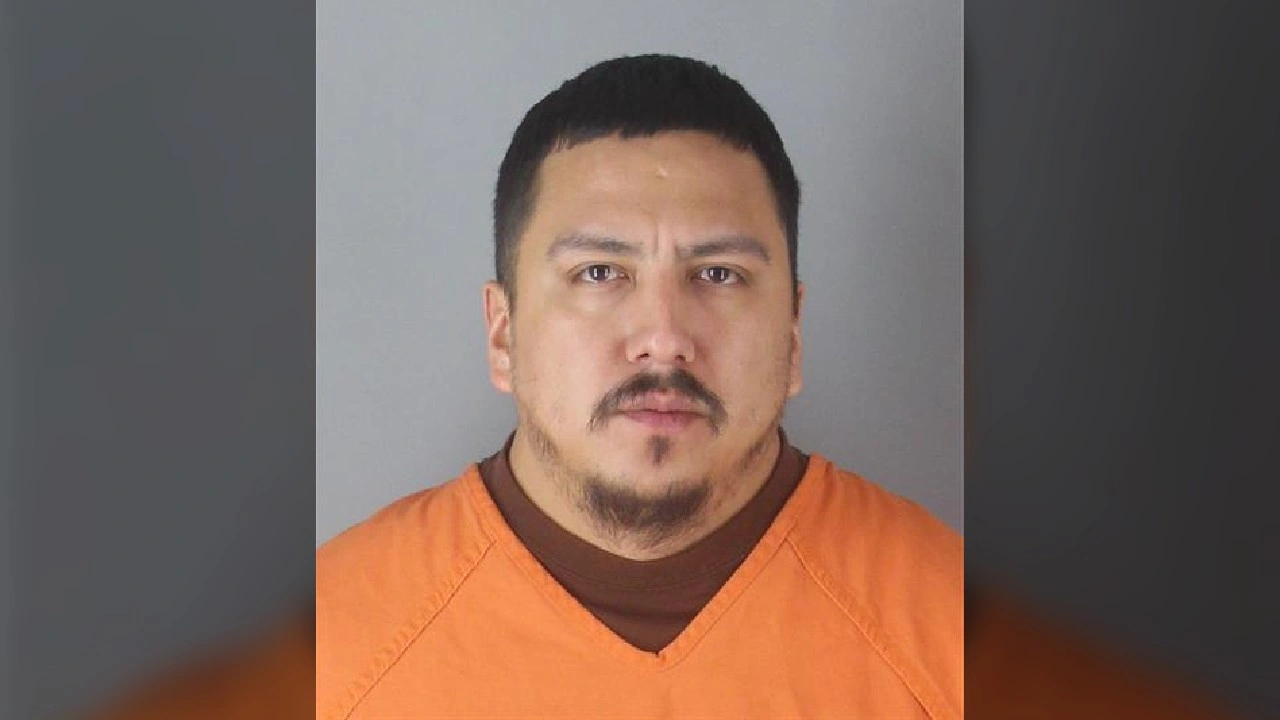
In a significant step forward in the investigation of a deadly mass shooting in Minneapolis, authorities have arrested 34-year-old James Ortley, who is now facing multiple charges related to the shooting spree.
The incident, which occurred on the night of Tuesday, April 25, 2025, left four people dead and one injured, igniting a wave of grief and concern within the community.
As law enforcement works to unravel the circumstances surrounding this violent act, the city grapples with the implications of yet another tragedy in an area already struggling with systemic issues of violence and crime.
The Timeline of Events and Ortley’s Arrest
Around 11:55 p.m. on Tuesday, the quiet streets of the Midtown Phillips area were shaken by gunfire as a mass shooting erupted. The chaos left a 20-year-old woman, a 27-year-old man, and a 17-year-old boy dead at the scene, with a 28-year-old man and a 20-year-old woman rushed to the hospital with critical injuries.
The 28-year-old man later succumbed to his injuries on Thursday evening. While the police investigation quickly ramped up, the case took a significant turn on Thursday afternoon. At approximately 3:30 p.m. on Thursday, U.S. Marshals executed a search warrant at a residence located on the 1600 block of South Fourth Street.
There, they apprehended James Ortley, who was already wanted for multiple counts of second-degree murder in connection to the shooting. Additionally, Ortley faced a federal warrant for being a felon in possession of a firearm.
Read : Myrtle Beach Shooting Suspect 18-Year-Old Jerrius Davis Shot Dead by Police
Minneapolis Police Chief Brian O’Hara acknowledged the arrest as an important breakthrough in the investigation, referring to it as a “significant step forward” in understanding the events that led to one of the most violent incidents the city has experienced in 2025.
Read : Wildlife Officials in the U.S. Are Planning to Kill 450,000 Barred Owls to Save Spotted Owls
Authorities believe Ortley was the primary individual responsible for the deadly shooting, but investigations are ongoing to determine whether other suspects were involved. The police are urging anyone with additional information to come forward to aid in the investigation.
The Aftermath: Community Grief and Violence
The tragedy was part of a larger wave of violence that plagued the city that night. Within just 24 hours of the Midtown Phillips shooting, the city saw a string of gun-related incidents. Early Wednesday morning, a man in his 30s was fatally shot just three blocks away from the site of the mass shooting, near the intersection of Cedar and East Franklin avenues.
The violence did not stop there. Approximately 90 minutes later, another man was shot near West 33rd Street and Harriet Avenue in the Lyndale neighborhood, though his injuries were not life-threatening.
Another shooting occurred shortly thereafter at a residence near North 29th Avenue and Girard Avenue North in the Jordan neighborhood, where an altercation outside escalated into gunfire, injuring two people.
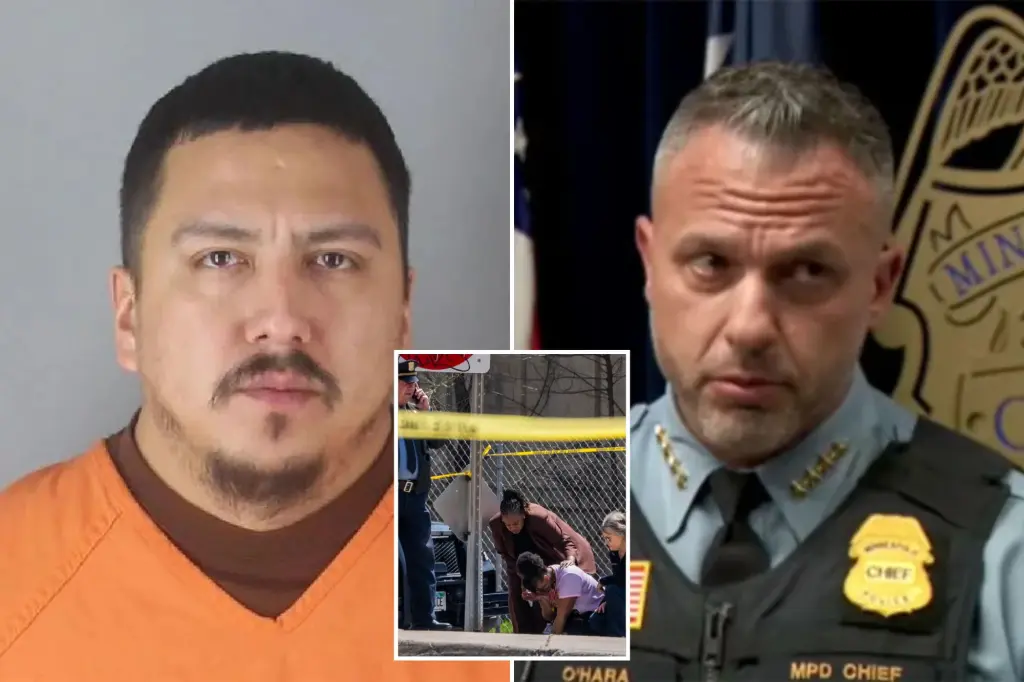
The day concluded with yet another tragic shooting incident. A man in his 50s was fatally wounded near 15th Avenue South and East Lake Street in the Powderhorn neighborhood. The string of shootings in such a short period of time has left Minneapolis residents reeling and questioning the safety of their community.
The pain and devastation of the victims’ families are compounded by the broader, systemic issues of violence that have plagued the city for years. Mike Forcia, the Chairman of the American Indian Movement, expressed his concern over the senseless violence that disproportionately affects Native American communities, particularly in the wake of this shooting spree.
The victims of the Midtown Phillips shooting were all Native American, and it is suspected that they were specifically targeted. Forcia pointed out that systemic issues such as lack of access to education, employment, and community resources often contribute to violent outcomes.
He argued that when young men face limited opportunities and are unable to find stable work or education, they may turn to criminal activities, including drug trafficking, as a means of survival. Forcia believes that addressing these broader social and economic issues is crucial in reducing violence in Minneapolis.
A Community in Mourning: Remembering the Victims
The mass shooting that claimed the lives of four people has left a deep wound in the Minneapolis community, especially among the families and loved ones of the victims.
The ceremony held on Thursday to honor the victims was a somber reminder of the human cost of the violence that erupted that night. Mike Forcia, along with other community leaders, expressed their sorrow and frustration over the loss of so many young lives.
Among the victims were 20-year-old twin sisters, Maleice and Merelle White. Merelle White was pronounced dead at the scene of the shooting, while her sister Maleice remains hospitalized with serious injuries. Their cousin, Shianna Smallwood, spoke fondly of the two sisters, describing them as an inseparable and powerful duo.
Smallwood expressed her belief that the sisters were in the wrong place at the wrong time and that they were simply friends with the other victims in the vehicle where the shooting took place.
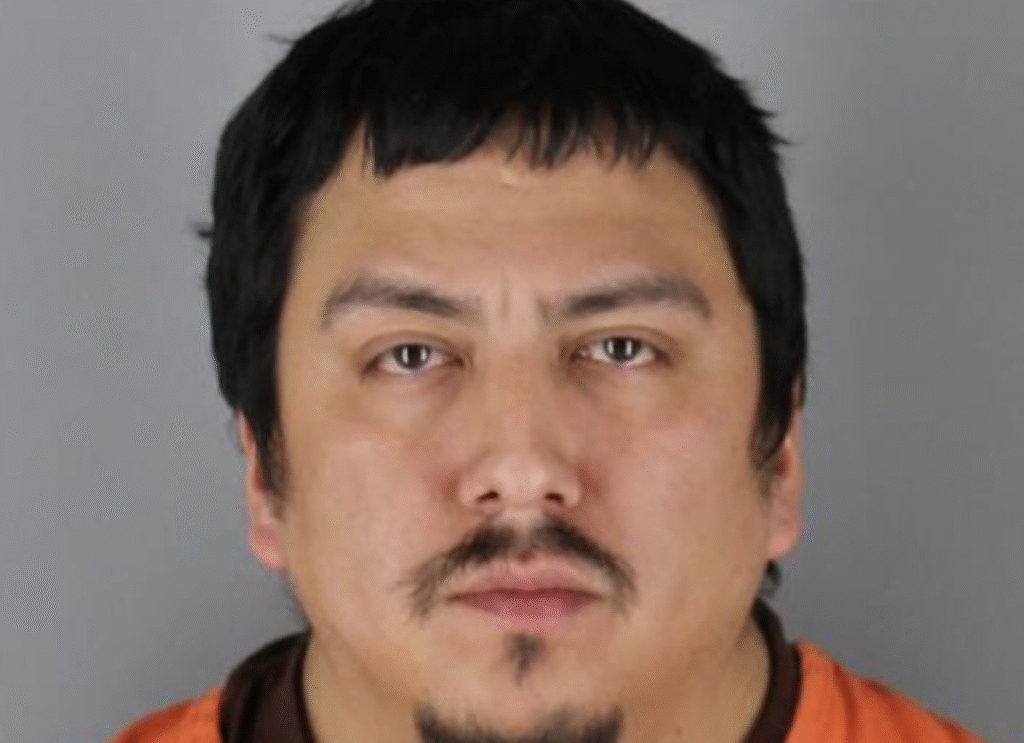
Smallwood’s grief was compounded by the realization that her cousin Maleice, the sole survivor of the shooting, would have to endure not only physical recovery but also the emotional trauma of losing her twin sister and witnessing the horrific violence unfold. Despite the challenges, Smallwood described Maleice as a “strong” person, drawing strength from her resilience as the community rallied around her.
The loss of life in the community has sparked an outpouring of support from various quarters, as residents come together to mourn the senseless deaths. The local chapter of the American Indian Movement and other advocacy groups have organized prayer ceremonies and drum circles to honor the victims and bring awareness to the larger issues of violence in the city.
The people of Minneapolis are grappling with the realities of gun violence, its devastating effects on families, and the systemic issues that contribute to such tragedies.
Gang Violence and the Fear of More to Come
As the investigation into the mass shooting continues, there are growing concerns that gang violence may be playing a central role in the recent wave of shootings. Mike Forcia voiced his concerns about gang warfare, which he believes could be behind the spree of violence that unfolded over the course of just a few hours.
The nature of the attacks and the apparent targeting of certain individuals have led to suspicions that the violence may be connected to ongoing gang rivalries in the city. Forcia, along with other community leaders, has warned that the violence may not be over yet.
He expressed fears that further shootings could occur if the underlying causes of the violence—such as gang conflict, poverty, and systemic inequalities—are not addressed. While the arrest of James Ortley represents a significant development in the case, it is clear that much more work remains to be done to restore peace and safety to Minneapolis.
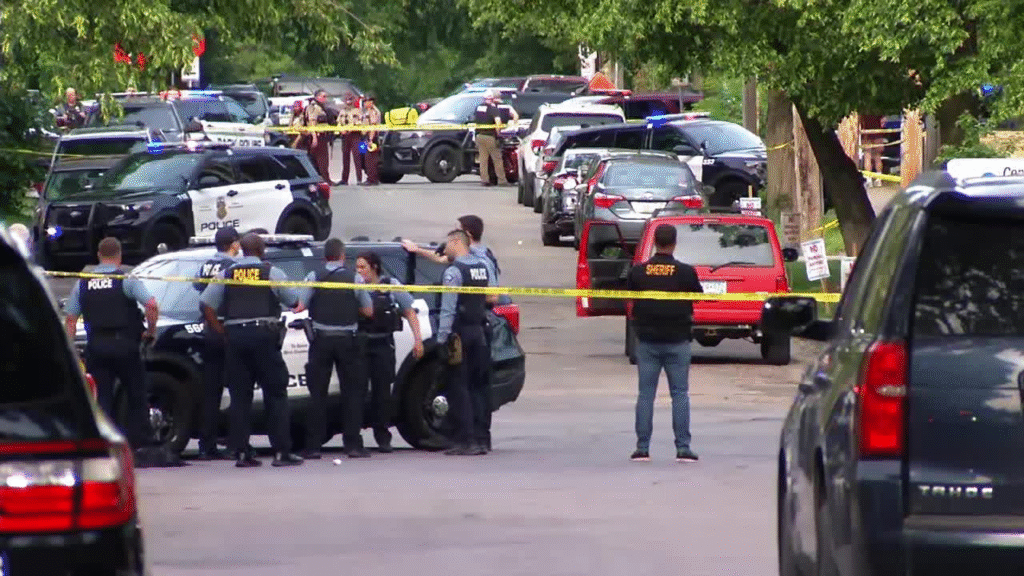
The shooting spree has also raised questions about the effectiveness of law enforcement and the role of the community in preventing violence. Local officials, including Minneapolis Mayor Jacob Frey, have pledged to use every available resource to tackle the issue of gun violence in the city. Frey emphasized that the arrest of Ortley sends a clear message to those who may be involved in criminal activities: violence will not be tolerated in the city.
However, for the families and loved ones of the victims, the arrest is unlikely to bring closure to their grief. The tragedy serves as a stark reminder of the deep-seated issues facing the city and the broader struggle to create a safer, more equitable society for all its residents.
The arrest of James Ortley in connection to the mass shooting that left four people dead in Minneapolis is an important step forward in a complex and rapidly evolving investigation. While law enforcement has made significant progress, the community remains in mourning as it grapples with the aftermath of the violence.
The victims’ families, particularly the survivors, are left to heal from both the physical and emotional scars of that fateful night. The tragedy highlights the broader issues of gang violence, systemic inequality, and the lack of resources that plague many urban communities.
While the arrest offers some hope for justice, it also underscores the need for long-term solutions to address the root causes of violence in Minneapolis. Only through collective action, community support, and a commitment to systemic change can the city begin to heal from the wounds of this devastating event.