
The tragic death of 35-year-old Lucy Adhiambo Ouma has once again drawn attention to the persistent dangers faced by communities living near wildlife habitats. The incident, which occurred along River Yala in East Yimbo location within Usigu sub-county, underscores the harsh realities of daily life in regions where human activity intersects closely with natural ecosystems. For residents like Lucy, accessing basic necessities such as water often involves navigating environments that are both essential and potentially life-threatening.
Lucy, a resident of Mago Village, had gone to the river in the late afternoon to fetch water, a routine activity for many in the area. At approximately 4:00 pm, her life was abruptly cut short when a crocodile attacked and dragged her into the river. The horrifying incident was witnessed by a passerby who raised the alarm, prompting a swift but ultimately futile response from local authorities and community members. Despite immediate efforts by wildlife officials and residents, Lucy could not be saved, and her body was recovered two hours later.
The loss has deeply affected the local community, not only because of the sudden and violent nature of the attack but also due to the familiarity of such risks. For many families, rivers are a lifeline, providing water for drinking, cooking, and cleaning. However, these same rivers are also habitats for dangerous wildlife, creating an unavoidable and often deadly overlap between human needs and natural behavior.
A Routine Task Turns Fatal
Fetching water is an everyday responsibility for countless individuals in rural areas, particularly for women who often bear the burden of household chores. Lucy Adhiambo Ouma’s trip to River Yala was no different from what she and many others had done countless times before. The predictability of such routines can sometimes create a false sense of security, even in environments known to harbor dangerous animals.
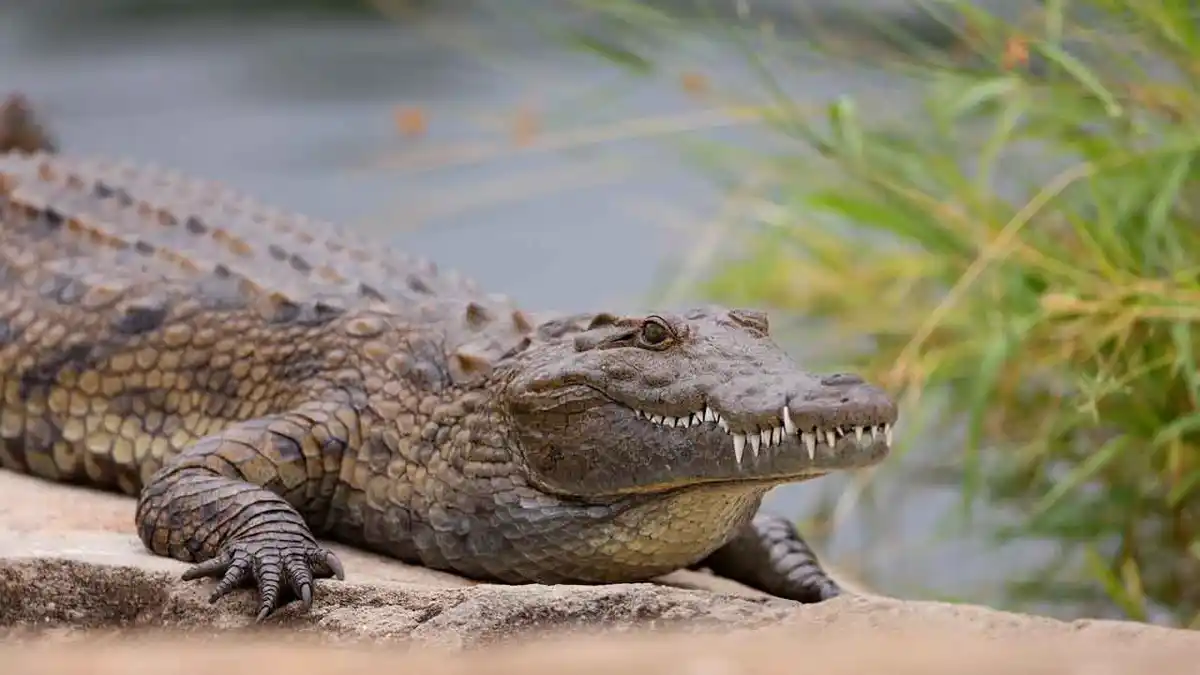
The attack itself was sudden and brutal, leaving little chance for escape. Crocodiles are known for their stealth and speed, often remaining hidden beneath the water’s surface before launching an ambush. In this case, witnesses reported that the animal emerged quickly and dragged Lucy into the river before anyone could intervene. The presence of a passerby who raised the alarm highlights how quickly such incidents unfold, often within mere seconds.
Emergency response teams, including wildlife authorities and administrative officers, arrived promptly after the alarm was raised. Their coordinated efforts with local residents led to the recovery of Lucy’s body after an extensive search. However, the outcome underscores the limitations of response efforts once an attack has already occurred. Prevention remains the most critical factor in avoiding such tragedies, yet it is often difficult to implement in areas where daily survival depends on access to natural water sources.
Read : Carlo Acutis: First Millennial to Be Granted Sainthood After Second Miracle Attributed to Him
The timing of the incident during the rainy season adds another layer of complexity. Rising water levels often expand the habitats of crocodiles, increasing their activity and bringing them closer to areas frequented by humans. These environmental changes can make already dangerous situations even more unpredictable, as animals venture beyond their usual boundaries in search of food or suitable conditions.
Recurring Threat Along River Yala
Lucy’s death is not an isolated incident but part of a broader pattern of crocodile attacks reported in the region. Residents have expressed growing concern over the frequency of such encounters, describing them as a persistent and escalating threat. The river, while essential for daily life, has increasingly become a site of fear and uncertainty.
Read : 14-Year-Old Muhammad Rafli Hamzah Mauled to Death by Crocodile While Washing Clothes in River
Local leaders and community members have voiced their frustrations, calling for more effective measures to address the danger. The repeated nature of these attacks suggests that existing interventions may be insufficient or inconsistently applied. For many residents, the risk is not theoretical but an ever-present reality that shapes their daily decisions and movements.
One of the primary challenges lies in balancing human needs with wildlife conservation. Rivers like Yala are natural habitats for crocodiles, and efforts to remove or relocate them must be carefully managed to avoid disrupting the ecosystem. At the same time, the safety of local populations cannot be overlooked. This tension creates a complex situation where solutions must be both practical and sustainable.
Community members have pointed out that limited access to alternative water sources forces them to rely heavily on the river despite the risks. In many cases, there are no nearby wells, boreholes, or piped water systems available, leaving residents with little choice. This dependency highlights the broader issue of infrastructure development and its role in mitigating human-wildlife conflict.
The emotional impact of such incidents extends beyond the immediate victims and their families. Each attack reinforces a sense of vulnerability within the community, affecting how people interact with their environment. Fear can alter routines, restrict movement, and create additional hardships for individuals who already face significant challenges in their daily lives.
Calls for Safety Measures and Government Intervention
In the aftermath of Lucy’s death, authorities have urged residents to exercise increased caution when using the river. Advisories include minimizing the time spent near the water, avoiding activities such as washing clothes or dishes at the riverbank, and remaining vigilant, especially during periods of high water levels. While these recommendations are important, they also highlight the limitations of relying solely on individual behavior to prevent attacks.
Read : Savage! Pickup Truck Drives Over Giant Crocodile At Cahill’s Crossing In Australia
Local leaders have called for more proactive measures, including increased monitoring of crocodile populations, the installation of warning signs, and the development of safer access points for water collection. Some have suggested the construction of barriers or designated areas where residents can safely approach the river without exposing themselves to immediate danger. These measures, however, require resources, planning, and sustained commitment from both local and national authorities.
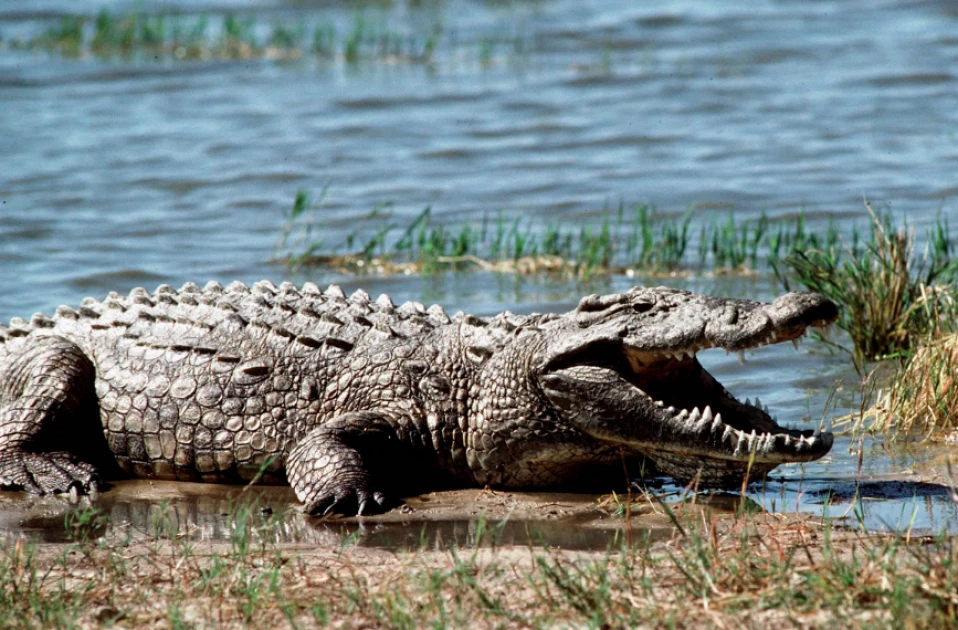
The involvement of wildlife services in responding to the incident demonstrates the importance of coordinated efforts in managing such situations. However, response alone is not enough to address the root causes of the problem. Long-term solutions must focus on reducing the likelihood of encounters between humans and crocodiles, which may involve habitat management, community education, and infrastructure improvements.
Investment in alternative water sources is often cited as one of the most effective ways to reduce reliance on dangerous riverbanks. Boreholes, wells, and piped water systems can provide safer options for communities, significantly lowering the risk of wildlife attacks. While such projects require substantial funding and logistical support, their impact on public safety and quality of life can be profound.
Education and awareness campaigns also play a crucial role in prevention. Informing residents about the behavior of crocodiles, identifying high-risk areas, and promoting safe practices can help reduce the likelihood of attacks. However, these efforts must be tailored to the specific needs and circumstances of the community to be truly effective.
Lucy Adhiambo Ouma’s death serves as a stark reminder of the dangers that can arise when human needs intersect with natural ecosystems. Her story reflects a broader challenge faced by many communities living near wildlife habitats, where the pursuit of basic necessities can carry significant risks. Addressing this issue requires a multifaceted approach that prioritizes both human safety and environmental sustainability, ensuring that tragedies like this become less frequent in the future.