
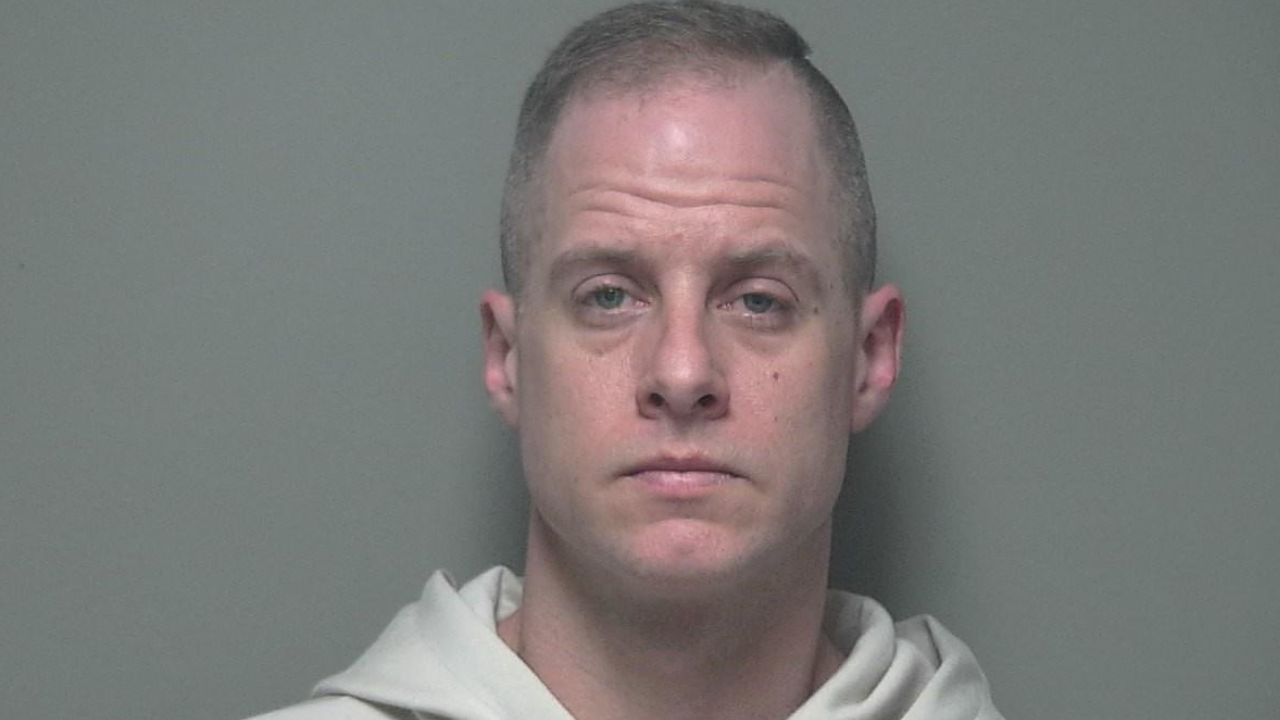
The quiet community of Tipp City, Ohio, has been shaken by the tragic death of Ashley Flynn, a 37-year-old teacher and volleyball coach remembered for her dedication to students and her warmth toward everyone she encountered. What began as a reported burglary investigation quickly transformed into a criminal case that has drawn widespread attention and deepened the sense of loss within the community.
Authorities have now charged her husband, Caleb Flynn, with murder and multiple related offenses in connection with her death, marking a dramatic turn in the investigation that unfolded over several days. Ashley Flynn was found dead inside her home in the early hours of February 16, 2026, after police responded to a reported burglary. Initial statements from law enforcement suggested that the fatal shooting may have occurred during a break-in. However, continued investigation led to a different conclusion, culminating in charges against her husband.
The case has prompted questions about what happened inside the family’s home that morning and has left many residents grappling with the sudden and violent loss of someone widely admired for her commitment to education and youth development. As the investigation continues and legal proceedings begin to take shape, the details surrounding Ashley Flynn’s death and the subsequent arrest of her husband have become central to understanding both the criminal case and the profound impact the tragedy has had on the Tipp City community.
Investigation and Arrest in a Rapidly Changing Case
Police were first called to the Flynn residence on Cunningham Court at approximately 2:30 a.m. on February 16 after a report of a burglary. Upon arrival, officers discovered Ashley Flynn suffering from a gunshot wound. She was pronounced dead at the scene. Early information provided by authorities indicated signs of forced entry at the home, and investigators confirmed that two gunshots had been fired inside the residence. At that stage, the circumstances appeared consistent with a violent intrusion.
For several days, the possibility that Ashley Flynn had been killed during a burglary shaped public understanding of the incident. The presence of apparent forced entry supported that initial assessment, and investigators did not immediately disclose additional details. Law enforcement described the case as complex, suggesting that multiple lines of inquiry were being pursued simultaneously.
As the investigation progressed, authorities began reexamining evidence collected at the scene. While officials have not publicly disclosed the specific findings that altered the direction of the case, the results ultimately led to the arrest of Caleb Flynn. He was charged with one count of murder, two counts of felonious assault, and two counts of tampering with evidence. Jail records indicate that he was booked into the Miami County Jail just after 5 p.m. on Thursday following the incident and remained in custody awaiting arraignment.
The filing of multiple charges suggests that investigators believe events surrounding Ashley Flynn’s death involved more than a single act of violence. The inclusion of tampering with evidence charges indicates that authorities suspect attempts were made to interfere with or conceal information related to the crime. However, law enforcement officials have not publicly outlined a detailed timeline or described the specific evidence supporting each charge.
Read : Woman Dies After Falling Through Ice on Bee’s River While Walking Her Dog with Husband
Police leadership acknowledged the complexity of the investigation and expressed appreciation for the community’s patience while the case developed. The rapid shift from an apparent burglary to a homicide investigation involving a family member underscored the challenging and sensitive nature of the inquiry. Authorities have continued to limit public disclosure of investigative details, likely to preserve the integrity of the ongoing legal process.
Read : Watch: Heat of Washington DC is Melting Abraham Lincoln Statue
A particularly distressing aspect of the incident is that two children were inside the home at the time of the shooting. Officials confirmed that neither child was physically injured. The presence of children during the incident has intensified emotional reactions within the community and has contributed to the broader sense of tragedy surrounding the case.
As legal proceedings move forward, the focus will shift toward the presentation of evidence, the determination of motive, and the reconstruction of events inside the home. For now, many of the central questions remain unanswered, with investigators and prosecutors maintaining confidentiality regarding the specifics of their findings.
A Life Defined by Service to Students and Community
Beyond the criminal investigation, Ashley Flynn’s life and contributions have been central to how the community is processing her loss. She was widely known not only as an educator but also as a mentor, coach, and active participant in community and faith-based organizations. Her work extended across multiple roles, each reflecting a commitment to supporting young people both academically and personally.
She served as a volleyball coach for Tippecanoe Middle School, where she worked closely with students both on and off the court. Coaching placed her in a position of influence that extended beyond athletic instruction, allowing her to shape confidence, teamwork, and discipline among the young athletes she guided. Colleagues and students described her as encouraging and approachable, someone who consistently fostered a positive environment.
In addition to coaching, she worked as a substitute teacher and had previously been employed as a teacher within Tipp City Schools. Her involvement in education reflected a sustained dedication to the academic development of children in the community. School district officials described her as someone who made a meaningful impact on students and staff alike, emphasizing her warmth and the consistency of her supportive presence.
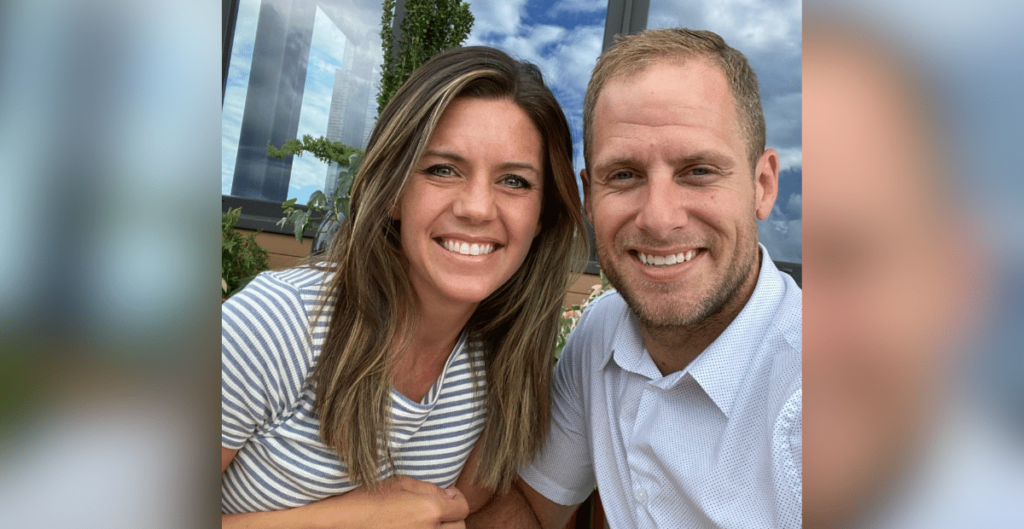
Ashley Flynn also taught at Lifewise Academy in Hilliard, expanding her influence beyond her immediate community. Her role there further demonstrated her commitment to education in diverse settings and her willingness to contribute wherever she felt she could make a difference. Through these varied positions, she maintained an active presence in the lives of many students across different schools and programs.
Her community involvement extended into religious life as well. She was a member of Christian Life Center in Dayton, where she participated in church activities and maintained connections with fellow congregants. This dimension of her life reflected the broader network of relationships she cultivated, linking her not only to educational institutions but also to spiritual and community organizations.
Public tributes from the school district emphasized her personal qualities as much as her professional contributions. She was remembered for her smile, kindness, and the positive influence she had on others. Descriptions consistently highlighted her ability to connect with people, suggesting that her impact was not limited to structured roles but was evident in everyday interactions.
For many residents, the loss of Ashley Flynn represents not only the death of an educator but the disappearance of a familiar and valued presence in daily community life. Her work placed her at the center of numerous relationships with students, parents, colleagues, and fellow community members. The emotional response to her death reflects the breadth of those connections.
Community Response and Ongoing Legal Proceedings
The aftermath of Ashley Flynn’s death has been marked by both grief and uncertainty. Residents of Tipp City and surrounding areas have struggled to reconcile the initial explanation of a burglary with the later announcement of charges against her husband. The sudden change in the narrative has heightened public attention and contributed to widespread discussion within the community.
Read : 70-Year-Old Elizabeth Poteete Accused of Fatally Shooting Sleeping Husband
School communities have been particularly affected. Students who knew her as a teacher or coach, along with colleagues who worked alongside her, have faced the challenge of processing both personal loss and the shock of the circumstances surrounding her death. Expressions of remembrance have focused on her influence in classrooms and athletic programs, highlighting the many ways she shaped student experiences.
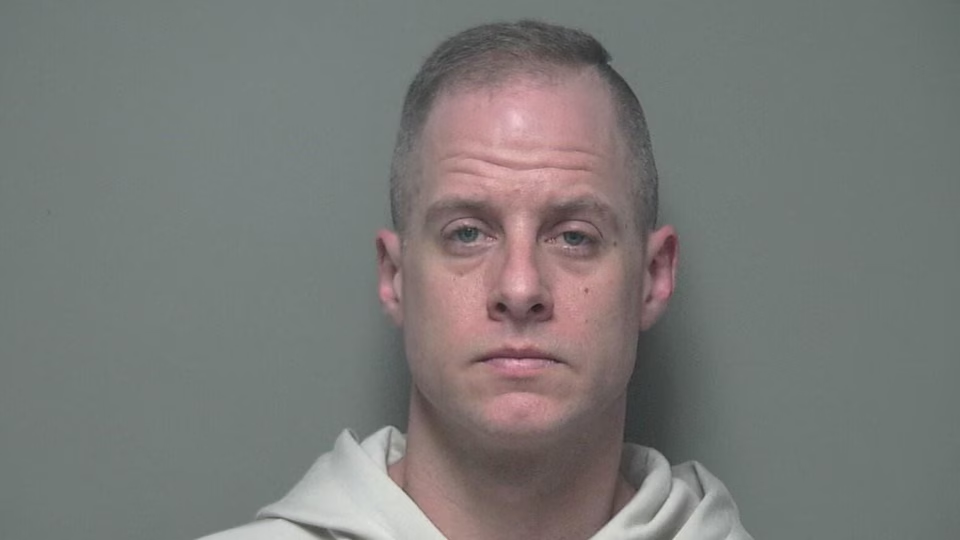
Community members have also responded with concern for the children who were present in the home at the time of the shooting. While they were not physically harmed, the emotional implications of the incident have been widely acknowledged. Their well-being has become an important consideration for those closest to the family and for the broader community.
Meanwhile, the legal process is only beginning. The charges filed against Caleb Flynn mark the transition from investigation to prosecution, but many procedural steps remain ahead. Arraignment hearings, pretrial motions, and potential evidentiary disclosures will gradually reveal more information about the prosecution’s case. Until those proceedings unfold, many aspects of the investigation will remain undisclosed.
Law enforcement officials have indicated that the case required extensive investigative work, suggesting that evidence collection and analysis played a central role in shaping the final determination of charges. The collaborative nature of the investigation, referenced by police leadership, indicates that multiple agencies or specialized units may have contributed expertise.
Public attention is likely to remain focused on developments in court, where details of the alleged events inside the home will be examined in greater depth. Testimony, forensic findings, and investigative records will ultimately form the basis of the judicial process that will determine responsibility for Ashley Flynn’s death.
For now, the community continues to navigate the dual realities of mourning a respected educator and following the unfolding legal case connected to her death. The combination of personal grief, unresolved questions, and ongoing proceedings ensures that the impact of the tragedy will remain deeply felt in Tipp City for the foreseeable future.