
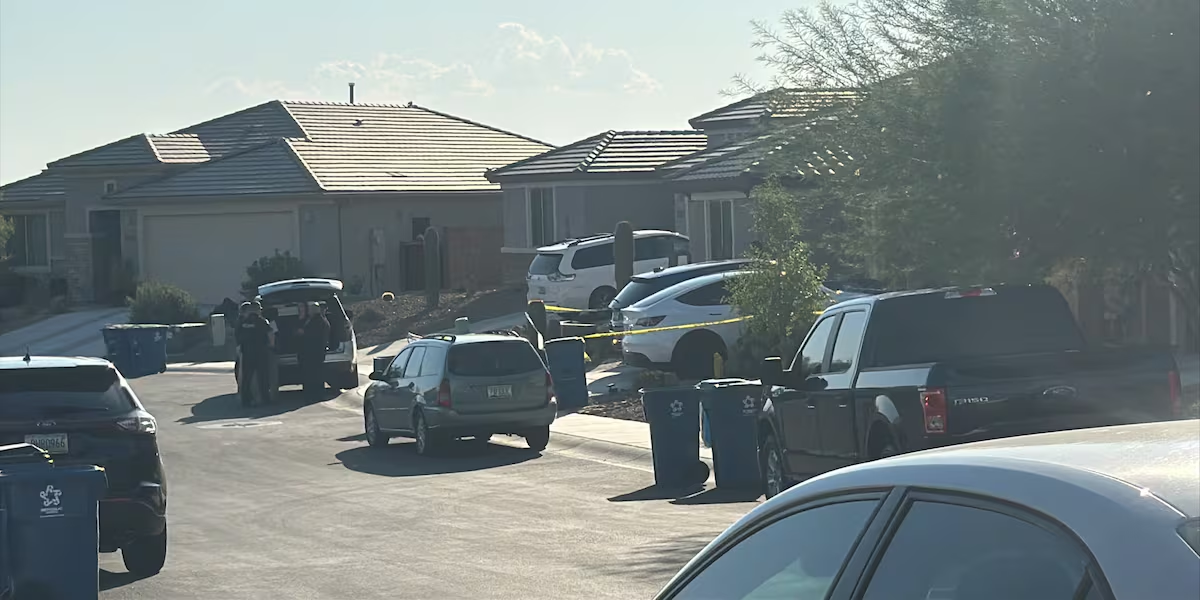
A heartbreaking tragedy has shaken the community of Lakewood, New Jersey, where a 4 Month Old Dies after being left inside a hot mini-van for over two hours. The father, Moshe Ehrlich, a 35-year-old yeshiva student, is now facing charges of child endangerment following the devastating oversight.
The incident serves as a sobering reminder of how a simple lapse in attention can result in the unimaginable loss of innocent life. As details emerge from the police affidavit and media coverage, the story paints a picture of chaos, heartbreak, and questions that may never be fully answered.
A Morning of Chaos and a Critical Mistake
The tragedy unfolded on March 18, when Ehrlich was carrying out his morning routine, which included dropping off four of his six children before heading to yeshiva.
According to an arrest affidavit, Moshe Ehrlich forgot to bring his infant son’s milk with him when leaving the house. Realizing this oversight, he made a detour after dropping off three of the children and returned home to get the milk. The fourth child had yet to be dropped off.
After retrieving the milk from home, Ehrlich returned to his vehicle—a Toyota mini-van—where his infant son was still in the backseat.
However, instead of taking the baby to the babysitter’s home, as he was supposed to, Ehrlich headed directly to his yeshiva located on Princeton Avenue. He parked the van and entered the building, leaving his four-month-old son strapped in the backseat.
For the next two hours, the van sat under direct sunlight. While outside temperatures that day reached a relatively mild 63 degrees Fahrenheit, internal temperatures in the parked vehicle reportedly rose to as high as 96 degrees—well beyond the threshold considered safe for infants.
Read : Father-Sons Trio Scaled Moonlight Buttress in Zion National Park to Hang an American Flag
Trapped in the heat, the infant suffered the full effects of hyperthermia, a condition where the body absorbs more heat than it can release, eventually leading to organ failure and death. It was only after repeated calls and messages from the babysitter and Moshe Ehrlich’s wife went unanswered that anyone began to realize something was wrong.
Read : Father Makes 3-Year-Old Daughter Fill Bowl with Tears for Watching Excess TV in China
The babysitter had texted Ehrlich’s wife to inquire about the baby’s whereabouts, prompting panic when it became clear that he had never been dropped off. Ehrlich’s wife, after seeing the messages more than an hour later, began calling her husband frantically.
Frantic Efforts and a Tragic Discovery
The situation grew more desperate by the minute. Ehrlich was unreachable, and the growing fear was that something terrible had happened to the child. In a desperate attempt to locate the baby, the babysitter’s teenage son set out to search for Moshe Ehrlich. His search led him to the yeshiva, where he discovered Ehrlich’s parked van. Tragically, the child was found unresponsive in the back seat.
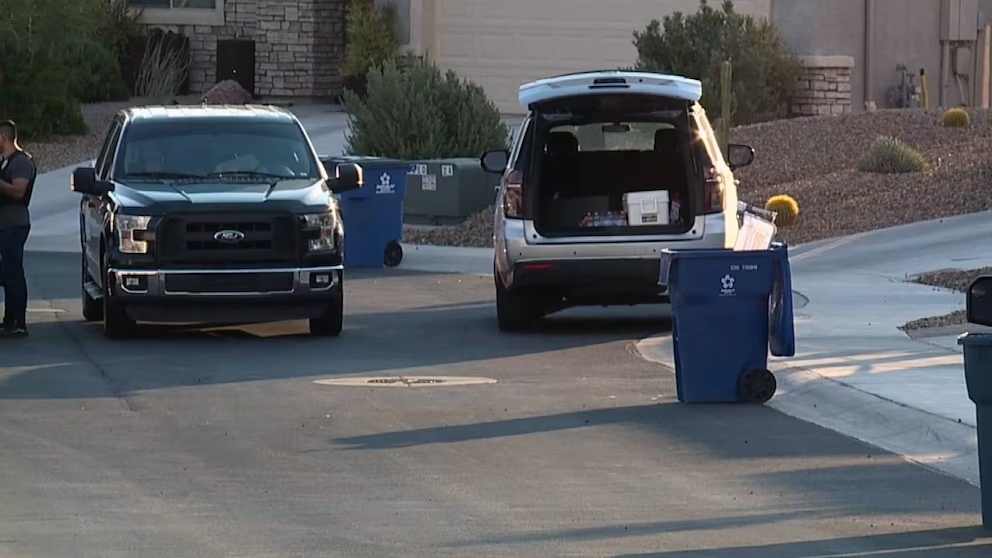
Emergency services were immediately called to the scene. Responders attempted to revive the infant before rushing him to Monmouth Medical Center Southern Campus in Lakewood. Despite their efforts, the baby was pronounced dead upon arrival. The exact duration the baby spent in the van was estimated to be more than two hours—long enough for the internal environment of the vehicle to become fatal.
The name of the infant has not been released publicly, and the family has remained silent in the aftermath of the tragedy, declining to speak with reporters or issue a public statement. The emotional toll on the family—especially on Moshe Ehrlich and his wife—can only be imagined. What was meant to be an ordinary day turned into a nightmare of unimaginable proportions.
Moshe Ehrlich voluntarily surrendered to police on March 20 and was arrested on charges of child endangerment. A judge later released him just hours after his arrest.
The legal process now begins as prosecutors assess whether further charges should be brought against him. Regardless of the court’s outcome, it is clear that Ehrlich is a father now grappling with the irreversible consequences of a momentary lapse.
A Preventable Tragedy and the Larger Conversation
This tragedy joins a grim list of incidents where young children have died after being left in hot cars. According to national safety organizations, dozens of children die each year in the United States from vehicular heatstroke.
These deaths are often labeled “forgotten baby syndrome,” a term that describes how a parent can forget a child in a car due to stress, routine changes, or distraction. While the explanation offers some psychological insight, it does not ease the pain felt by families or the anger felt by communities.
In many of these cases, the parents are not malicious or neglectful by nature. They are often loving caregivers who make one devastating mistake. That said, these tragedies often stir fierce public debate about accountability, responsibility, and whether such cases should be treated as criminal offenses or tragic accidents.
Some argue that pressing charges only adds to the immense grief the parent already carries, while others insist that the legal system must respond to protect vulnerable children and deter future negligence.
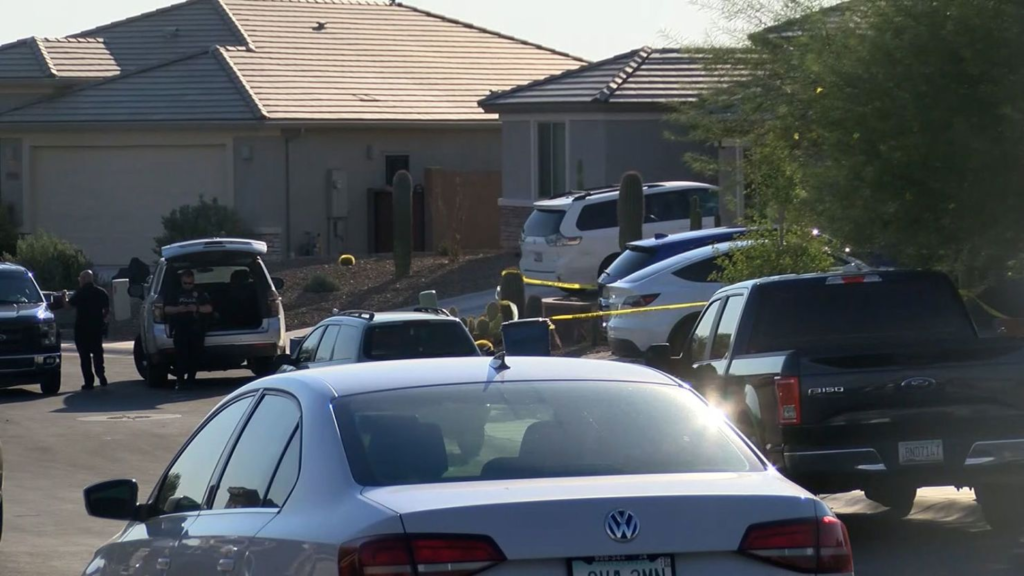
The incident in Lakewood has already ignited such discussions. Some members of the community have expressed sympathy for Moshe Ehrlich, acknowledging the demands of parenting multiple children and managing daily stressors. Others, however, have raised questions about how such a mistake could happen and why more wasn’t done to safeguard the child.
This case also spotlights the importance of awareness campaigns and technological interventions. In recent years, automakers and child safety advocates have pushed for “rear seat reminder” systems that alert drivers to check the back seat when turning off the car.
Such systems have already been implemented in several vehicle models and may become mandatory in future automotive designs. Still, awareness remains the most powerful tool. Parents and caregivers must take extra steps to develop routines that prevent such oversights—from placing personal items in the backseat to using baby reminder apps and stickers.
The emotional scars left by incidents like these are profound and long-lasting. Families often live with intense guilt, depression, and PTSD. Communities struggle to offer support while also making sense of the tragedy. For authorities and policymakers, the challenge is to find ways to prevent these incidents without vilifying grieving families.
The story of Moshe Ehrlich and his four-month-old son is one of unspeakable sorrow. It is a stark reminder of the fragility of life and the devastating power of a single forgotten moment.
As the community mourns, and the legal process unfolds, the hope is that this tragedy will prompt other parents to double-check, slow down, and always remember the precious life in the back seat.