
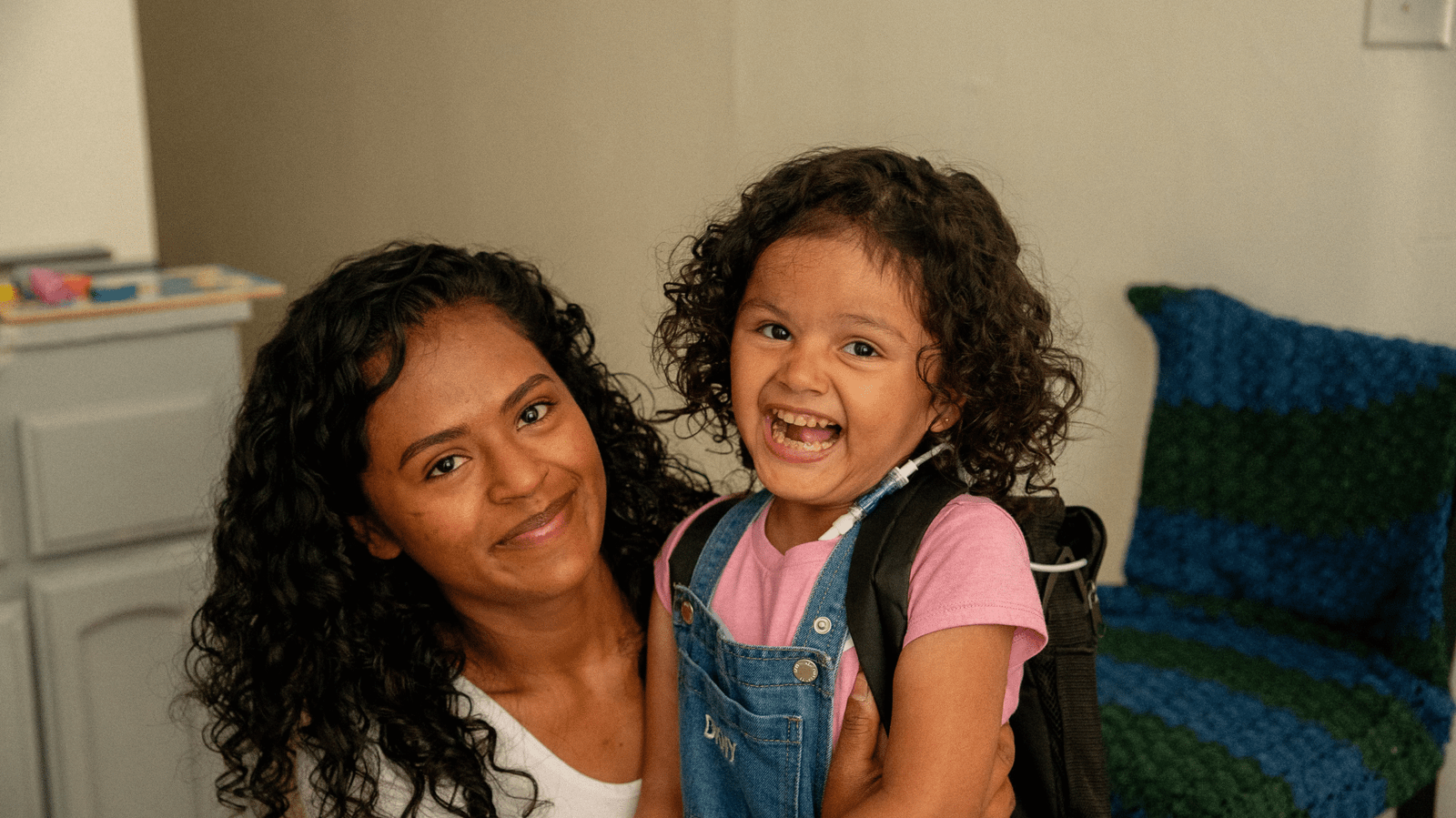
In a modest apartment in Bakersfield, California, a 4-year-old girl named S.G.V. is fighting to stay alive. Born with short bowel syndrome, a rare and life-threatening condition that prevents her body from absorbing nutrients, she relies entirely on advanced medical care and a specialized nutrition system to survive.
Her family, who legally entered the United States on humanitarian grounds in 2023, is now facing deportation—an action that doctors warn could result in her death within days. Her mother, Deysi Vargas, remembers vividly the early months of her daughter’s life.
Born a month premature in Playa del Carmen, Mexico, S.G.V. was rushed to intensive care almost immediately. After a series of six surgeries to address an intestinal blockage, doctors removed too much of her intestine, leaving her with an insufficient digestive system.
What followed were months of suffering—daily blood infections, constant hospitalizations, and a fragile body tethered to feeding tubes. At barely 2½ years old, she took her first steps—nearly a year behind schedule due to the weakness caused by her condition.
Desperate Measures for a Chance at Life
Deysi Vargas and her husband, desperate to get better treatment for their child, moved to Mexico City where the country’s best pediatric care for her condition was available. Yet, the care was not enough. Nurses often made mistakes, administering the wrong medications or failing to provide basic hygiene. One error led to a dangerous increase in glucose levels that almost cost the girl her life. They felt helpless. Her condition remained unstable, and her future looked grim.
When the Biden administration launched a humanitarian parole initiative using the CBP One app, the family saw a sliver of hope. With a scheduled appointment on July 31, 2023, they made their way to the U.S.-Mexico border in Tijuana. Their daughter’s condition was immediately evident to the border agents, who quickly arranged medical help. That very afternoon, they were rushed to Rady Children’s Hospital in San Diego.
From that moment, the course of the young girl’s life began to shift. For the first time, her body responded positively to medical intervention. She was gradually weaned off the 24-hour feeding tube.
Read : Decorated Army Soldier Jose Barco Living in US Since He Was 4 Faces Deportation
Eventually, she was referred to Children’s Hospital Los Angeles, renowned for its gastroenterology program. By September 2024, the family was living in Bakersfield, with both parents working odd jobs and their daughter discharged from the hospital—finally stable enough to attend preschool.
Read : Germany to Tighten Rules on Deporting Foreigners Who Glorify Terror Acts Amid Gaza War
The transformation was profound. Where once her mother had feared every new day, now they strolled the aisles of Walmart together. It was a life filled with promise—a life built on the stability and care that only a system like the one in the United States could provide for a condition as severe and rare as hers.
Cruel Reversal of Hope
But in April 2025, that sense of safety crumbled. The family received a notice from immigration authorities that their legal status had been terminated. The letter urged them to leave the U.S. voluntarily or face deportation. Soon after, Deysi Vargas’s work authorization was also revoked, and with her husband injured and unemployed, they were staring down the possibility of homelessness.
The threat of deportation is not just a bureaucratic matter—it is a death sentence for S.G.V. According to Dr. John Arsenault from Children’s Hospital Los Angeles, any interruption in her nutrition system could prove fatal within days.
The infrastructure required to maintain her TPN and respond to any complications exists solely within U.S.-based healthcare. No equivalent care is available in Mexico, where she previously suffered severe medical neglect and repeated infections.
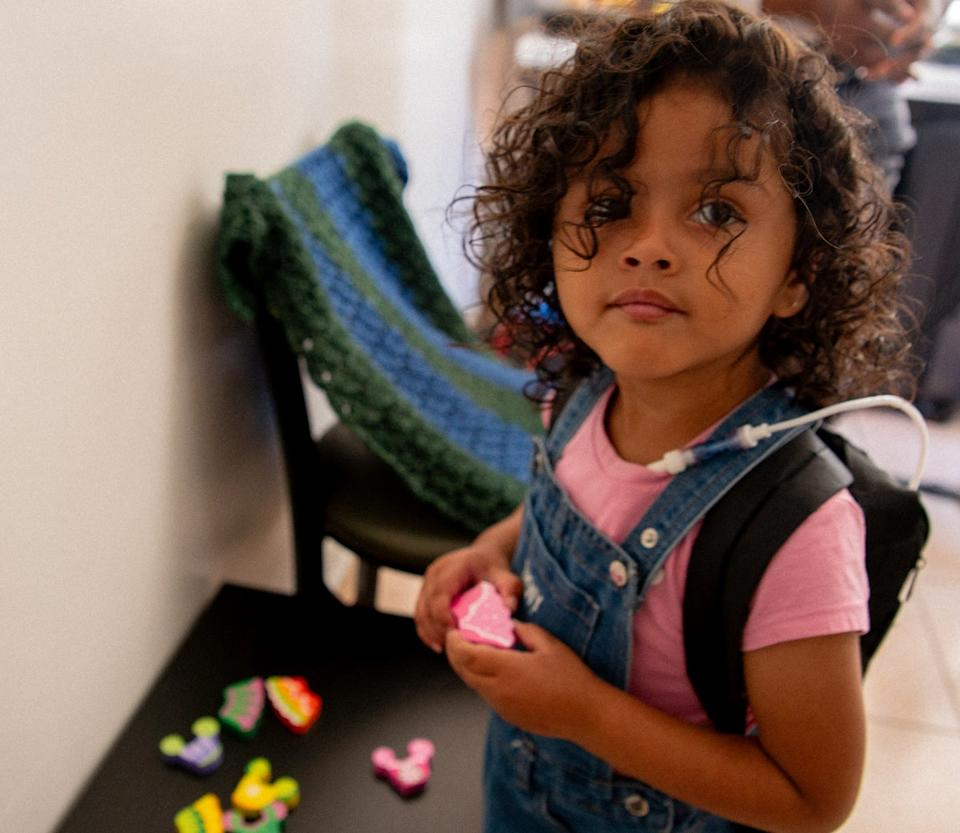
Deysi Vargas is now consumed with fear. Her daughter’s medication is stored in a small refrigerator, and every day is governed by a strict schedule of nutrition deliveries—four separate feedings, all administered through tubes.
Her preschool nurse helps during the day, and Vargas manages everything else, ensuring the tubes are flushed, secured, and never contaminated. Even bathing her child involves carefully covering her chest with a plastic sheet to prevent deadly infections.
Despite the hardships, Vargas had finally begun to see light. She found stable work cleaning a restaurant, and the family adjusted to a frugal but functional life. Their tiny home has no full kitchen—just a hot plate and a mini fridge—but it was enough. Until, suddenly, it wasn’t.
A Plea for Compassion and Justice
Their attorney, Rebecca Brown from Public Counsel, filed a petition to extend their humanitarian status. She believes the family’s termination may have been an administrative error, a mistake that could carry fatal consequences. Brown stresses that the original purpose of humanitarian parole is to protect vulnerable people exactly like this little girl.
“This is the intended purpose—to help the most vulnerable who need attention here,” Brown said. “We can avoid having harmed the child and the family.”
The Trump administration, however, has taken a hardline approach to Biden-era immigration policies. One of Trump’s early executive orders aimed to limit the use of parole to extreme circumstances. Although Trump has emphasized deporting criminals, his policies have affected thousands with no criminal history—families like the Vargases, who came to the U.S. legally, seeking only to save their daughter’s life.
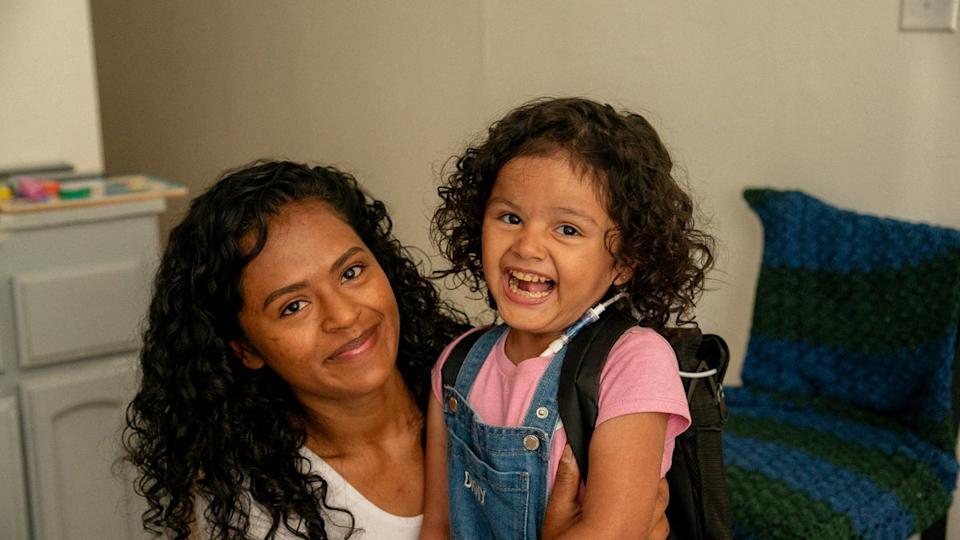
In many ways, the Vargases represent what the American immigration system claims to value: lawful entry, humanitarian need, and self-sufficiency. They are not asking for permanent residence, only for the right to stay while their daughter receives life-saving treatment. They want to return home once she no longer requires daily medical intervention. But if they are forced to leave now, there may be no future to return to.
As the immigration system under the Trump administration shifts to restrict parole access, many who entered through the CBP One app are receiving similar notices—orders to leave voluntarily or face prosecution. The app itself has been rebranded as CBP Home, which now serves as a tool to facilitate self-deportation. It sends a chilling message: Leave or we will find you.
Vargas is doing everything in her power to comply with the system, but her daughter’s life is hanging in the balance. The family eats once a day to make ends meet, prioritizing rent, utilities, diapers, and medical supplies. Their modest apartment holds nothing but the essentials, and every day is a delicate dance between hope and despair.
On a recent morning, as she dressed her daughter for school, Vargas made sure the IV lines were secure, the nutrition pack in her backpack full, and her hair still wet from a quick shower. A Hello Kitty shirt and Puma sneakers gave her the appearance of any other joyful child—except that this little girl walks with the weight of her own survival strapped to her back.
The United States has long positioned itself as a sanctuary for the vulnerable, a place where compassion meets justice. In this case, the decision to deport could cost a child her life. The choice is stark: uphold a promise of humanitarian protection, or become complicit in a needless tragedy.
This is not a political debate—it is a human one. And time is running out.