
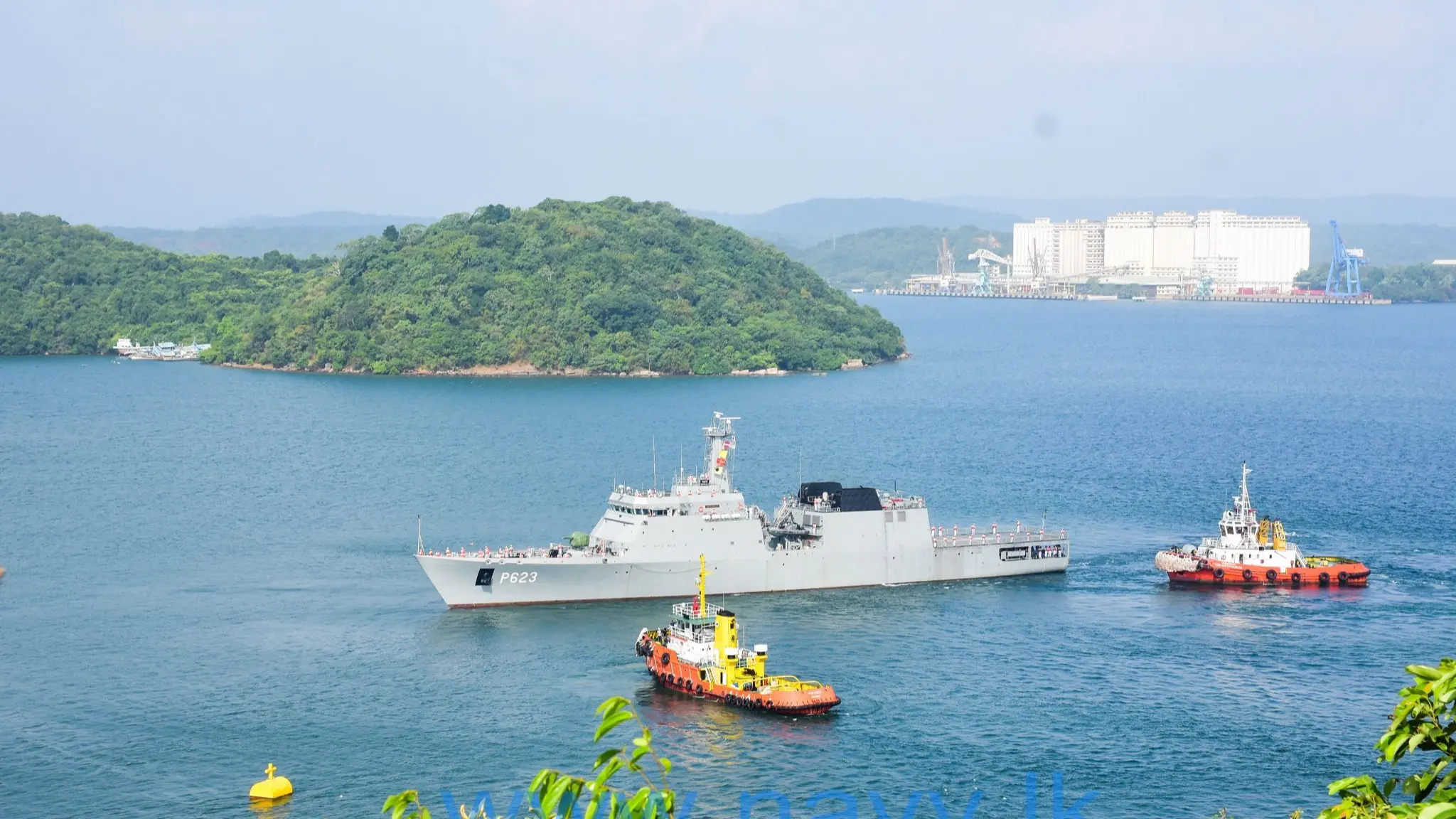
The long-standing conflict between Indian fishermen and the Sri Lankan Navy has once again escalated following a recent incident of firing near Delft Island.
This unfortunate event resulted in five Indian fishermen sustaining injuries, two of whom are seriously hurt. India’s Ministry of External Affairs (MEA) responded swiftly, summoning Sri Lanka’s acting high commissioner to register a strong protest.
The episode underscores the ongoing disputes over fishing rights in the Palk Strait and highlights the need for urgent, lasting solutions.
The Incident Near Delft Island
On a seemingly routine fishing expedition near Delft Island, 13 Indian fishermen faced a distressing confrontation with the Sri Lankan Navy. In the early hours of the day, the navy reportedly opened fire, leaving five fishermen injured.
Among the injured, two sustained severe wounds and were promptly hospitalized at Jaffna Teaching Hospital, while the others received treatment for minor injuries.
India’s response was prompt and firm. The MEA issued a statement condemning the use of force, emphasizing that such actions are “unacceptable under any circumstances whatsoever.” Indian consulate officials in Jaffna immediately visited the injured fishermen, providing necessary assistance and ensuring their well-being.
Read : Video Shows Elephant Collecting Tax in Sri Lanka: Watch
The government of India reiterated its longstanding stance that fishermen’s disputes must be addressed humanely, considering the livelihood concerns of those involved.
Read : Fisherman in Greenland Caught a Bizarre Fish with Three Eyes
The Indian High Commission in Colombo also engaged with the Sri Lankan foreign ministry to highlight the gravity of the situation. This incident not only caused injuries but also reignited tensions over fishing rights in the region, which have been a recurring point of contention between the two nations.
Diplomatic Efforts and Past Incidents
The firing near Delft Island is not an isolated event but part of a series of disputes involving Indian fishermen and the Sri Lankan Navy.
Over the years, the Palk Strait has been a hotspot for such confrontations, with fishermen from Tamil Nadu frequently venturing into contested waters. The area’s rich marine resources make it an important fishing ground, but overlapping territorial claims have led to repeated clashes.

Earlier in September 2024, the Sri Lankan Navy detained 41 Indian fishermen near Katchatheevu, a small islet ceded to Sri Lanka in 1974. Among them, 35 fishermen hailed from Ramanathapuram district in Tamil Nadu.
Their arrest sparked widespread protests and demands for their release, with interventions from both the central and Tamil Nadu governments eventually securing their repatriation.
Similarly, in January 2024, 15 Indian fishermen who had been detained in previous incidents were released and returned to Chennai. These fishermen had been arrested on charges of cross-border fishing near Mannar Island and Nagapattinam.
Each episode highlights the precarious nature of fishing livelihoods in the region and the necessity for continued diplomatic engagement to prevent further incidents.
Despite these efforts, the recurring arrests, detentions, and violent encounters reveal the lack of a comprehensive resolution to the issue. The Indian government has consistently advocated for adherence to existing agreements and humane treatment of fishermen. However, the Sri Lankan Navy has often justified its actions by citing the need to protect its territorial waters and marine resources.
The Need for a Lasting Resolution
The recent firing incident has once again brought the spotlight on the unresolved disputes over fishing rights in the Palk Strait. For decades, fishermen from Tamil Nadu have ventured into Sri Lankan waters, often inadvertently, in pursuit of better catches.
These waters, particularly near Katchatheevu and Delft Island, are rich in marine life, making them highly lucrative for Indian fishermen. However, Sri Lanka views such activities as violations of its sovereignty, leading to arrests, detentions, and confrontations.
Both nations have made attempts to address the issue. Agreements such as the Indo-Sri Lankan Accord of 1974 and subsequent bilateral talks have aimed to define maritime boundaries and regulate fishing activities.
However, these measures have failed to address the root causes of the conflict. The fishermen’s reliance on traditional fishing practices, coupled with the depletion of resources in Indian waters, often drives them into contested areas.
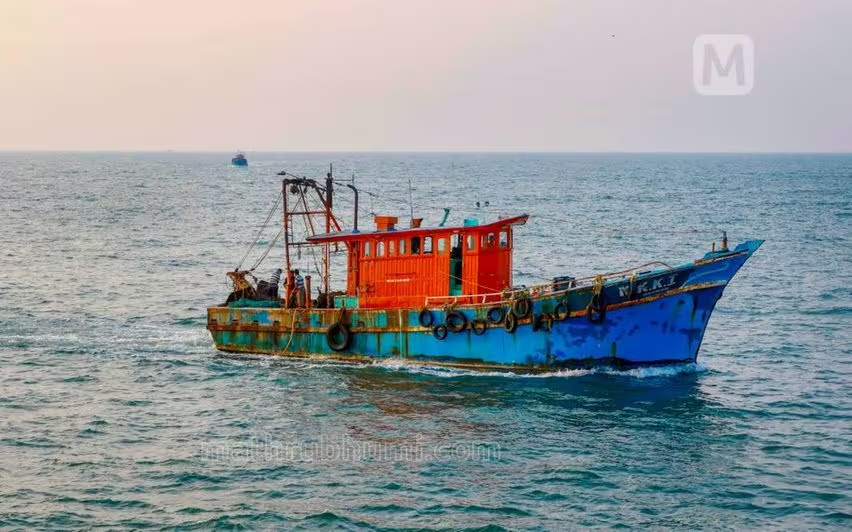
The Indian government has repeatedly emphasized the need for humane and humanitarian approaches to resolve these disputes. Diplomacy plays a crucial role, but so does the implementation of sustainable fishing practices and alternative livelihood options for affected fishermen. Programs to educate and support fishermen, coupled with stricter enforcement of maritime boundaries, could help reduce tensions.
The recent firing incident also raises questions about the use of force by the Sri Lankan Navy. While protecting territorial waters is a legitimate concern, the use of violence against unarmed fishermen is widely condemned. India has called for strict adherence to existing agreements and urged Sri Lanka to handle such matters with sensitivity.
Efforts must also be made at the community level. Establishing dialogue between fishermen from both countries could foster mutual understanding and reduce conflicts. Joint initiatives for sustainable fishing and conservation could create a shared sense of responsibility for the region’s marine resources.
The firing near Delft Island serves as a stark reminder of the challenges faced by fishermen in the Palk Strait. It underscores the urgent need for India and Sri Lanka to work together toward a lasting resolution. Diplomatic engagements, adherence to agreements, and community-level interventions are essential to address the complex dynamics of fishing rights and maritime disputes.
While the Indian government’s swift response to the incident highlights its commitment to protecting its citizens, the recurring nature of such conflicts calls for proactive and sustained efforts. The livelihoods of countless fishermen depend on the resolution of these issues, and both nations must prioritize their welfare while respecting each other’s sovereignty.
India’s strong protest and ongoing diplomatic efforts reflect its resolve to safeguard its fishermen. However, the path to a lasting resolution requires collaboration, empathy, and a commitment to finding common ground.