

The issue of illegal border crossings has been a growing concern between Afghanistan and Pakistan, with an increasing number of Afghan children attempting to enter Pakistan in search of work and better living conditions. In a recent incident, 53 Afghan children who had illegally crossed the border through the Khyber district were sent back to Afghanistan.
According to officials, these children cut the border fencing to enter Pakistan, hoping to find employment opportunities. The authorities at the Torkham border crossing facilitated their return, and they were handed over to Afghan authorities on Sunday.
This incident highlights the broader problem of illegal migration, particularly involving minors, and raises concerns about the socio-economic challenges faced by Afghan families that push children to undertake such perilous journeys.
Growing Trend of Afghan Children Attempting to Cross the Border
Illegal border crossings by Afghan children have become increasingly frequent in recent years. According to border officials, approximately 700 such attempts occur daily, indicating the desperate conditions that force these children to take such risks.
Many Afghan families are struggling with extreme poverty, unemployment, and insecurity, prompting them to send their children to Pakistan in search of work. Some children, motivated by economic necessity, attempt to cross the border multiple times despite being caught and sent back.
The Torkham border crossing, one of the main entry points between Pakistan and Afghanistan, has witnessed a surge in illegal crossings since the Taliban took over Afghanistan in 2021.
With the country facing economic collapse, many families have been left with no option but to send their children to work in neighboring countries. These children often work as laborers in factories, construction sites, or as street vendors in major Pakistani cities such as Peshawar and Karachi.
Read : Poland is Accusing German Police Over Dropping Afghan Migrants Across the Border
Despite the tightening of border security and the reinforcement of fencing along the Pakistan-Afghanistan border, Afghan children continue to find ways to cross. Smugglers and human traffickers have also taken advantage of this situation, charging desperate families large sums of money to help their children cross the border illegally.
Read : Six Killed After Roof Collapses at Afghan Refugee Camp in Karachi
Many children are subjected to dangerous conditions during their journey, facing threats from border security forces, exploitation by traffickers, and even extreme weather conditions.
Reasons Behind the Increasing Number of Afghan Child Migrants
The increasing number of Afghan children attempting to cross the border into Pakistan highlights the severity of the humanitarian crisis in Afghanistan. Several factors contribute to this growing trend, including economic instability, unemployment, and the lack of basic services.
Afghanistan has been in a state of turmoil for decades, with ongoing conflicts, political instability, and economic collapse making it difficult for families to sustain themselves.
Since the withdrawal of U.S. forces and the Taliban’s return to power in 2021, the Afghan economy has been on the brink of collapse. International aid has significantly decreased, leading to food shortages and increased poverty rates. The economic downturn has forced many families to resort to child labor as a means of survival.
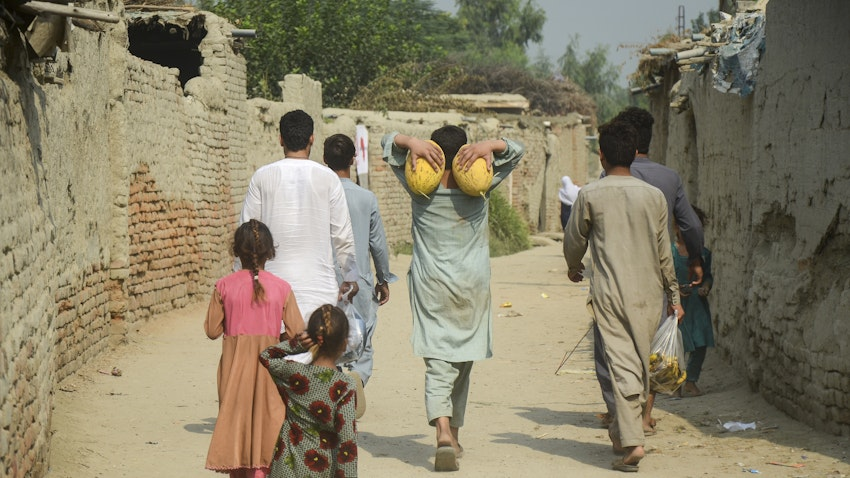
Furthermore, Afghanistan’s education system has suffered greatly due to prolonged instability. Many schools have closed, and educational opportunities for children, especially girls, have been severely restricted.
As a result, parents see little benefit in keeping their children in Afghanistan without access to education and employment. Instead, they send them to Pakistan, hoping they can earn money and support their families back home.
Another major factor driving this crisis is the lack of security in Afghanistan. The country continues to experience violence and targeted attacks, making it unsafe for many families, especially in rural areas.
Children who cross into Pakistan often come from regions where Taliban rule has imposed strict regulations, further limiting opportunities for education and employment. Many families view migration as the only viable option for their children’s future.
Additionally, Pakistan has historically been a destination for Afghan refugees. Millions of Afghans have sought refuge in Pakistan over the years, with many integrating into local communities. This longstanding migration pattern has encouraged more Afghan children to attempt crossing the border illegally, believing they can find better opportunities in Pakistan.
Challenges Faced by Afghan Children Deported from Pakistan
The deportation of Afghan children from Pakistan presents several challenges for both the children and Afghan authorities. Once these children are sent back, they often face significant difficulties in reintegrating into their communities.
Many return with little to no money, having failed to find work in Pakistan. Their families, already struggling with poverty, may not be able to support them, leaving them vulnerable to further attempts at illegal migration.
The Afghan government and humanitarian organizations have struggled to provide adequate support for deported children. The lack of proper infrastructure, shelters, and rehabilitation programs means that many of these children are left without any assistance upon their return.
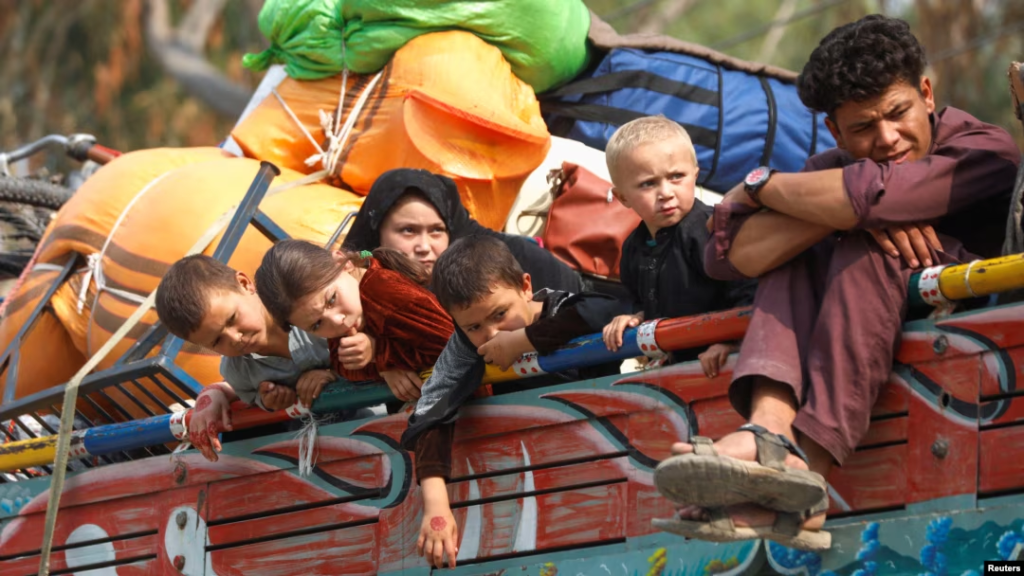
Some may end up on the streets, where they are exposed to exploitation, abuse, and other dangers. Another challenge is the psychological impact of deportation. Many of these children undertake dangerous journeys, facing hardships such as hunger, exhaustion, and threats from smugglers or security forces.
Being caught and deported can be a traumatic experience, leaving them with feelings of fear and hopelessness. Without proper mental health support, these children are at risk of long-term psychological distress.
Furthermore, the growing number of deportations is straining relations between Afghanistan and Pakistan. While Pakistan has the right to enforce its border laws, the humanitarian aspect of the crisis cannot be ignored.
Afghan authorities have called for more cooperation and assistance from the international community to address the root causes of migration and provide support for affected families.
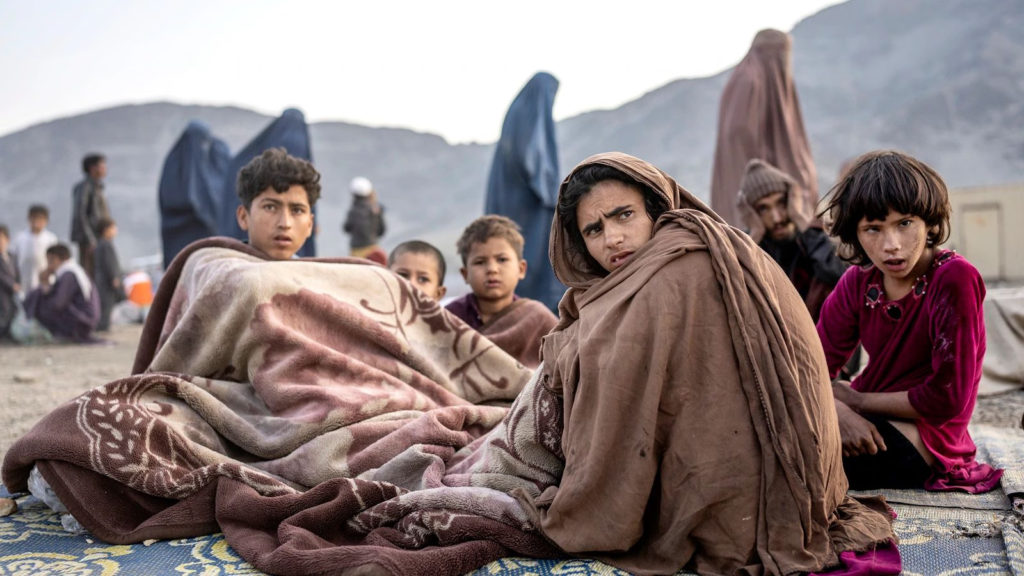
Addressing this crisis requires a multi-faceted approach. The Afghan government needs to work towards improving economic conditions, expanding education opportunities, and ensuring security to discourage children from attempting illegal migration.
At the same time, Pakistan must implement policies that provide protection and support for vulnerable Afghan children rather than resorting to mass deportations. International organizations and humanitarian agencies also play a crucial role in addressing this issue.
More efforts are needed to provide aid, create job opportunities, and support educational programs in Afghanistan to reduce the need for child migration. Cross-border cooperation between Afghanistan and Pakistan is essential to finding long-term solutions that prioritize the well-being of children.
The return of 53 Afghan children who illegally entered Pakistan is just one example of a much larger problem. Without immediate and effective measures, the cycle of illegal migration, deportation, and suffering will continue, affecting thousands of children in the region. Ensuring the safety and well-being of Afghan children should be a priority for both governments and the international community.