
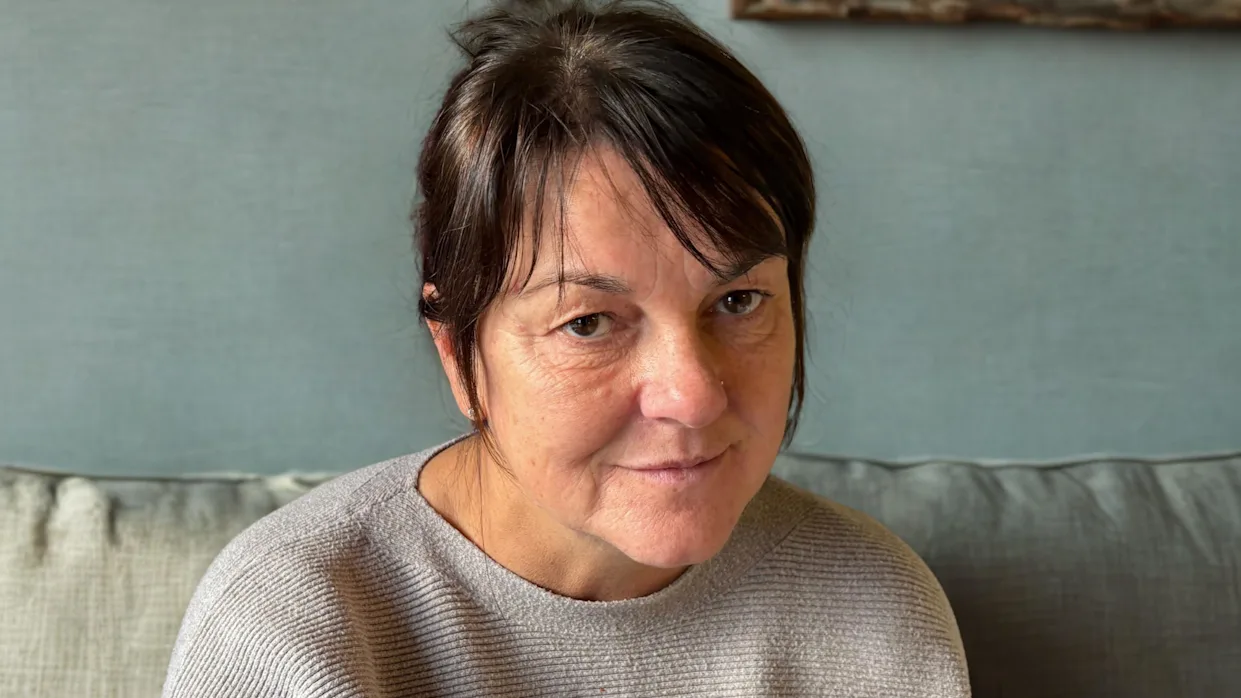
The case of 53-year-old Erica Hay from Balby in South Yorkshire underscores the profound and lasting consequences that can arise from an inaccurate medical diagnosis, particularly when the suspected condition is as grave as cancer. In 2020, during the height of the COVID-19 pandemic, Hay underwent life-altering surgery after being told she was almost certain to have lung cancer.
Two weeks later, she learned she had never had the disease. Her experience, which has since drawn significant attention, illuminates the challenges faced by both patients and clinicians during an unprecedented period in healthcare, while raising critical questions about diagnostic decision-making under crisis-driven constraints. The story is also a deeply personal one, marked by physical, emotional, and professional repercussions that continue to affect Hay’s everyday life.
The Circumstances Leading to a Devastating Diagnosis
In July 2020, Erica Hay sought medical attention at Doncaster Royal Infirmary after experiencing persistent pain in her shoulder and chest. As an NHS worker for more than three decades, she understood the importance of reporting concerning symptoms. After undergoing initial assessments, doctors informed her that they were “99.9% certain” she had cancer. The lack of an available biopsy — a direct result of restrictions imposed during the COVID-19 pandemic — meant that clinicians relied heavily on imaging and other indirect indicators.
With hospital resources strained and standard pathways disrupted, the level of diagnostic certainty was conveyed in absolute terms that provided little room for doubt. For Erica Hay, the psychological impact was immediate and overwhelming. The sudden shift from routine discomfort to what appeared to be a life-threatening condition forced her into a harrowing position: she had to return home and explain the news to her three children and her parents.
She later described breaking down as she confronted the possibility of her own mortality, noting that hearing the word “cancer” made her believe she was facing an inevitable outcome. Like many patients who receive life-altering medical news, she experienced a whirlwind of fear, grief, and uncertainty. The emotional distress extended across her entire family, each of whom was forced to contemplate a future shadowed by the threat of an aggressive illness.
As weeks passed, the absence of a biopsy-guided confirmation remained a significant but unavoidable limitation of the pandemic-era care environment. Diagnostic services worldwide were constrained as hospitals prioritized COVID-19 response measures. For patients with suspected cancer, timely diagnosis and intervention are typically paramount; however, the exceptional circumstances of 2020 routinely disrupted these established protocols. Clinicians, often forced to make decisions with incomplete data, faced substantial pressure to act swiftly. In Erica Hay’s case, the conclusion reached carried profound and irreversible consequences.
Surgery and the Emotional Toll of an Unnecessary Procedure
With the suspected cancer diagnosis standing unchallenged and no further diagnostic tools available, the medical team recommended the removal of the lower lobe of Hay’s right lung. In September 2020, she underwent the operation, a major surgical intervention generally reserved for confirmed malignancies. The procedure was expected to increase her chances of survival by removing what was believed to be a cancerous mass.
The recovery process after lung surgery is often demanding, involving pain management, reduced mobility, and significant respiratory rehabilitation. Erica Hay faced these challenges while still believing she had narrowly escaped a potentially terminal diagnosis. The emotional burden of the preceding months had already drained her, and the physical strain of surgery added another layer of difficulty.
Read : Hurling Star DJ Carey Jailed for Fake Cancer Scam Exploiting Friends, Family and Fans
Two weeks after the operation, however, the truth emerged. During her post-operative review, the surgeon informed her that she was, in fact, among the very small percentage of patients whose suspected malignancy turned out to be benign. The mass in her lung was caused not by cancer but by an infection consistent with pneumonia. This revelation produced a complex mix of relief, shock, and frustration. While she was grateful not to be facing cancer, she was confronted with the knowledge that she had undergone an invasive, life-altering procedure that had ultimately not been necessary.
Read : Large Number of Lung Cancer Patients in India Never Smoked: Lancet Study
The immediate psychological impact of this news was considerable. Erica Hay likened the emotional whiplash of learning she did not have cancer to the initial devastation of being told she did. The sense of relief was tempered by the reality that she had endured major surgery — and its long-term consequences — for a condition that could have been treated with medication. She also faced the difficult realization that the damage to her lung function was likely permanent.
Long-Term Consequences, Professional Impact, and Accountability
Following the surgery, Erica Hay experienced significant respiratory decline. Although she had lived with asthma since the age of 17, she reported that her breathing difficulties escalated dramatically after the procedure. Routine activities such as walking into the kitchen or engaging in normal conversation became exhausting.
She described sensations ranging from an overwhelming heaviness in her chest to the feeling that her body was reliving the surgical trauma. These symptoms affected nearly every aspect of her daily life, from household tasks to her role as a mother and wife. She expressed deep personal frustration, noting that her limitations sometimes made her feel inadequate despite her efforts to adapt.
Professionally, the impact has been substantial. Having spent more than 30 years working in the NHS, most recently as a neonatal nurse assistant at Doncaster Royal Infirmary, Erica Hay found that her respiratory challenges interfered with the demands of her job. The cumulative strain led her to consider taking early retirement on health grounds. For someone deeply committed to her profession, the prospect of stepping away due to preventable harm added another layer of emotional complexity.

Recognizing the severity and avoidability of the situation, Erica Hay pursued a clinical negligence claim through Medical Solicitors, a Sheffield-based firm. The case was ultimately settled, although the hospital trusts involved did not admit liability or causation. The resolution provided some degree of closure but did not negate the physical and emotional consequences she continues to face.
The healthcare institutions connected to Hay’s care subsequently issued public statements acknowledging the distress she experienced. Dr. Nick Mallaband, Acting Executive Medical Director at Doncaster and Bassetlaw Teaching Hospitals NHS Trust, expressed regret on behalf of the organization. He also noted that the events took place during the most challenging period of the COVID-19 pandemic, when diagnostic processes were deeply affected by unprecedented pressures. While acknowledging the context, the statement emphasized the importance of learning from the case and improving clinical communication and processes to prevent similar occurrences.
The trust outlined measures implemented since the incident aimed at strengthening patient engagement and ensuring that concerns are addressed promptly and thoroughly. These steps form part of a broader effort to enhance patient safety and diagnostic accuracy, particularly in times of systemic strain. Nonetheless, the acknowledgment also served as a reminder that even well-intentioned actions taken under extraordinary circumstances can lead to significant harm when critical diagnostic uncertainties are overlooked or inadequately managed.
Hay’s story raises important considerations about medical practice in crisis conditions, informed consent, and the balance between precaution and risk when dealing with potentially life-threatening diagnoses. The pandemic forced healthcare providers to make rapid decisions with limited information, yet cases like this underscore the necessity of maintaining rigorous evaluation standards even under pressure. Diagnostic certainty remains a cornerstone of responsible medical intervention, especially when the proposed treatment carries significant long-term consequences.
For patients, the psychological impact of such experiences can be enduring. The trauma of believing one has cancer, followed by the trauma of an unnecessary major operation, compounded by lasting physical impairment, creates a complex emotional landscape. Hay’s willingness to share her experience sheds light on the invisible weight carried by individuals who survive medical crises but continue to navigate their aftermath. It also illustrates the importance of institutional transparency and patient advocacy in ensuring that avoidable errors are identified and addressed.
As she continues to live with the effects of the surgery, Hay remains grateful for the fact that she does not have cancer. Yet the gratitude coexists with the reality of a life permanently altered by a procedure she did not need. Her case stands as a poignant example of how medical errors, even those shaped by exceptional circumstances, can reshape a patient’s future in profound ways.
Tham gia chơi tại xn88 không chỉ đem lại cơ hội cá cược hấp dẫn mà còn đi kèm với nhiều ưu điểm nổi bật giúp nâng cao trải nghiệm của người chơi. TONY03-11O