
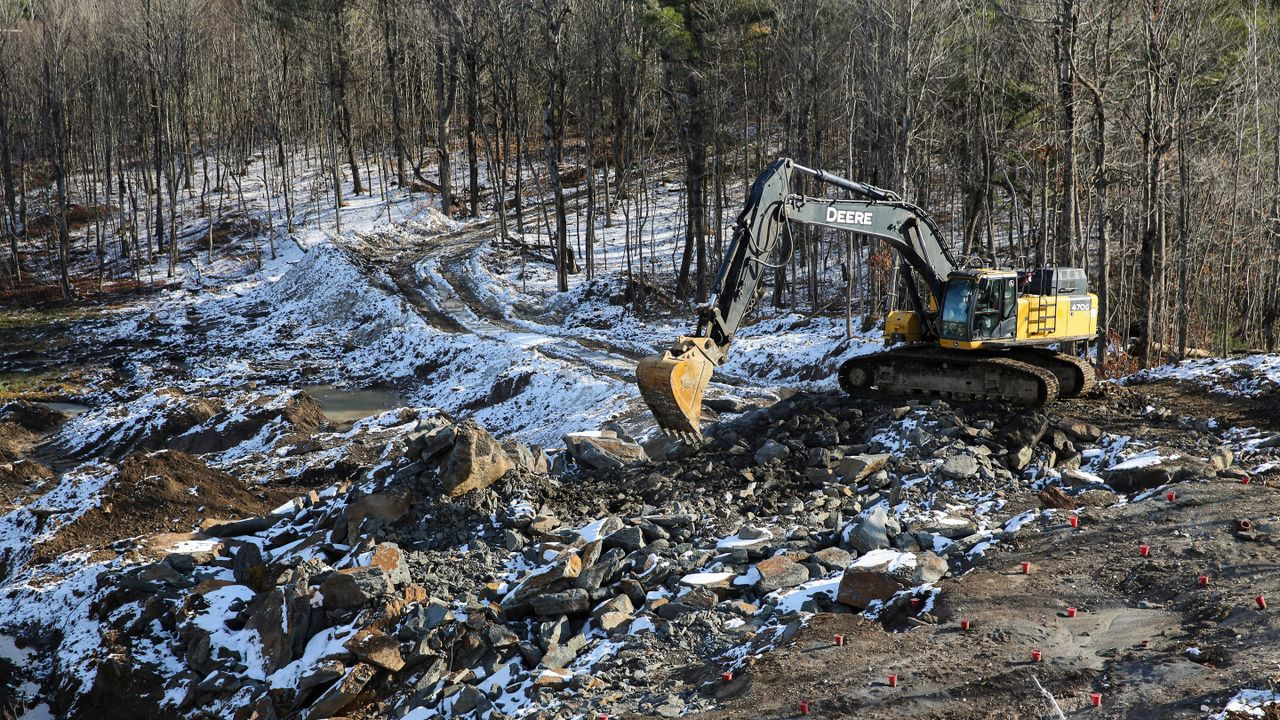
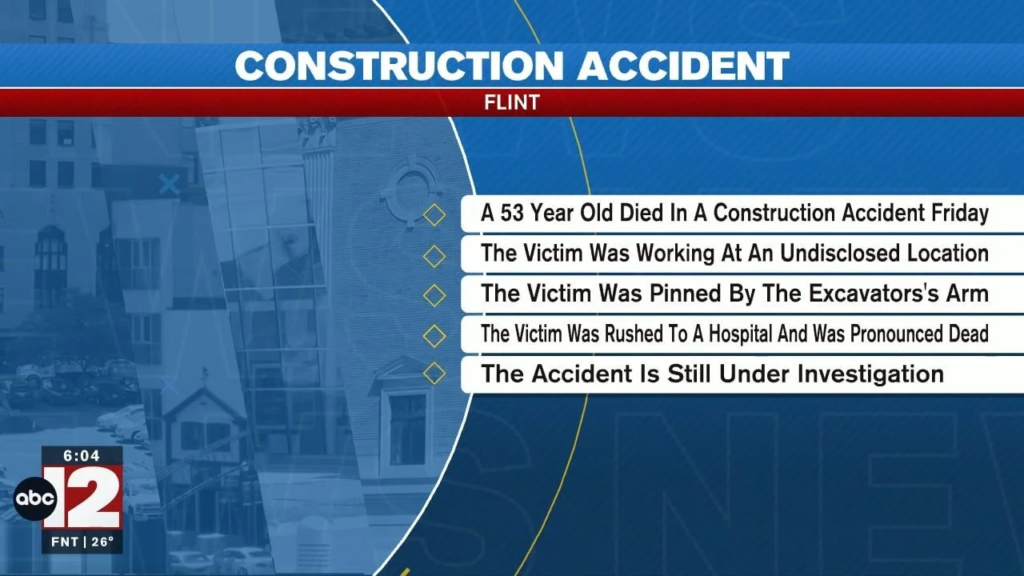
The death of a 53-year-old worker at the RJ Industrial Recycling scrap yard in Flint, Michigan, on February 6 has drawn renewed attention to the persistent dangers faced by industrial workers across the United States. According to an official report filed by the Michigan Occupational Safety and Health Administration, the fatal incident occurred during a routine maintenance task involving heavy equipment. What began as an attempt to reinstall a pin on an excavator arm ended in a fatal crushing injury when the machine’s components shifted during operation. The worker was transported to Hurley Medical Center following the incident but was later pronounced dead.
The event unfolded in an environment defined by massive machinery, moving components, and the constant pressure of industrial production. Two workers had positioned themselves in the bucket of a front-end loader while attempting to align and reinstall the pin. A third worker, operating the loader, attempted to assist by repositioning the excavator arm. During this process, the excavator cab and arm rotated, trapping one of the workers between the arm and the bucket. The force of the equipment left no opportunity for escape. Within moments, a routine maintenance procedure became a fatal accident.
The scrapyard where the incident occurred is strategically located amid the remnants of Flint’s once-dominant auto industry. RJ Industrial Recycling has long described itself as a major player in asset recovery, demolition, and metal recycling, serving sectors that range from automotive manufacturing to shipping and energy. Yet the fatal accident has placed renewed scrutiny on the safety conditions surrounding industrial maintenance tasks that are performed daily across such facilities.
Investigations into the incident remain ongoing, with authorities yet to release comprehensive findings or determine whether safety protocols were followed or violated. This fatality is not an isolated case. It is one among a growing number of industrial workplace deaths reported across Michigan in recent years. The accumulation of such incidents has fueled broader concerns about systemic risks in industrial environments, the adequacy of regulatory oversight, and the prolonged timelines of official investigations.
The Circumstances of the Fatal Incident
The maintenance work being performed at the scrapyard was not unusual. Reinstalling pins on excavator arms is a routine requirement in heavy machinery operations, particularly in industries that rely on continuous equipment use under demanding conditions. These procedures are typically governed by established safety standards, including requirements for equipment immobilization, secure positioning of workers, and coordination between machine operators and maintenance personnel. When followed properly, such procedures are intended to minimize the risk of unintended machine movement.
In this case, the positioning of two workers inside the bucket of a front-end loader placed them directly within the range of moving mechanical components. As the third worker attempted to adjust the excavator arm to assist with alignment, the rotation of the cab and arm created a sudden and deadly pinch point. The victim was trapped between the arm and the bucket, where the immense force of the machinery caused fatal injuries.
Emergency medical responders transported the worker to Hurley Medical Center, but the severity of the crushing injury proved unsurvivable. The rapid sequence of events highlights how even brief or minor machine movements can produce catastrophic consequences when workers are positioned within confined mechanical spaces.
Read : Who is Brian Fransen, Coleharbor Farmer Set to Appear in Budweiser’s 2026 Super Bowl Ad?
The fatal incident occurred at a facility that has previously faced regulatory scrutiny. In 2023, the company reached a settlement with the Environmental Protection Agency over violations of the Clean Air Act, paying civil penalties and agreeing to install pollution capture and control systems to reduce emissions of inhalable metallic particulate matter. While the environmental violations are separate from workplace safety conditions, the regulatory history has intensified public interest in how the facility manages operational risks.
Read : First Time in Indian Military History: Two Classmates Will Serve as Army and Navy Chief Together
As of now, investigators have not publicly detailed whether equipment lockout procedures were implemented, whether communication protocols were followed, or whether any mechanical failure contributed to the event. Such information typically emerges only after lengthy investigative processes, leaving families, coworkers, and the public waiting months or even years for definitive conclusions.
A Pattern of Industrial Workplace Fatalities
The Flint scrapyard death is part of a broader pattern of industrial workplace fatalities in Michigan. Only weeks earlier, on January 10, a 26-year-old tow truck helper named Daniel Evans suffered fatal injuries while delivering a scrapped forklift to a recycling center in Greenville. According to official reports, Evans became trapped between a tow truck flatbed carriage and the cab while attempting to resolve resistance encountered during equipment repositioning. The crushing force caused a fatal head injury, and he was pronounced dead at the scene.
Both incidents involved heavy machinery, routine operational tasks, and sudden mechanical movement that resulted in fatal crushing injuries. These similarities have raised concerns about systemic hazards associated with equipment handling, maintenance procedures, and the physical proximity of workers to moving industrial components.
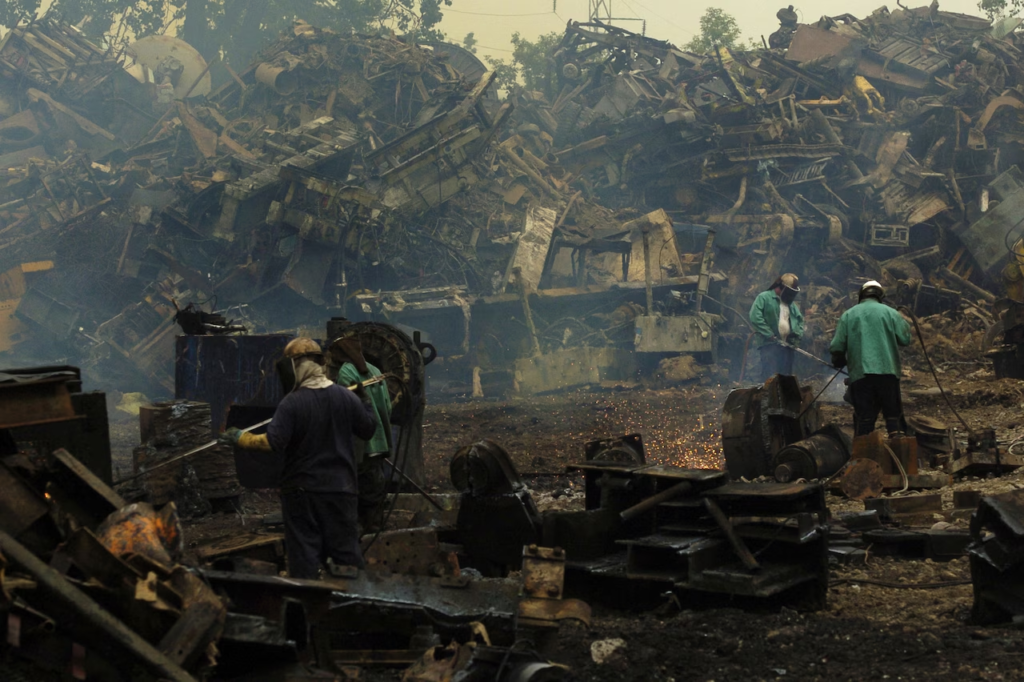
Statistical data underscores the scale of the issue. In Michigan alone, 44 workers died in workplace incidents during 2025, representing a significant increase compared to the previous year. National figures are even more stark. Federal labor statistics have recorded thousands of fatal workplace injuries annually, alongside a far greater number of deaths attributed to occupational diseases. These figures reflect a persistent reality in which industrial production continues alongside measurable risks to worker safety.
Industrial environments inherently involve hazards, but safety systems are designed to control and mitigate those risks. When fatalities occur during routine operations, questions inevitably arise regarding whether safety procedures were inadequate, improperly implemented, or ignored altogether. Each fatal incident not only represents a personal tragedy but also contributes to a growing body of evidence suggesting that preventable risks remain embedded within industrial workplaces.
The recurrence of crushing injuries is particularly notable. Heavy equipment, hydraulic systems, and mechanical arms create numerous potential pinch points. When workers must perform maintenance within confined spaces, the margin for error becomes extremely narrow. Even minor miscommunication, equipment drift, or unintended movement can produce life-threatening conditions in seconds.
Investigations, Accountability, and Ongoing Concerns
Official investigations into workplace fatalities are intended to determine causes, assign responsibility, and recommend corrective measures. However, the investigative process is often lengthy and opaque. Families and coworkers frequently receive limited information while inquiries remain open, and final findings may emerge long after production has resumed and public attention has shifted elsewhere.
Read : Hyden Farms Resident Jessica Ensley Fined $150 for Takeout Bag Blowing Into Street
In many cases, investigations focus on immediate technical causes rather than broader systemic conditions. Mechanical movement, procedural lapses, or operator actions may be identified, but the organizational factors that shape workplace safety—such as training standards, workload pressures, or maintenance scheduling—can remain less visible. The complexity of industrial systems often makes it difficult to isolate a single definitive cause, resulting in findings that emphasize compliance failures without fundamentally altering operational structures.
The death of a machine repairman at an engine complex in Michigan less than a year earlier illustrates these concerns. During maintenance work inside an enclosed factory cell, an overhead gantry crane crushed the worker while he serviced an industrial washer. Production resumed shortly after the incident, and the investigation remained open for months with limited public disclosure. Testimony gathered independently suggested deficiencies in lockout and tagout procedures—critical safeguards designed to prevent equipment activation during maintenance.
Such cases reinforce the perception that investigations can proceed slowly while industrial operations continue uninterrupted. Regulatory agencies possess the authority to impose penalties or mandate corrective actions, yet enforcement outcomes often involve limited fines or procedural adjustments that do not fully address systemic risks. The continuation of production during prolonged investigations further complicates public confidence in the effectiveness of regulatory oversight.
For workers and their families, the most immediate reality is the human cost. Each fatal incident leaves behind personal loss, disrupted livelihoods, and unanswered questions about whether the tragedy could have been prevented. For the broader workforce, recurring fatalities contribute to an atmosphere of uncertainty regarding the reliability of safety protections in high-risk environments.
As investigators examine the circumstances of the Flint scrapyard death, attention remains focused on whether the findings will produce meaningful changes in safety practices. The outcome of the investigation will determine whether new protocols are implemented, existing procedures are reinforced, or enforcement actions are taken. Until those conclusions are released, the fatal incident stands as another entry in the ongoing record of industrial workplace deaths in Michigan.
The machinery continues to operate, maintenance tasks continue to be performed, and workers continue to navigate environments where the margin between routine procedure and fatal outcome can be measured in seconds.