
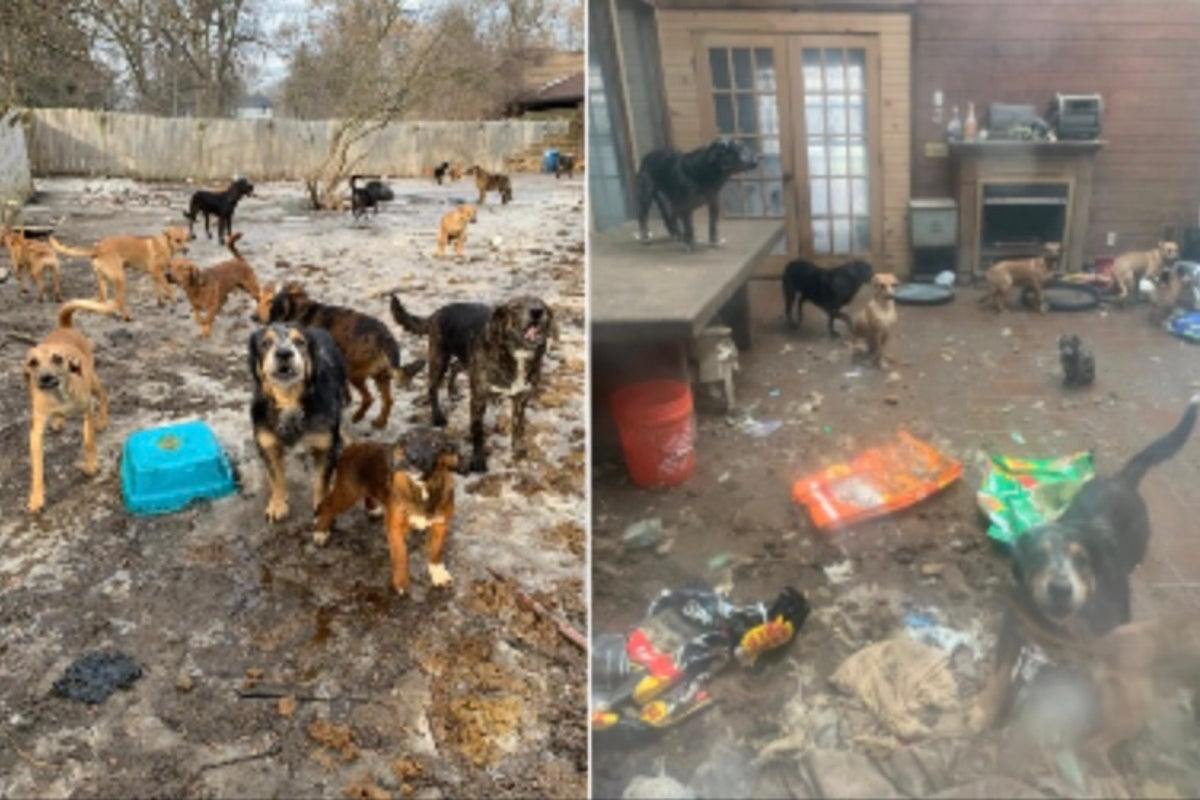
Authorities in Michigan uncovered deeply disturbing conditions inside a Flint Township residence that led to the rescue of dozens of animals living in extreme neglect. The discovery followed the execution of a search warrant that exposed a house filled with overwhelming filth, toxic air, and evidence of prolonged suffering. Officers entering the property encountered an environment so hazardous that they were forced to wear protective equipment and rotate shifts to limit their exposure.
Inside, living animals struggled to survive among garbage, feces, and deteriorating furnishings, while the remains of others revealed the full extent of the neglect that had taken place over time. In total, 61 dogs and three cats were removed alive from the property. At the same time, authorities discovered 26 dogs and one cat that had already died within the home.
The scale of the situation immediately drew attention from both law enforcement and animal control officials, who described the conditions as physically revolting and emotionally exhausting to witness. The rescue operation became both a response to immediate danger and a grim effort to document what officials described as prolonged suffering rather than an isolated lapse in care.
The case has also raised urgent concerns about the welfare of the surviving animals, the capacity of local shelters to handle large-scale rescues, and the ongoing investigation into how such conditions developed without intervention. The scene inside the home provided not only evidence of severe neglect but also insight into the psychological trauma experienced by animals forced to endure sustained exposure to hazardous and unsanitary surroundings.
Inside the Toxic and Overwhelming Conditions of the Home
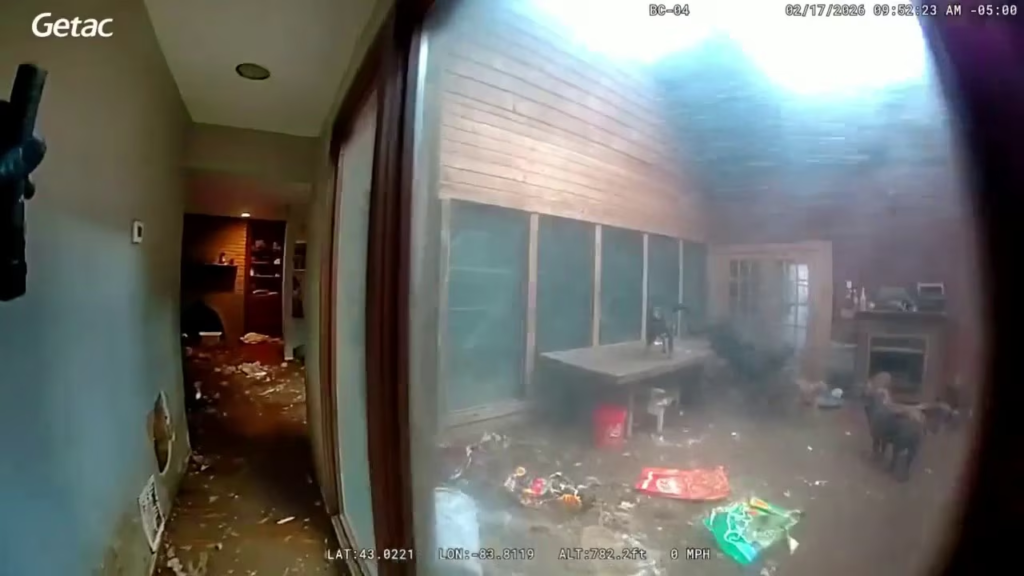
When officers entered the Flint Township residence, they were immediately confronted by an environment that posed serious risks to human health. Air quality inside the home had deteriorated to such an extent that ammonia concentrations were measured at hazardous levels. The fumes caused burning sensations in the eyes and lungs of responders, making prolonged exposure unsafe. Protective masks and gloves became essential equipment, and even then, officers could not remain inside for extended periods without risking harm.
The interior of the home was filled with layers of accumulated waste, including piles of animal feces, rotting furniture, and garbage scattered across floors and surfaces. The buildup appeared long-standing rather than recent, indicating that sanitation had been neglected for an extended period. Animal control officials described the atmosphere as oppressive, with odors and airborne contaminants strong enough to overwhelm even experienced responders. The visual impact of the surroundings reinforced what the air quality readings had already confirmed: the space was unfit for any living being.
Among the most disturbing discoveries were the bodies of animals that had not survived. Several deceased dogs and one cat were reportedly found placed inside trash bags near the front entrance of the home. Authorities described the scene as deeply distressing, with the remains positioned as if discarded alongside household refuse. The presence of both living and deceased animals in such close proximity underscored the prolonged nature of the neglect and suggested that deaths had occurred over time without proper response or care.
Read : 62-Year-Old Mihiata Te Rore Mauled to Death by Dogs at Home
The physical layout of the residence reflected a gradual collapse of basic living conditions. Surfaces were coated in grime, soft furnishings were saturated and decaying, and debris had accumulated to the point that navigating the space required careful movement. Officers documented every aspect of the environment as part of the investigation, capturing evidence that demonstrated the severity of the situation. The combination of toxic air, unsanitary conditions, and widespread neglect created a setting that authorities described as incompatible with survival, yet dozens of animals had remained trapped within it.
Investigators emphasized that such conditions do not develop suddenly. The extent of environmental deterioration pointed to sustained neglect over a prolonged period. This assessment shaped the broader investigation, shifting focus from a single incident to a pattern of ongoing harm. The state of the home provided a timeline written in layers of waste, decay, and deterioration, each indicating that the animals had endured hazardous circumstances for far longer than a temporary disruption would suggest.
The Rescue Operation and the Condition of the Surviving Animals
Removing the animals from the residence required coordinated effort between police and animal control personnel working in an environment that was both physically hazardous and emotionally difficult. The rescue process unfolded gradually, with responders carefully moving through cluttered rooms to locate animals that had retreated into hiding. Many of the dogs sought refuge wherever they could find even minimal comfort, clinging to worn blankets, soiled bedding, or each other.
Officials described the rescued animals as visibly frightened and uncertain. Years or months spent in confined, unsanitary surroundings had shaped their behavior, leading many to respond to human presence with fear rather than curiosity. Some retreated into corners or concealed spaces, while others remained close together, relying on proximity to other animals as a source of security. Observers noted that the dogs appeared to draw reassurance from companionship, suggesting that social bonds had helped them endure otherwise unbearable conditions.
The emotional impact of the rescue extended beyond the animals themselves. Responders described the experience as draining, both physically and psychologically. Working amid hazardous air and distressing sights required sustained focus, yet many personnel reported being deeply affected by the expressions and behavior of the animals they encountered. The visible fear and uncertainty among the dogs served as a reminder of the prolonged deprivation they had experienced.
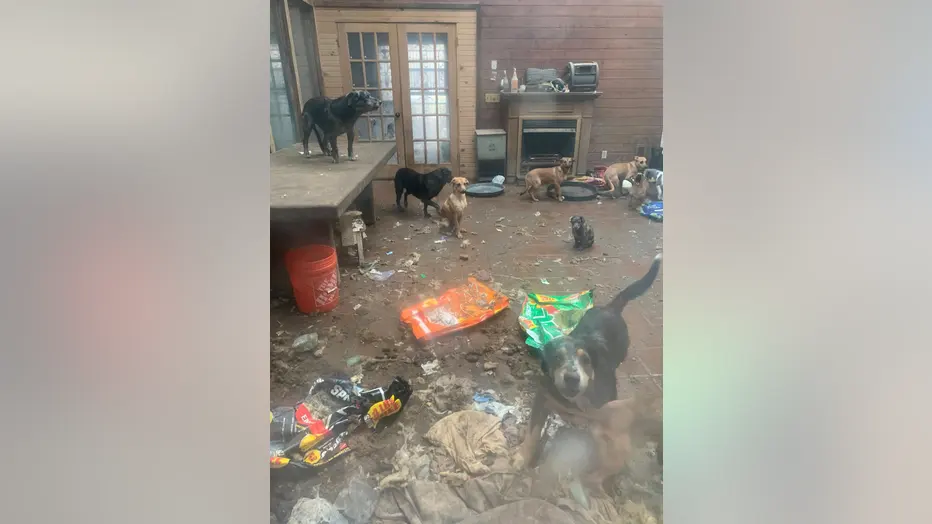
Transporting the animals safely out of the home required careful handling and planning. Each animal had to be located, secured, and moved without adding further stress or injury. Once removed, they were transferred to a local shelter for immediate evaluation and care. Veterinary assessments began soon after arrival, focusing on nutritional status, respiratory health, skin conditions, and signs of trauma or infection commonly associated with neglect.
Animal control officials described the surviving animals as resilient despite the conditions they had endured. While many displayed fear, they also demonstrated an ability to respond to gentle handling and supportive care. Early observations suggested that some animals began showing signs of relief once removed from the toxic environment, though long-term rehabilitation would likely be necessary for many of them.
The rescue also involved confronting loss. The presence of deceased animals within the home reinforced the urgency of removing those still alive. Officials expressed sorrow for the animals that had not survived, noting that some appeared to have been born into the environment and had never experienced proper care. The contrast between the rescued animals and those found dead underscored the narrow margin between survival and death in such extreme conditions.
Aftermath, Shelter Capacity, and the Ongoing Investigation
Following the rescue, all surviving animals were transported to the local animal control shelter, where they immediately placed significant strain on available resources. The sudden arrival of more than sixty dogs and several cats pushed the facility to maximum capacity. Staff members began coordinating care plans that included medical treatment, behavioral assessment, and temporary housing arrangements, all while continuing routine operations for other animals already in their care.
Read : Postal Worker Sian Spence Arrested After Pepper Spraying Dogs While Delivering Mail
Managing a large intake of animals from a single rescue requires extensive logistical coordination. Shelter staff must monitor health closely to prevent disease transmission, provide individualized care where needed, and address psychological stress resulting from previous living conditions. In this case, the need for medical attention, nutritional rehabilitation, and gradual socialization increased demands on personnel and resources alike.
Public response played an important role in supporting ongoing care. Donations were requested to fund medical treatment, food, and other essential supplies for the rescued animals. Financial contributions began accumulating soon after news of the rescue became public, reflecting community awareness of the scale of the situation and the long-term commitment required to support recovery.
Meanwhile, the investigation into the circumstances surrounding the home remains active. Authorities continue to examine evidence gathered during the search, including environmental conditions, documentation from the scene, and records related to the residence. Determining responsibility and potential legal consequences depends on the findings of this ongoing inquiry.
Officials have emphasized that the severity of the conditions suggests sustained neglect rather than a short-term breakdown in care. Establishing how long the animals lived in the environment, what factors allowed the situation to persist, and whether intervention could have occurred earlier are central questions guiding investigators. The answers will shape not only potential legal outcomes but also broader discussions about monitoring and preventing similar cases in the future.
For the surviving animals, the immediate focus remains recovery and stabilization. Veterinary treatment, behavioral rehabilitation, and eventual placement into suitable homes represent the next stages of their transition away from the environment they endured. Shelter personnel continue to assess each animal individually, working to address both physical health needs and the psychological effects of prolonged neglect.