
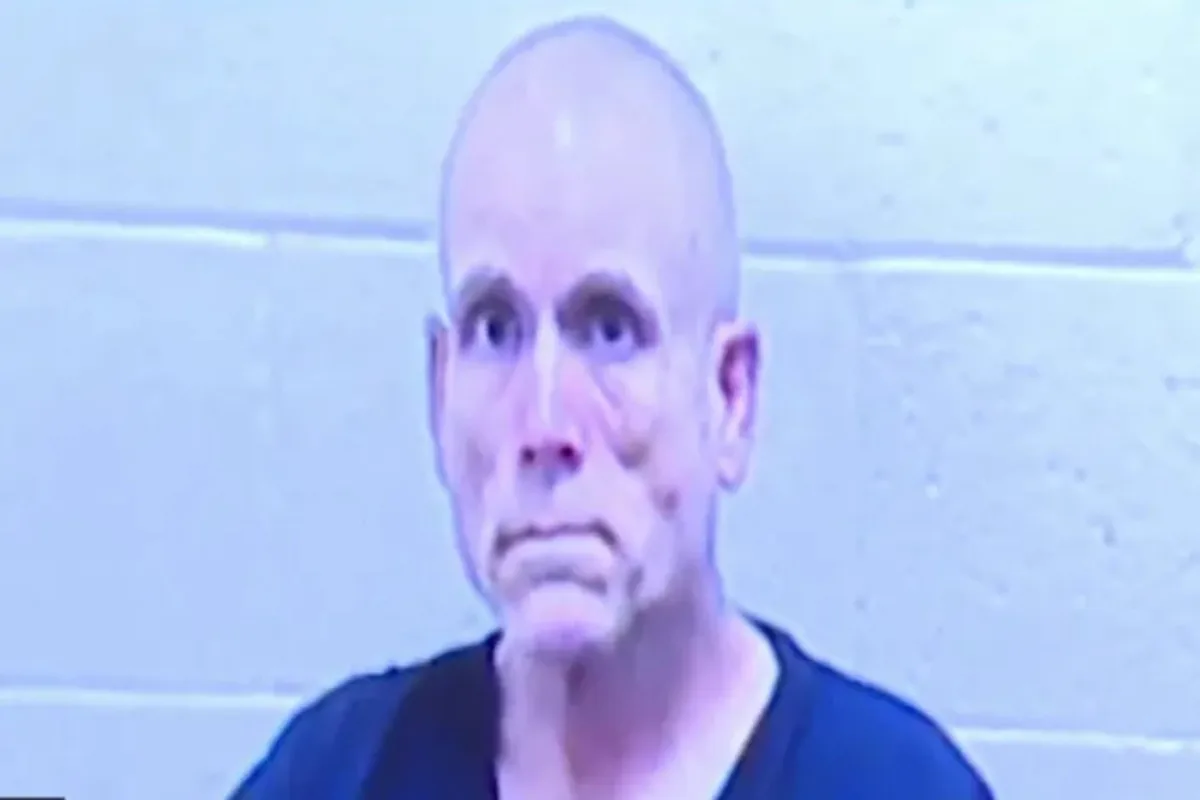
A fatal family dispute in San Diego has drawn national attention after prosecutors said a temporary disruption to household internet access set off a chain of events that ended in two deaths and the near-fatal shooting of an elderly woman. William Bushey, 61, is accused of killing his sister and nephew and critically wounding his mother during an August 21, 2024, shooting at their Point Loma home.
According to court testimony, tensions had been escalating for days after Bushey’s recently divorced sister moved into the residence, where he had lived with their mother for roughly 15 years.
Prosecutors allege that Bushey, described as socially isolated and increasingly hostile, believed his sister was attempting to evict him and that the loss of internet access when a Wi-Fi router was moved served as a triggering moment in an already volatile situation. As the trial unfolds, jurors are being asked to consider whether the shootings constituted premeditated murder or a violent outburst fueled by fear, provocation, and longstanding family conflict.
A Household on Edge After a New Arrival
Testimony presented during opening statements painted a picture of a household that became unstable shortly after Laurie Robinson, 61, moved into the Point Loma home amid her divorce. Prosecutors said Robinson’s arrival marked a turning point in the dynamic between Bushey and their mother, June Bushey, who was 86 at the time. William Bushey had lived in the home for approximately 15 years, largely keeping to himself, and the sudden presence of his sister and her adult son, Brett Robinson, 33, introduced new tensions into what had been a long-established living arrangement.
According to San Diego Deputy District Attorney Scott Pirrello, Robinson quickly grew concerned about her brother’s behavior. She allegedly observed signs of anger and hostility that made both her and their mother fear for their safety. Prosecutors said those concerns prompted a series of protective measures, including removing knives from the home, changing locks, seeking a restraining order, and beginning the process of evicting Bushey.
These steps, the state argued, further inflamed Bushey’s belief that his sister was trying to force him out of the house. Police had been called to the home twice before the shootings in response to reports of Bushey’s angry outbursts. During one incident, he allegedly broke a doorknob after the locks were changed. Despite the disturbance, officers determined that no crimes had occurred and made no arrests.
Read : Saturday Night Live Writer Jimmy Fowlie Seeks Public’s Help in Locating Missing Younger Sister
Prosecutors have suggested that these encounters demonstrate a pattern of escalating conflict that did not result in intervention sufficient to prevent the eventual violence. The defense, however, has sought to frame this period differently. Deputy Public Defender Denis Lainez told jurors that Bushey had lived peacefully with his mother for more than a decade and that the conflict only arose after Robinson moved in.
Read : Costa Rica’s Captivating Selfie Spots
Lainez argued that Bushey was suddenly confronted with the prospect of homelessness and that his sister’s actions, including seeking his removal from the home, amounted to provocation. According to the defense, Bushey was struggling with significant physical and mental health challenges, including a recent HIV diagnosis that left him unable to work, factors they say compounded his sense of vulnerability and desperation.
The Wi-Fi Dispute and the Day of the Shooting
Central to the prosecution’s narrative is the role played by the household’s internet service on the day of the shooting. Prosecutors told jurors that hours before the violence erupted, the home’s internet was temporarily disconnected so an AT&T technician could move the Wi-Fi router from Bushey’s bedroom to his mother’s room. Pirrello described Bushey as someone who spent excessive amounts of time alone in his room playing computer games, suggesting that the sudden loss of internet access may have been perceived by him as another attempt to marginalize or control him within the household.
According to court testimony, the disruption led Bushey to angrily confront the technician while the work was being done. Prosecutors characterized this confrontation as an early sign of the emotional state that would later turn deadly. While the internet service was eventually restored, the argument over the router was presented as a catalyst that intensified Bushey’s already simmering resentment toward his sister and mother.
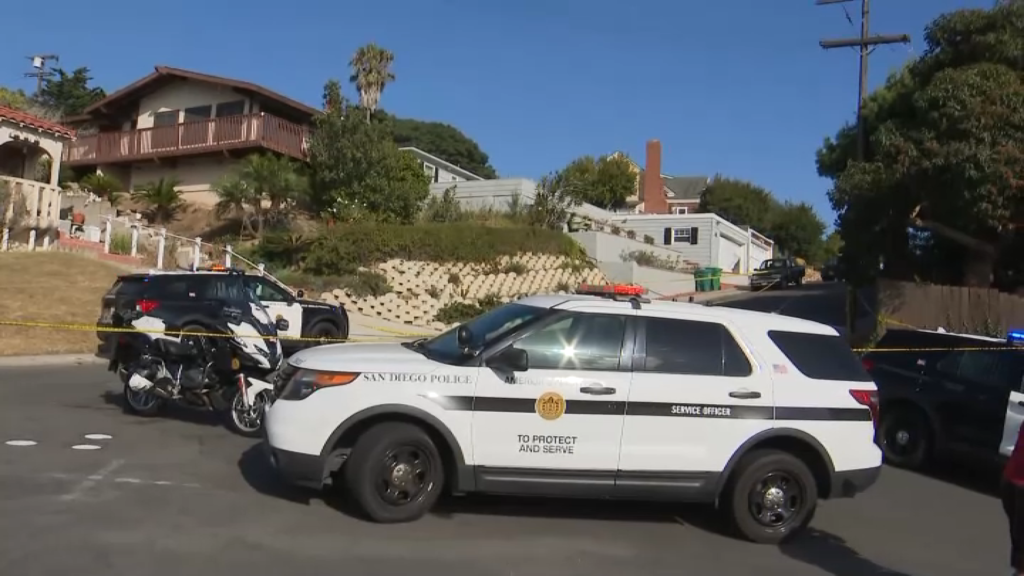
The shootings unfolded later that day. June Bushey testified that her son emerged from the living room armed with a shotgun and began firing at Laurie Robinson, who was on the patio. The elderly woman told the court that she fled through the front door as shots rang out, later recalling that she “ran like hell” in an attempt to escape. She was shot in the chest and suffered the loss of three fingers but survived the attack.
Brett Robinson was shot in the kitchen. Prosecutors said he had previously texted a friend that he needed to leave the house because his uncle was acting “extra sketchy,” a message that has been cited as evidence of the fear felt by family members in the hours leading up to the shooting. Both Laurie Robinson and her son died from their injuries.
Investigators later revealed that the shotgun used in the shootings was not known to other family members. Prosecutors displayed the weapon to jurors, emphasizing that Bushey’s access to the firearm had not been anticipated by his mother or sister. After the shootings, Bushey called 911 and admitted to shooting his sister and nephew. When police arrived, they found him sitting on the front doorstep with his hands raised, according to reports presented in court.
Charges, Defense Arguments, and What Lies Ahead
William Bushey is facing multiple counts, including murder and attempted murder, along with a special circumstance allegation. While prosecutors are not seeking the death penalty, the charges carry a potential maximum sentence of life without the possibility of parole. The state’s case rests on the assertion that Bushey acted with intent, pointing to the escalation of hostility, the presence of a firearm, and the sequence of events leading up to the shootings.
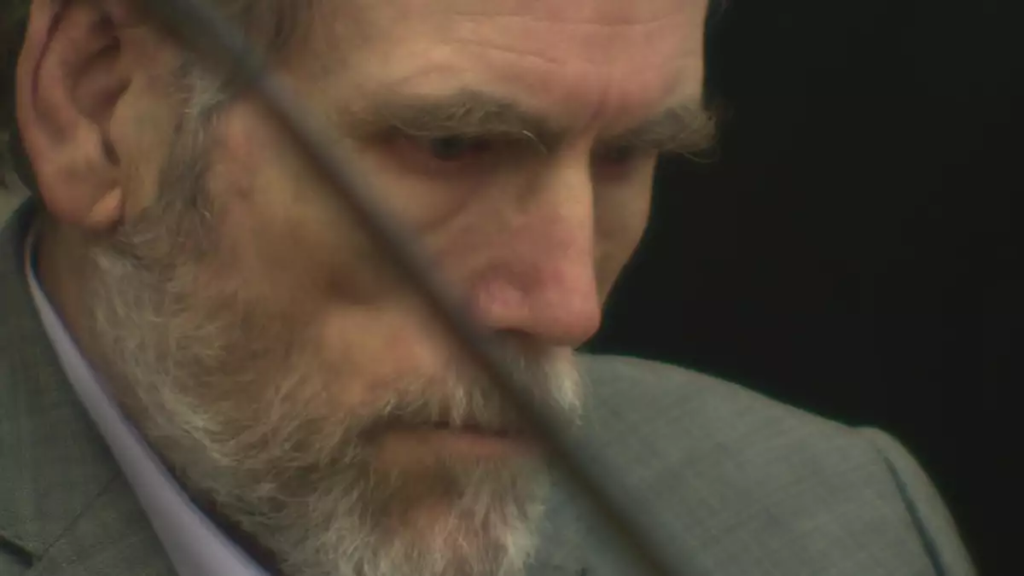
The defense has not disputed that Bushey committed the acts but has urged jurors to consider his mental and emotional state at the time. Lainez argued that Bushey was provoked by what he perceived as an orchestrated effort by his sister to remove him from the only home he had known for years.
In court, Lainez described Bushey as mentally ill and physically unwell, emphasizing his HIV diagnosis and alleged inability to work. He told jurors that Robinson “did everything she could to provoke him,” portraying the conflict as one driven by fear of imminent displacement rather than malice.
Prosecutors, however, have countered that fear or provocation does not excuse the level of violence inflicted. They have emphasized that family members took protective steps because they were afraid of Bushey, not because they sought to harm him. The state has also highlighted that Bushey had opportunities to seek help or remove himself from the situation, yet instead chose to arm himself and open fire.
As the trial continues, jurors are expected to hear further testimony detailing Bushey’s behavior in the weeks and months before the shooting, as well as expert analysis regarding his mental health. The case has raised broader questions about family disputes, mental illness, and the warning signs that precede acts of extreme violence. For now, the court’s focus remains on determining whether the shootings were the result of calculated intent or an explosive response to perceived threats within a fractured family home.
**mitolyn official**
Mitolyn is a carefully developed, plant-based formula created to help support metabolic efficiency and encourage healthy, lasting weight management.
Have you ever thought about publishing an e-book or guest authoring on other sites? I have a blog based upon on the same information you discuss and would love to have you share some stories/information. I know my viewers would value your work. If you are even remotely interested, feel free to send me an e-mail.