

The death of 62-year-old Mihiata Te Rore following a violent dog attack has shaken a quiet rural community and reignited urgent conversations about public safety, responsible animal ownership, and the growing concerns surrounding aggressive roaming dogs. Te Rore was visiting a property when she was fatally attacked by three dogs, suffering injuries described by authorities as unsurvivable. Her death has left family members grieving a profound personal loss while investigators work to determine the precise circumstances that led to the tragedy.
In the days since the attack, expressions of shock and sorrow have been accompanied by mounting questions. Residents have spoken openly about longstanding fears linked to roaming dogs in the area, while officials are gathering information to understand whether warnings or prior incidents might have signaled the risk. The case has quickly moved beyond a single devastating event, becoming part of a wider public discussion about community safety, enforcement, and accountability.
Te Rore’s family has described her as a devoted mother and grandmother who deeply cherished her loved ones. Their grief has unfolded publicly but quietly, marked by requests for patience and privacy as they wait for her body to be released and prepare to bring her home. At the same time, the investigation continues to unfold, drawing attention not only to what happened that morning but also to the broader environment in which such an attack could occur.
A Sudden and Fatal Attack
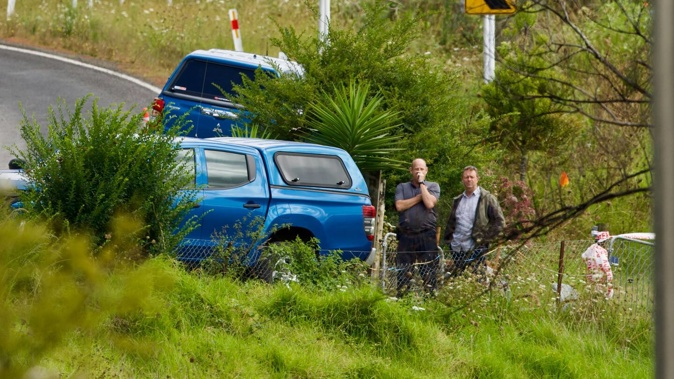
Emergency services were alerted late in the morning after reports that a person had been attacked at a residential property along a highway in a rural settlement. When authorities arrived, they discovered Mihiata Te Rore had suffered severe injuries. Officials later confirmed that three dogs living at the property were involved in the attack and that she had been visiting someone she knew at the time.
Investigators described the event as deeply distressing and emphasized that their work remains focused on establishing a full and accurate timeline. Scene examinations and witness accounts are being gathered to understand how the attack unfolded and whether any contributing factors played a role. The dogs involved were secured by animal management following the incident, and authorities stated there was no continuing risk to the public.
While fatal dog attacks are rare, when they do occur they often involve complex circumstances. These can include environmental triggers, patterns of prior aggressive behavior, or gaps in supervision or containment. Establishing these details is central to determining responsibility and shaping any future action. Officials have urged members of the community to share any information about roaming or aggressive dogs in the area, suggesting that local knowledge may provide important context.
Read : Pilot Ron Timmermans and Wife Barbara Killed in Plane Crash While Dog Miraculously Survived
For Te Rore’s family, the shock has been compounded by the suddenness of the tragedy. Relatives have spoken about her warmth, her strong family bonds, and her role as a guiding presence within the household. Their public statements have conveyed both grief and gratitude, acknowledging the support they have received while asking for space to process the loss.
Read : 146,000 years Old Fossil of a Neanderthal Child with Down Syndrome Found in a Cave in Spain
The emotional toll of such incidents often extends beyond immediate relatives. Fatal attacks in residential settings can deeply unsettle entire communities, particularly in areas where residents are accustomed to close proximity and shared spaces. For many, the event has disrupted a sense of normalcy and raised questions about everyday safety in familiar surroundings.
Community Concerns and Prior Warnings
In the aftermath of the attack, several residents have described longstanding unease about dogs roaming freely in the area. Some neighbours reported previous encounters with aggressive animals, claiming that they had seen dogs running along roads, approaching people, and frightening passersby. According to local accounts, individuals had altered their daily routines to avoid potential confrontations, choosing to remain inside or travel by vehicle rather than on foot.
Such accounts have intensified scrutiny of whether earlier warning signs existed. One nearby resident said authorities had visited the property previously regarding dog control issues, suggesting that concerns about the animals’ behaviour may not have been new. While officials have not publicly confirmed the full history of complaints or enforcement actions, animal management teams are reviewing records as part of the ongoing investigation.
Residents also described the presence of a cycling trail near the highway, frequently used by tourists and recreational riders. Some claimed that dogs had acted aggressively toward people using the trail, occasionally causing them to turn back. These reports have contributed to a growing sense that the fatal attack may reflect a broader pattern rather than an isolated incident.

Local authorities have acknowledged that their investigation includes examining any previous interactions involving the dogs or the property. However, they have emphasized that details cannot yet be released while inquiries remain active. The process of determining what action was taken in response to earlier complaints, and whether those actions were sufficient, is likely to form a critical part of the case.
For many community members, the tragedy has validated fears that had been building over time. Incidents involving uncontrolled animals can generate tension in rural areas, where properties are spread out and enforcement resources may be limited. When concerns persist without resolution, anxiety can gradually become part of daily life. The fatal attack has now transformed those fears into a stark reality, prompting renewed demands for clearer rules, stronger enforcement, and more responsive oversight.
Community reactions have included both grief and frustration. Some residents have expressed sympathy for the family while also calling for decisive measures to prevent future incidents. The discussion has expanded beyond individual responsibility to include systemic questions about monitoring, reporting, and intervention.
Debate Over Responsibility and Enforcement
The fatal attack has triggered renewed debate about the adequacy of existing laws governing dangerous or aggressive dogs. Some public figures have argued that current regulations do not sufficiently deter irresponsible ownership or adequately protect communities from high-risk animals. Calls have been made for tougher penalties, including severe legal consequences for owners whose dogs cause serious harm.
Read : 44-Year-Old Faziela Swartz Mauled to Death by Her Own Pit Bulls at Home
These arguments reflect a broader national conversation that has been unfolding in recent years. Reports of roaming dog packs, aggressive incidents, and animal neglect have contributed to growing concern about enforcement gaps and accountability. Critics of the current system contend that intervention often occurs only after serious harm has already taken place.
Advocates for stronger penalties argue that meaningful deterrence requires consequences that match the severity of potential harm. Suggestions have included restrictions on ownership for individuals who fail to control their animals, increased monitoring of high-risk cases, and clearer mechanisms for removing dangerous dogs from environments where they pose a threat. Others have proposed that repeated violations should carry escalating legal consequences.
At the same time, some experts emphasize that effective prevention depends on a combination of enforcement, education, and early intervention. They note that aggressive behaviour can sometimes be linked to neglect, mistreatment, or inadequate training. Addressing these factors may reduce risk before it escalates into violence.
The case has also drawn attention to the responsibilities of local authorities tasked with managing animal control. Ensuring timely responses to complaints, maintaining accurate records, and following through with enforcement measures are all essential components of public safety. When systems function inconsistently, the risk of serious incidents may increase.
For the community affected by Te Rore’s death, these debates are not abstract policy discussions but immediate and deeply personal concerns. The tragedy has underscored the consequences that can arise when aggressive animals are not effectively contained or managed.
As the investigation continues, authorities will determine whether legal action is warranted and what lessons may be drawn from the circumstances surrounding the attack. Meanwhile, the loss of a mother and grandmother remains at the centre of the story, shaping both the emotional response of those who knew her and the wider public conversation that has followed.
References:
888 casino download
References:
https://atomcraft.ru/user/brokercornet9/
References:
Hollywood casino tunica
References:
https://www.adpost4u.com/user/profile/4377818