
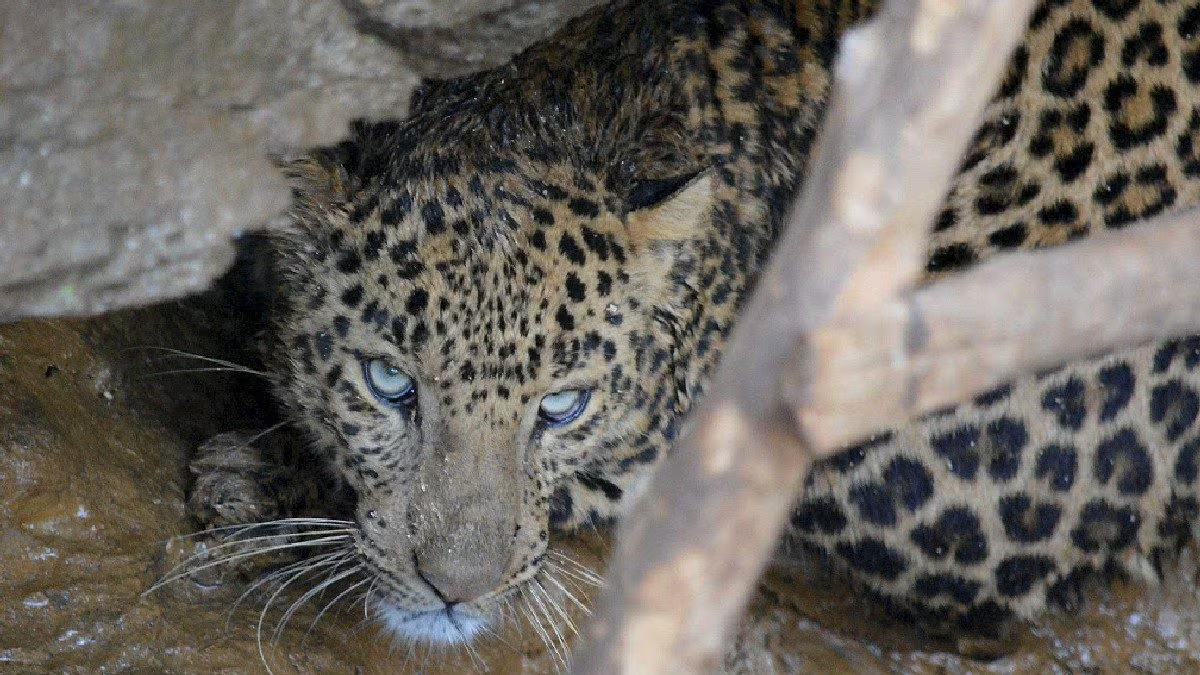
In a shocking incident near Gujarat’s Statue of Unity, seven blackbuck deer succumbed to shock after a leopard attacked one of their group. The tragedy unfolded at the Kevadia Jungle Safari Park, located close to the famous statue, sparking serious concerns about wildlife safety and the park’s security measures.
This unfortunate event highlights not only the risks faced by animals in wildlife reserves but also the potential vulnerabilities in human-wildlife interaction zones.
The Incident and Immediate Aftermath
The deadly attack took place on the early morning of January 1, 2025, at the Kevadia Jungle Safari Park, which attracts numerous visitors due to its proximity to the Statue of Unity, the world’s tallest statue. The park, a part of the Shoolpaneshwar Wildlife Sanctuary, is home to various species of animals, including the blackbuck, which is native to the region.
In a rare occurrence, a leopard, approximately 2-3 years old, managed to breach the park’s fencing. The young predator found its way into the herbivore enclosure, where a group of blackbuck deer was grazing peacefully.
According to the authorities, the leopard killed one blackbuck and caused immense panic among the other deer. The intense stress and fear triggered by the predator led to the sudden deaths of seven other blackbucks, who died from shock. This has raised serious concerns about the park’s capacity to prevent such wildlife tragedies in the future.
Read : Thief Returns Stolen Baby Jesus Statue With Apology Note in Fort Collins
The park, which is typically equipped with modern security features, such as over 400 CCTV cameras, responded immediately after detecting the presence of the leopard. However, the damage had already been done.
Read : Gir Forest to Rann of Kutch: Navigating Gujarat’s Natural Wonders
The predator fled before security personnel could apprehend it, and it remains unclear whether the animal has exited the safari park completely. The authorities believe that the leopard may have wandered into the area while exploring its territory, a common behavior for sub-adult leopards, who are often seen straying from their natural habitats.
Investigation and Immediate Response
Following the tragic deaths of the blackbucks, the forest department initiated an immediate investigation to determine how the leopard breached the park’s security perimeter.
The park, known for its vast herbivore enclosures, is equipped with high-security fencing, and it was assumed that such an incident would be impossible. However, the breach has highlighted vulnerabilities that are now under review by the authorities.
The local forest department has confirmed that this is the first recorded instance of a leopard infiltrating the safari park. Agneeshwar Vyas, the Deputy Conservator of Forests, stated that it was likely the leopard had wandered into the safari park by accident, perhaps in search of food or territory.
The authorities are now closely examining the integrity of the park’s fencing and security measures to prevent such incidents in the future. The Kevadia Safari Park was temporarily closed for 48 hours following the incident to allow the authorities to secure the area.
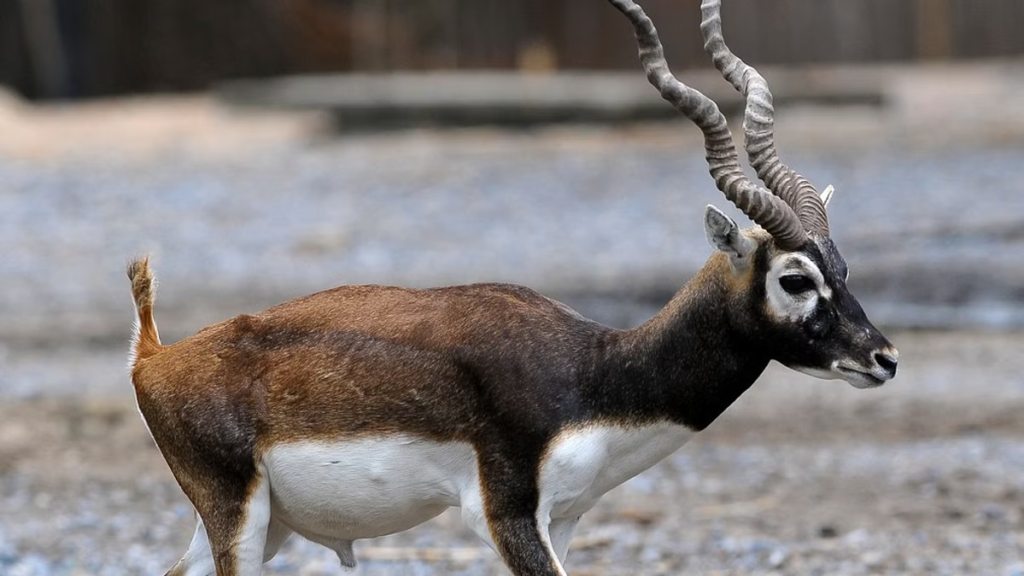
During this time, the park’s security was heightened, and wildlife experts conducted a detailed inspection of the enclosures to identify any weaknesses. It was decided that the park would reopen on January 3, but the safety of both animals and visitors remains a priority.
In response to the incident, the forest department has also set up additional monitoring systems and continues to closely track the movements of the leopard.
Officials from the forest department have stated that they are actively trying to capture the leopard and relocate it to a safer environment where it will not pose a threat to other wildlife or humans. They assured the public that the safety of both the animals and the visitors to the park would be taken into account in all future measures.
The Broader Implications for Wildlife Management
This incident serves as a reminder of the challenges involved in managing wildlife reserves and safari parks, particularly those located near urban centers. The Kevadia Safari Park is one of the premier attractions near the Statue of Unity, and while it offers a safe haven for a variety of species, it is not immune to the dangers of encroaching wildlife.
The park is surrounded by dense forests that are home to various wild animals, including leopards, and this interaction between human developments and animal habitats has raised serious questions about wildlife management.
Leopards are naturally territorial creatures and typically live in dense, forested areas where they can hunt and establish their domain. In recent years, however, the expansion of human settlements and the encroachment of agricultural land into wildlife habitats have caused leopards and other wild animals to venture into urban areas.
This has led to an increase in human-wildlife conflict, with leopards sometimes attacking livestock or entering human settlements in search of food. The breach of security at the Kevadia Safari Park, while shocking, is not an isolated event.
Wildlife experts have expressed concerns about the growing incidents of wild animals, particularly carnivores like leopards and tigers, straying into human-dominated areas.
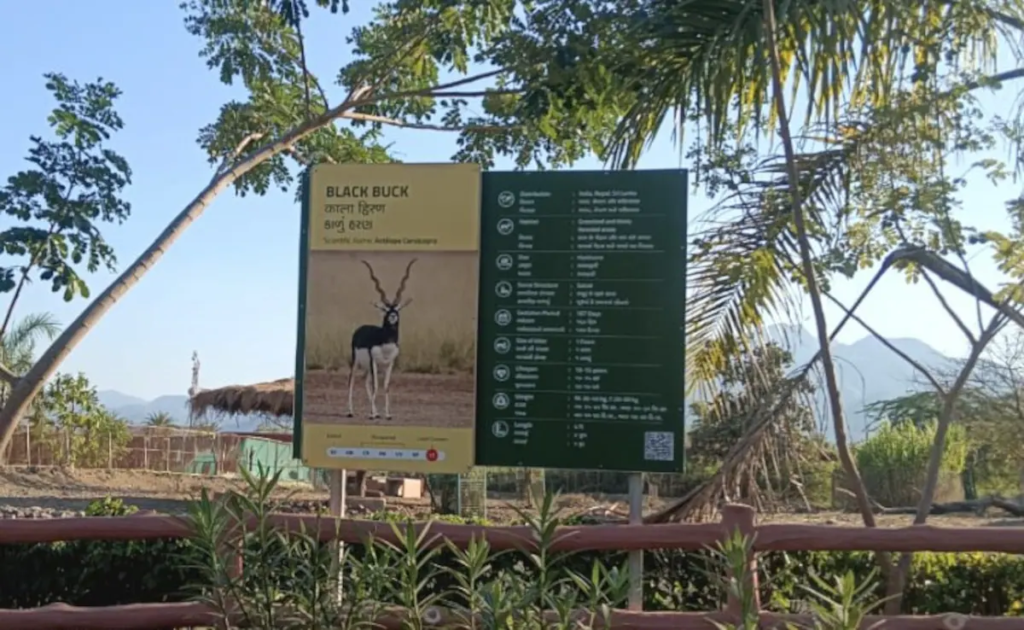
This is often a result of habitat fragmentation, human encroachment on wildlife corridors, and the depletion of natural prey. As wild animals are forced to adapt to shrinking habitats, they increasingly come into contact with humans and their properties.
The forest department’s response to the incident emphasizes the need for stricter management practices and improved security measures in wildlife parks and sanctuaries.
While the park’s fencing and surveillance systems were initially deemed adequate, this breach reveals the vulnerability of wildlife enclosures to intrusions by larger predators. The authorities have promised to reevaluate the park’s infrastructure to ensure that future breaches can be prevented.
In addition to securing the boundaries of the park, experts believe it is crucial to invest in educating local communities about wildlife conservation and fostering a greater understanding of the coexistence between humans and wildlife. Many incidents of human-wildlife conflict can be mitigated through better awareness and coordination between local authorities, wildlife experts, and the public.
The Future of Kevadia Safari Park and Its Wildlife
As the investigation into the leopard attack continues, the forest department is taking significant steps to ensure the safety of the park’s wildlife population. The authorities are examining the fencing and security systems to prevent future breaches, while wildlife experts are also considering measures to improve the overall health and safety of the animals living in the safari park.
Despite the tragic deaths of the blackbucks, the park’s management remains optimistic about the long-term success of the safari park. Plans are already in place to enhance security and monitoring systems, as well as to ensure that both the park’s wildlife and its visitors are protected from potential harm.
The park, which is known for its wide variety of herbivores, including several endangered species, will continue to serve as an important conservation center.
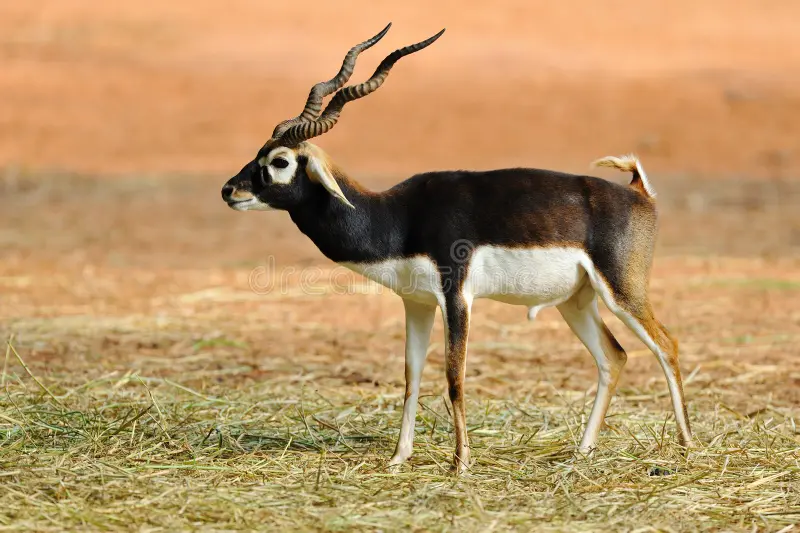
The authorities have vowed to prevent future incidents and to ensure that the park’s animals remain safe from harm. The tragic deaths of the blackbucks highlight the need for continued efforts in wildlife protection and the importance of maintaining secure enclosures in wildlife parks and sanctuaries.
In conclusion, the leopard attack at the Kevadia Safari Park near the Statue of Unity is a tragic reminder of the complexities involved in managing wildlife in areas close to human habitation.
The forest department’s investigation into the breach and the measures being taken to ensure future security are vital steps in addressing the growing challenges of human-wildlife conflict.
As urbanization continues to encroach upon natural habitats, it is essential to find sustainable solutions that protect both wildlife and humans, allowing for the safe coexistence of both.