

In a heartbreaking case that has left a Kent community reeling, seven-month-old Tommy Kneebone passed away at Tunbridge Wells Hospital in Pembury on January 21, 2023, after months of medical consultations where his persistent cough was dismissed as a mere viral infection. The infant’s death, later attributed to undiagnosed cardiomyopathy—a serious heart muscle disease—has sparked an ongoing inquest into potential oversights by healthcare providers. Tommy’s mother, Shanice Kneebone, has publicly shared her anguish, alleging that repeated pleas for help were ignored, turning what began as a post-holiday cough into a fatal oversight. This tragedy underscores the fragile line between routine symptoms and life-threatening conditions in young children, prompting calls for greater vigilance in pediatric care.
The Onset of Symptoms: A Cough That Wouldn’t Quit
Tommy Kneebone’s short life took a concerning turn in October 2022, shortly after his parents, Shanice and her partner, returned from a family holiday abroad. The couple first noticed their baby’s cough upon settling back into their home in Kent—a dry, persistent hack that seemed out of place for such a vibrant seven-month-old. At the time, Tommy was otherwise his playful self, reaching milestones like rolling over and babbling with delight. Yet, the cough lingered, evolving from an occasional nuisance into a constant companion that disrupted his feeds and sleep.
Concerned but not yet alarmed, Shanice took Tommy to their local GP on November 16, 2022. The doctor assessed the infant and prescribed antibiotics, attributing the symptoms to a common respiratory illness, likely a viral infection picked up during travel. “It was presented as nothing more than a standard bug,” Shanice later recounted during the inquest, her voice heavy with the weight of hindsight. Antibiotics were administered, but the cough persisted, showing no signs of abatement even as winter deepened.
Over the Christmas period, Tommy Kneebone’s accompanying wheeze subsided slightly, offering a fleeting glimmer of relief, but the cough remained unrelenting—a stubborn echo that Shanice captured on video, showing her son wheezing heavily while nestled in her arms. By early January 2023, the family’s worry had escalated. Tommy’s energy waned; he refused bottles, his little chest heaving with each breath. Shanice made multiple visits to accident and emergency (A&E) departments across Kent, each time relaying the same story: a cough that had outlasted any typical viral episode. Medical staff, however, continued to view it through the lens of commonplace pediatric ailments.
Read : Hawaii Babysitter Dixie Villa Jailed After 7-Month-Old Baby Dies From Benadryl Overdose
Notes from those visits, later reviewed in court, described the symptoms as “consistent with a resolving upper respiratory tract infection.” No further tests were ordered—no chest X-rays, no echocardiograms to peer into the heart’s hidden workings. Shanice felt dismissed, her maternal instincts clashing against clinical assurances that all would pass. “I kept saying it wasn’t right,” she testified, “but no one listened.” This phase of Tommy’s illness highlights a common pitfall in primary care: the tendency to attribute prolonged coughs in infants to benign causes, overlooking how such symptoms can mask deeper pathologies.
Read : 17-Year-Old Chinese Badminton Player Dies of Cardiac Arrest During Championship Match: Watch
Experts in pediatric cardiology, speaking in the wake of the inquest’s opening, emphasize that a chronic cough in babies, especially one lasting beyond two weeks, warrants scrutiny beyond viral assumptions. In Tommy Kneebone’s case, the cough was likely an early harbinger of heart strain, where inefficient pumping led to fluid buildup in the lungs—a condition known as congestive heart failure. Yet, without red flags like overt swelling or cyanosis, the symptom flew under the radar. This period of watchful waiting, while prudent in many scenarios, proved devastating here, as Tommy’s tiny body silently battled a foe that antibiotics could never touch.
Hospital Admission: A Desperate Fight Against Deterioration
By January 20, 2023, Tommy’s condition had spiraled into crisis. He hadn’t taken fluids for two full days, his dehydration evident in sunken eyes and lethargic cries. Shanice rushed him back to Tunbridge Wells Hospital’s A&E, where the gravity finally pierced the veil of routine. Admitted to the pediatric ward, Tommy was pale and unresponsive, his persistent cough now accompanied by rapid, shallow breaths.
Nurses attempted to insert an IV drip for hydration, but the task proved fraught— one admitted during the inquest that her “insufficient experience” led to delays, while others struggled to locate a viable vein in his fragile limbs. Shanice paced the corridors, her frustration boiling over as precious minutes ticked by. “I was getting angry,” she told the coroner, “because they were taking too long, and my baby was suffering.” Once stabilized on fluids, Tommy was placed under observation, but his decline was swift and merciless. Monitors beeped erratically as his heart rate faltered, oxygen levels plummeting.
Shanice captured more footage that night, the video played in court revealing a harrowing scene: Tommy’s chest convulsing with coughs, his face flushed with effort. She voiced her fears to the staff, insisting something was profoundly wrong with his heart. A nurse later conceded that “maybe” they could have paid more attention to these maternal concerns, a admission that hung heavy in the courtroom. Head nurse Ronald Carrido, testifying about the “chaotic” night shift, described calling for a consultant only after Tommy showed no improvement—by then, it was a race against an unseen enemy.
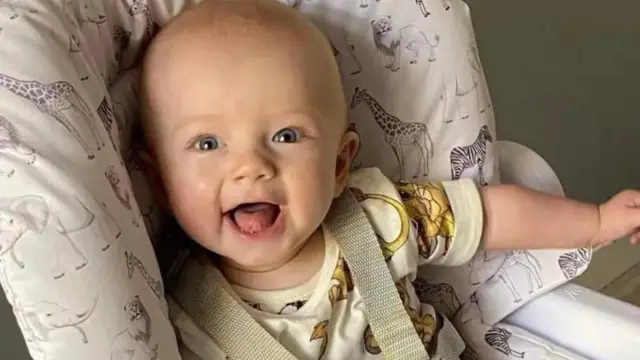
Doctors induced a medical coma in a bid to ease the strain on Tommy’s overburdened heart, ventilating him to support his faltering breaths. For a fleeting moment, the family clung to hope, Shanice stroking her son’s hand and whispering promises of recovery. But the cardiomyopathy—still undiagnosed—had woven its damage too deeply. Fluid accumulated relentlessly in his lungs, the cough a futile protest against drowning from within.
In the early hours of January 21, after more than an hour of frantic CPR that the parents were shielded from, Tommy was pronounced dead at 4 a.m. The ward, described as understaffed and overwhelmed, became the backdrop to unimaginable loss. Shanice later learned that while she waited outside, believing preparations were underway for transfer to a specialist unit, her world had irrevocably shattered.
This hospital phase exposes systemic strains in the NHS, where pediatric wards grapple with high demands and limited resources. The inquest has probed whether earlier escalation—perhaps a cardiology consult upon admission—might have altered the outcome. Carrido’s account of the night’s pandemonium, with alarms blaring and staff stretched thin, paints a picture of heroism amid inadequacy. Yet, for Shanice, it was a betrayal: her son, entrusted to healers, slipped away in a haze of overlooked urgency.
Aftermath and Inquest: Seeking Justice for Tommy
The days following Tommy’s death were a blur of grief and revelation. Autopsy results confirmed the culprit: dilated cardiomyopathy, a form where the heart muscle weakens and enlarges, impairing its ability to pump blood effectively. In infants, this can stem from genetic quirks, infections, or unknown triggers, leading to heart failure if unchecked. Tragically, Tommy’s was only identified post-mortem, the persistent cough retroactively linked to cardiac-induced pulmonary congestion. Shanice and her partner underwent genetic testing, which revealed no hereditary cardiac issues on their end, absolving them of unspoken guilt but deepening the sorrow of what-ifs.

The inquest, which began in September 2025 at Maidstone’s Kent and Medway Coroner’s Court, has become a platform for Shanice’s raw testimony. She described feeling her son was “not safe” in the hospital, her concerns brushed aside in a system that prioritized protocols over parental intuition. A GoFundMe campaign, launched to support the family, has raised over £24,000, its organizer decrying a “series of failures” in the health service—echoed in Shanice’s social media pleas for accountability. The proceedings have aired hospital logs, witness statements, and those poignant videos, each piece a thread in the tapestry of loss.
As the inquest continues, it has ignited broader discourse on pediatric misdiagnosis. Cardiomyopathy affects about 1 in 100,000 infants annually in the UK, often masquerading as respiratory woes. Experts now advocate for routine screening tools like pulse oximetry in persistent cough cases, arguing that Tommy’s fate could spotlight preventable gaps. Shanice, channeling her pain into purpose, urges parents: “Trust your gut. Push harder.” For the Kneebones, justice means systemic change—a legacy for Tommy Kneebone beyond the cough that stole him away.
In reflecting on this story, the fragility of infancy collides with the fallibility of medicine. Tommy Kneebone, with his bright eyes and unfulfilled giggles, deserved more than assumptions. His death, while singular, resonates as a call to listen closer, act swifter, and honor the quiet alarms of a mother’s heart. As the gavel falls in Maidstone, may it echo far, ensuring no other cough is dismissed as just a virus.