
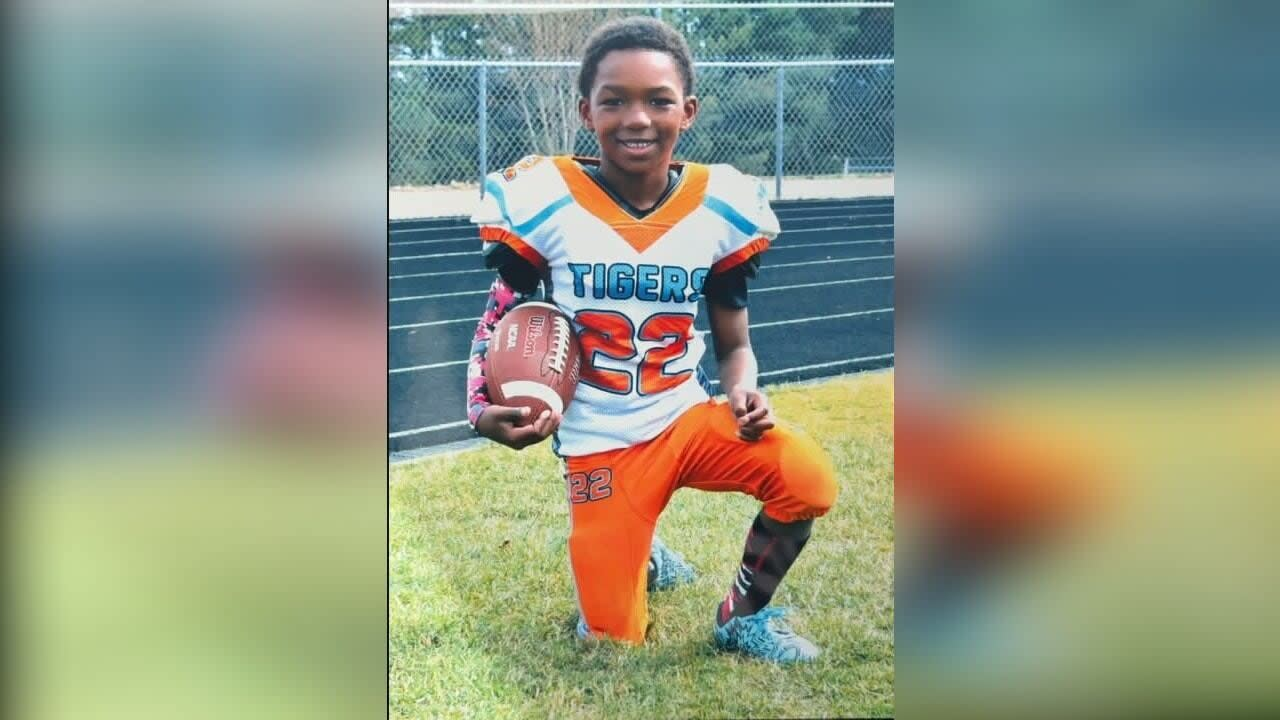
The death of seven-year-old Abel Friday-Williams has left a community in mourning and raised urgent concerns about safety around hidden and hazardous natural areas. The young boy was found Wednesday evening at the bottom of a waterfall near a well-known park in Hickory, where he had gone earlier in the day. What began as a routine outing ended in tragedy, prompting grief among family members and renewed calls for awareness about the dangers present in areas that may appear inviting but are not designed for public access.
Emergency responders located Abel Friday-Williams shortly after 7 p.m. in a pond beneath the waterfall. Authorities stated that he had been at the location with a friend and an adult. Investigators are still working to determine the exact circumstances, including whether the children may have been unsupervised at any point. Early indications suggest that Abel may have entered the water in an attempt to help a friend, an act described by relatives as selfless but ultimately fatal.
The area where the incident occurred, while near a popular park, is not officially part of the park grounds. Instead, it belongs to a wastewater treatment pump station and is not intended for recreational use. Despite this, a visible trail has drawn visitors to the site over time, creating a dangerous situation that has gone largely unregulated until now.
A Tragic Incident That Shook the Community
The loss of a child under such circumstances has deeply affected both the family and the broader community. Abel Friday-Williams’s relatives described him as caring and brave, emphasizing that he may have acted out of instinct to help another child in danger. According to family accounts, he entered the water after his friend, possibly attempting a rescue. His aunt expressed heartbreak over the situation, stating that he tried to save a life but lost his own in the process.
Family members gathered near the site the following day, retracing the path that led to the waterfall. The trail, though not officially sanctioned, appears accessible and has been used by locals and visitors alike. Their visit underscored how easily someone unfamiliar with the risks could find themselves in a perilous environment.
Concerns about supervision have also surfaced as part of the ongoing investigation. Authorities have not reached definitive conclusions, but they are examining whether proper oversight was in place at the time of the incident. Such details are critical in understanding how the situation unfolded and what measures might prevent similar tragedies in the future.
Read : Farmers of Nazca Found ‘Alien Mummies’ in Cave of Peru
Community members have echoed the family’s grief while also expressing shock that such a dangerous location remains accessible. The combination of natural beauty and hidden hazards has made the site deceptively attractive, especially to children who may not recognize the risks involved.
Hidden Dangers at the Waterfall Site
The waterfall area where Abel Friday-Williams drowned presents several hazards that may not be immediately apparent. Witnesses and residents familiar with the location have described extremely slippery rocks, coated with layers of algae and slime that make footing unstable. Even adults have struggled to maintain balance in the area, raising serious concerns about its safety for children.
Read : 20-Year-Old Anne Mae Demegillo Arrested After Newborn Drowned in Toilet Shortly After Birth
One resident recounted a recent incident in which a man jumped into the water to rescue a young girl. The situation required assistance from others to pull them out, highlighting how difficult it can be to navigate the terrain. The slippery conditions, combined with the depth of the water and the force of the current near the falls, create a high-risk environment.
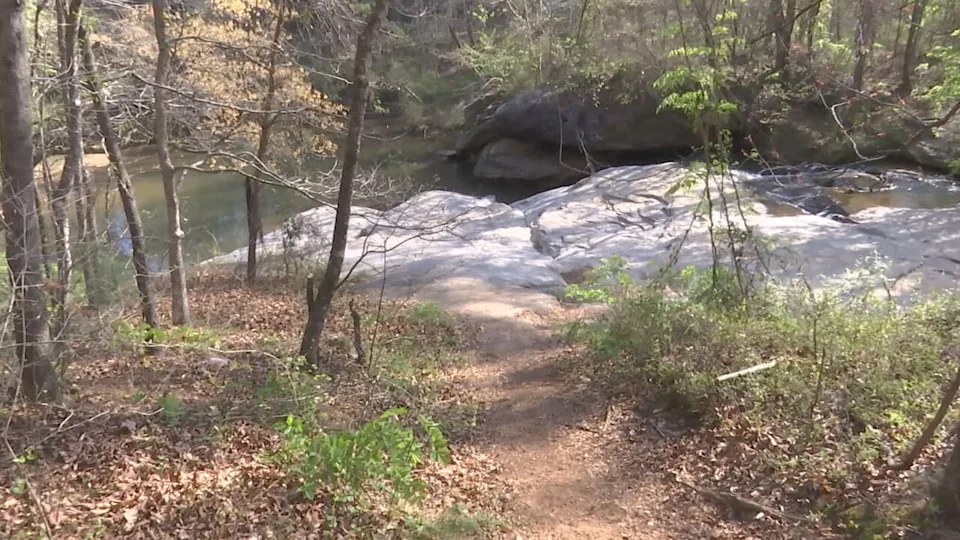
The pond at the base of the waterfall may appear calm from a distance, but it can conceal sudden drop-offs and strong undercurrents. These factors can quickly overwhelm even those who are capable swimmers. For children, the danger is significantly greater, as they may lack both the physical strength and awareness needed to respond effectively in such conditions.
Adding to the risk is the lack of official safety measures in the area. Because it is not designated for public use, there are no lifeguards, warning signs, or barriers to prevent access. The trail leading to the site, while unofficial, has made it easier for people to reach the waterfall without understanding the potential consequences.
The absence of clear boundaries between park property and restricted areas has also contributed to confusion. Visitors may assume that all nearby spaces are safe for exploration, especially if they see others using the trail. This misunderstanding can lead to dangerous situations, as individuals venture into areas that have not been evaluated or maintained for safety.
Calls for Awareness and Possible Safety Changes
In the aftermath of Abel Friday-Williams’s death, both family members and local officials have emphasized the need for greater awareness about the dangers posed by such locations. Relatives have urged others to recognize that areas like the waterfall are not safe for recreational use, regardless of how accessible they may seem.
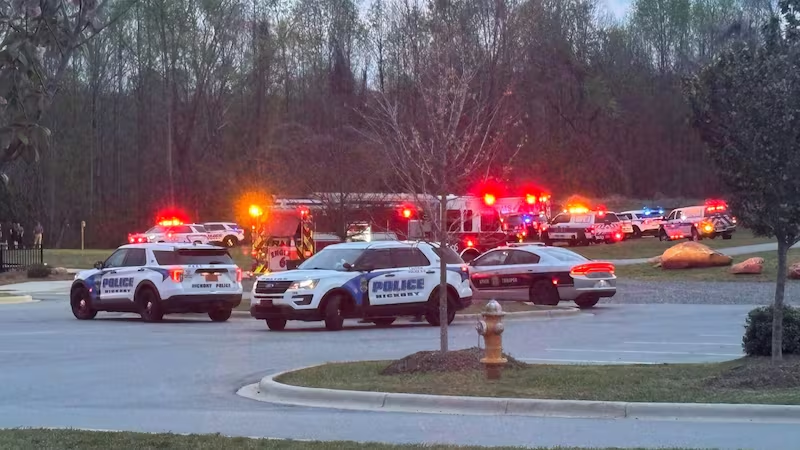
Local authorities have acknowledged the tragedy and indicated that discussions will take place regarding potential changes. These may include evaluating the need for signage, barriers, or other measures to discourage access to hazardous areas. While the site is not officially part of the park, its proximity makes it a shared concern for city leaders and the community.
The situation has also highlighted the broader issue of unofficial trails and unregulated natural spots that attract visitors. Without proper oversight, these areas can become accident sites, especially when their risks are not widely known. Addressing this challenge requires a combination of public education and physical interventions to limit access where necessary.
For families, the incident serves as a painful reminder of the importance of supervision and awareness in unfamiliar environments. Even seemingly minor excursions can turn dangerous when children encounter unpredictable natural conditions. Ensuring that adults remain vigilant and informed is a crucial step in preventing similar tragedies.
Community members have expressed hope that Abel Friday-Williams’s story will lead to meaningful change. By drawing attention to the hazards of the waterfall and similar locations, they believe it may be possible to prevent future loss of life. The focus now is on translating that awareness into action, whether through policy decisions, safety improvements, or increased public understanding.
As investigations continue, the memory of Abel Friday-Williams remains at the center of the conversation. His death has brought attention to a hidden danger that might otherwise have gone unnoticed, prompting a collective effort to ensure that such an incident is not repeated.