
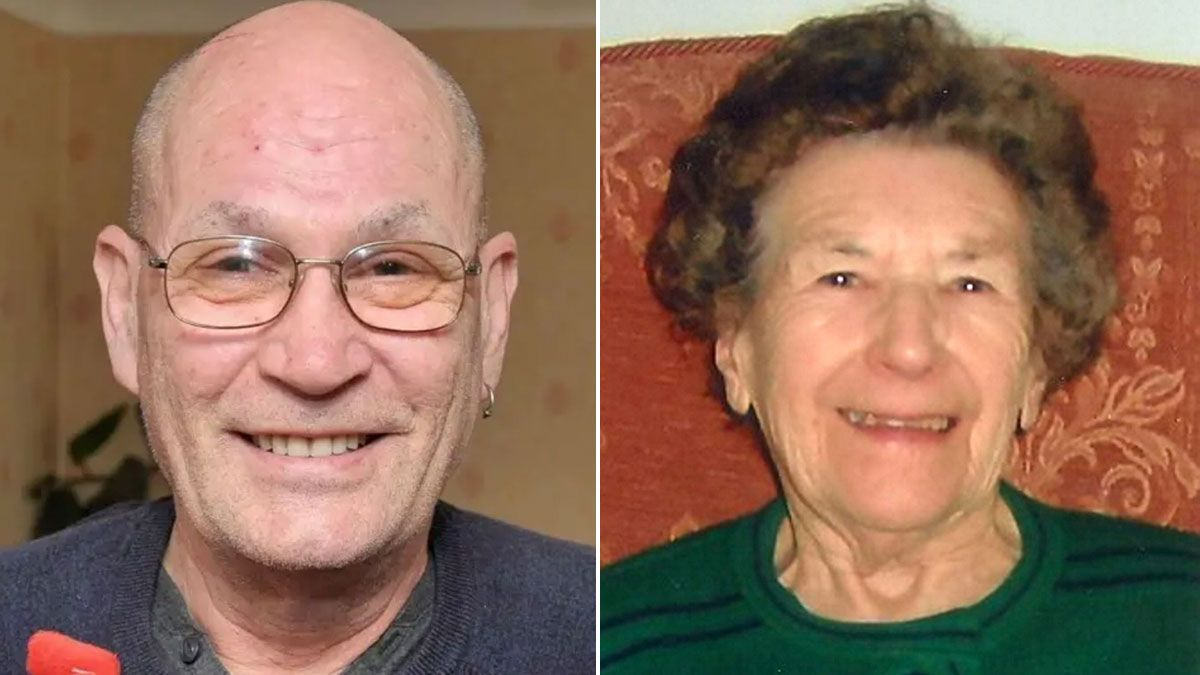
The long-awaited justice for retired postmistress Una Crown has finally been served as 70-year-old David Newton was sentenced to life in prison with a minimum term of 21 years.
This conviction comes more than a decade after the brutal murder of Mrs. Crown, whose death in January 2013 initially went unrecognized as a homicide due to police errors.
The case, which remained unsolved for years, saw a breakthrough in 2023 when advanced DNA testing linked Newton to the crime, leading to his trial and conviction at Cambridge Crown Court.
The murder of the 86-year-old widow, who was found stabbed and set on fire in her home in Wisbech, Cambridgeshire, left a deep impact on the local community and her grieving family.
A Decade-Long Pursuit of Justice
The murder of Una Crown initially baffled authorities, as police at the time failed to recognize it as a homicide. When Mrs. Crown was found in her bungalow on January 13, 2013, her injuries included a slit throat, multiple stab wounds, and burnt clothing.
Despite these alarming signs, officers mistakenly concluded that her death was accidental. This misjudgment led to a critical two-day delay in securing the crime scene, significantly hindering the early investigation. As a result, crucial forensic evidence was either lost or contaminated, and potential leads went cold.
David Newton, a former kitchen installer living near Una Crown’s home, had been a suspect early on. He was interviewed and even arrested in 2013, but due to insufficient evidence, he was released without charge in July of that year. The case remained unsolved for a decade, leaving Mrs. Crown’s family in distress and uncertainty.
However, in 2023, advancements in forensic technology allowed scientists to reanalyze nail clippings taken from Una Crown’s right hand during her post-mortem examination. This new analysis revealed male DNA matching Newton’s profile, providing the crucial breakthrough needed to bring him to justice.
Read : Man Who Murdered Wife at Turtle Island Resort During Honeymoon Jailed for Life
During the trial, the court learned that Newton had a history of entering people’s homes uninvited, often under the pretext of seeking companionship. It was also revealed that he had once assisted Una Crown with a lock issue and had made a copy of her back door key.
Read : Pro-Khalistan Group Stages Protest Against Indian Diplomat in Canada
While his exact motive remains unclear, the judge determined that Newton did not initially intend to kill Una Crown but instead reacted violently when confronted by her. His subsequent actions, including stealing £80 from her purse and setting fire to her body and home in an attempt to cover his tracks, painted a chilling picture of his crime.
The Trial and Sentencing
Newton’s trial at Cambridge Crown Court lasted a month, culminating in a guilty verdict reached by a majority of 10 jurors to two. The jury deliberated for a total of 29 hours and 13 minutes before delivering their decision.
The prosecution, led by John Price KC, presented a compelling case based on the new DNA evidence, which proved that Newton had been in direct contact with Mrs. Crown during her final moments.
The presiding judge, Mr. Justice Neil Garnham, condemned Newton’s actions, describing them as a “ferocious and sustained knife attack on a defenceless old lady in her own home.” The court was told that Mrs. Crown, who stood just 4ft 10in tall, had fought bravely against her attacker, leaving behind the very DNA evidence that ultimately led to Newton’s conviction.
The judge noted that her desperate struggle to defend herself resulted in her collecting Newton’s DNA under her fingernails—an act that unknowingly ensured her killer would one day face justice.
In his sentencing remarks, Mr. Justice Garnham highlighted the opportunistic nature of the crime, pointing out that Newton had stolen money from Una Crown’s purse after killing her.

The judge acknowledged that while Newton had not entered the house with the intention to kill, his violent reaction to Mrs. Crown’s resistance led to a horrific and senseless murder. Furthermore, his attempt to destroy evidence by setting fire to her body and home demonstrated a cold and calculated effort to evade capture.
Newton’s defense, led by Henry Grunwald KC, argued that his client was in “very poor health” and would likely spend the rest of his life in prison. Grunwald also emphasized that Newton had no prior record of violence and had not engaged in any criminal activity since 2014.
However, these mitigating factors did little to sway the court’s decision. The severity of the crime, coupled with Newton’s blatant attempt to cover his tracks, warranted the harshest possible sentence.
The sentencing hearing saw an emotional response from the public gallery, where members of Una Crown’s family and supporters had gathered.
As the judge announced the life sentence with a minimum term of 21 years, there was an audible intake of breath and whispers of relief. Newton, however, showed little reaction, apart from raising an eyebrow before being escorted to the cells.
Impact on the Family and the Community
For Mrs. Crown’s family, the conviction of her killer marked the end of a painful and prolonged fight for justice. Speaking outside the court, Detective Sergeant Dan Harper read a statement on behalf of the family, expressing their relief and gratitude.
“We can now carry on with our lives knowing justice has been done,” the statement read. The family also acknowledged the failings of the initial police investigation but expressed appreciation for the perseverance of the officers who ultimately solved the case.
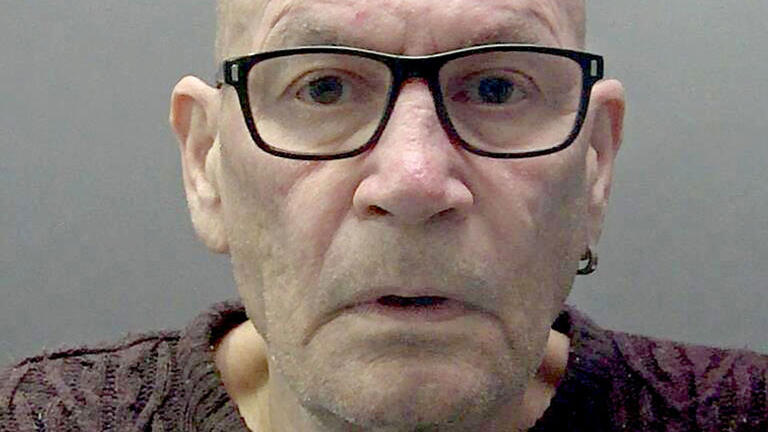
The impact of Mrs. Crown’s murder extended beyond her immediate family, affecting the entire community of Wisbech. The 86-year-old widow had been a well-known and respected figure, described by loved ones as “feisty” and “not afraid to speak her mind.” Her tragic and violent death left many in shock and fear, particularly the elderly residents of the area.
The police, recognizing their errors in the early handling of the case, issued an apology to Mrs. Crown’s family. Detective Superintendent Iain Moor admitted that the mistakes made in 2013 had hindered the investigation and delayed justice. However, he commended the forensic advancements and the determination of the investigative team, which ultimately led to Newton’s conviction.
This case serves as a stark reminder of the importance of thorough investigative procedures and the ever-evolving capabilities of forensic science. Had it not been for the advancements in DNA analysis, Newton might have continued to live freely, with Mrs. Crown’s murder remaining unsolved. The case also highlights the resilience of victims’ families in their pursuit of justice, proving that even after a decade, the truth can prevail.
As Newton begins his life sentence, the residents of Wisbech can find some solace in knowing that a dangerous individual has been held accountable for his crimes. For Mrs. Crown’s loved ones, while the pain of losing her can never be erased, the conviction of her killer brings a measure of closure and the long-awaited justice they have fought so hard to achieve.