
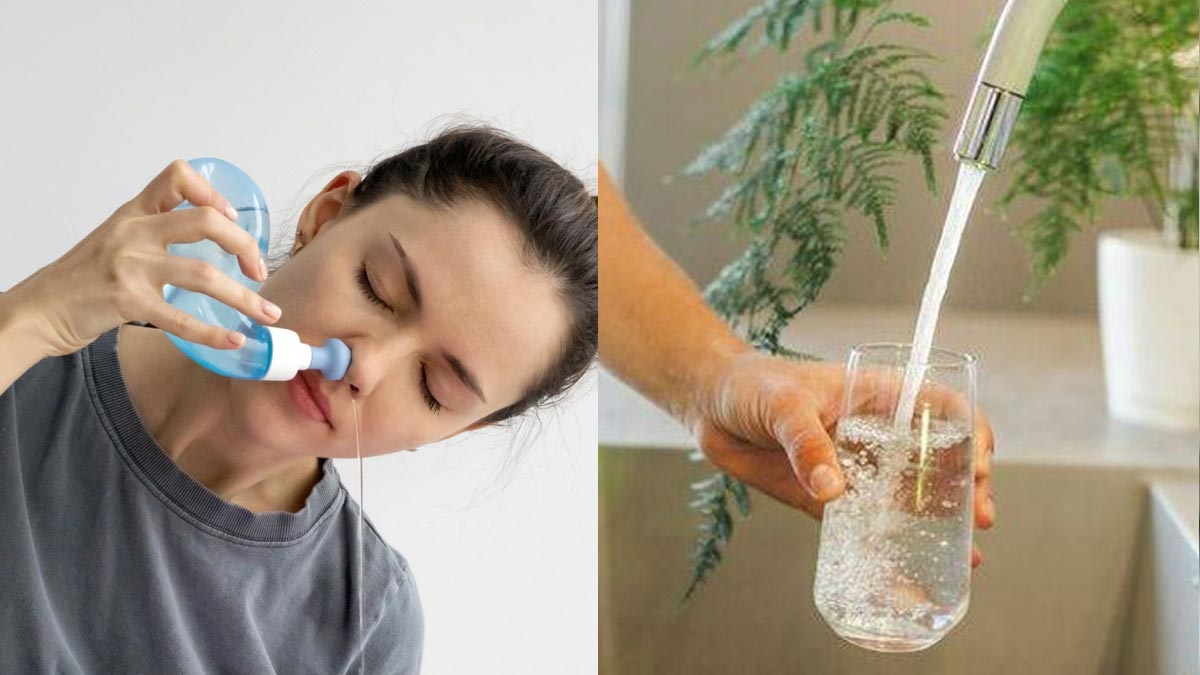
The case of a 71-year-old Woman Dies from Brain-Eating Amoeba has sparked serious public health concerns across the United States. Her death, confirmed by the Centers for Disease Control and Prevention (CDC), was attributed to Naegleria fowleri—popularly known as the “brain-eating amoeba.”
This microscopic organism is lethal and has claimed numerous lives over the decades. What makes this case even more alarming is how the infection occurred—not through swimming in a lake or river, but through a common sinus rinse using unsterilized tap water from a recreational vehicle (RV). Her death stands as a stark reminder about the hidden dangers lurking in untreated water and the devastating consequences they can cause.
The woman, who was reportedly in good health prior to the incident, had been camping in Texas and used a nasal irrigation device—likely a neti pot or similar tool—to relieve sinus congestion. However, instead of using sterile or boiled water, she rinsed her sinuses with water from the RV’s onboard supply. Unbeknownst to her, the water was contaminated with Naegleria fowleri, setting off a tragic chain of events that would end her life in just over a week.
Understanding Naegleria Fowleri and Its Lethal Impact
Naegleria fowleri is a free-living microscopic amoeba commonly found in warm freshwater environments like lakes, hot springs, and poorly maintained swimming pools. It can also be present in the soil and untreated water supplies, particularly in the southern United States, where temperatures tend to be higher.
What makes this organism so dangerous is how it infects the human body. It enters through the nose and makes its way to the brain, causing a condition known as primary amebic meningoencephalitis (PAM). Once the amoeba reaches the brain, it destroys brain tissue, leading to swelling, seizures, coma, and, in nearly all cases, death.
The infection is extremely rare, with only 164 cases documented in the U.S. between 1962 and 2023. However, the mortality rate is staggering—only four known survivors have ever been recorded. The infection progresses rapidly. In this case, the woman began experiencing symptoms such as headache, fever, and confusion within just four days of using the nasal rinse.
Read : Woman Goes Blind in One Eye After Swimming with Contact Lenses
Despite being hospitalized and receiving immediate treatment, her condition deteriorated quickly. She experienced seizures and eventually succumbed to the infection eight days after the onset of symptoms.
Read : 21 Incredible Benefits of Eating Soaked Almonds on an Empty Stomach
The CDC noted that the RV’s water system was “inadequately disinfected,” although Naegleria fowleri was not directly detected in the system. Nevertheless, the presence of conditions conducive to the amoeba’s survival makes the case particularly troubling. It underscores the importance of water treatment and raises questions about safety protocols in recreational vehicles and campgrounds that rely on non-municipal water supplies.
The Hidden Dangers of Nasal Irrigation and Improper Water Use
Nasal irrigation, when done correctly, is considered a safe and effective method for relieving sinus congestion and other nasal issues. Devices like neti pots, bulb syringes, and squeeze bottles are widely available and often recommended for individuals with allergies, colds, or sinus infections. However, the method carries risks when users do not adhere to proper sanitation guidelines.
According to the CDC, only sterile, distilled, or previously boiled and cooled water should be used for nasal irrigation. Using untreated tap water, even if it appears clean, can be dangerous. Tap water in the U.S. is generally safe for drinking due to its disinfection with chlorine and filtration systems.
However, it is not sterile and may still contain low levels of microorganisms, including bacteria and amoebae, that are harmless when ingested but potentially fatal when introduced to the body via the nasal passages.

This tragic case serves as a powerful reminder of the importance of following medical guidelines. The assumption that all tap water is universally safe can lead to disastrous outcomes, especially when used in ways that bypass the body’s natural defenses. The nose provides a direct path to the brain, and once an organism like Naegleria fowleri gains access, the infection is almost always lethal.
Health professionals stress the need for public awareness about the proper use of sinus rinsing devices. Instructions on these products should be clearer and more prominently emphasize the use of safe water. Moreover, individuals traveling or camping—especially in areas using untreated or non-municipal water sources—should be extra cautious and ensure they have access to distilled or adequately boiled water for any health-related uses.
Raising Public Awareness and Preventive Measures
The fatal infection of the Texas woman is part of a concerning trend in recent years, with more cases being reported as climate change contributes to warmer water temperatures—conditions in which Naegleria fowleri thrives. Though still rare, the amoeba’s geographic range may be expanding, posing a greater risk to people who swim in or use warm freshwater in unconventional ways.
Public health officials are urging the public to take simple but critical precautions to avoid exposure. For those swimming in lakes or rivers during the summer, especially in southern and southwestern states, it is advised to keep your head above water and avoid activities that could force water into your nose. Nose clips can be useful in reducing the risk of infection. Individuals should also avoid stirring up sediment in shallow, warm freshwater areas, as this is where the amoeba is most likely to be concentrated.
As for nasal irrigation, the CDC strongly recommends using only:
- Distilled or sterile water (available in stores).
- Boiled and cooled water (boil for 3–5 minutes, then allow to cool).
- Water passed through a filter with an absolute pore size of 1 micron or smaller.
In light of this case, there is also a renewed call for manufacturers of nasal irrigation products to improve their labeling and include warnings about the dangers of using untreated water. Additionally, there is a push for educational campaigns, especially targeted at vulnerable populations such as older adults or people with chronic sinus issues who are more likely to use these devices regularly.
The importance of proper water treatment extends beyond nasal rinsing. It is a broader public health issue that includes drinking water safety, recreational water use, and hygiene practices. The Texas woman’s case highlights how a simple act of rinsing one’s sinuses—a routine health maintenance practice for many—can turn deadly if done without adequate precaution.
As health departments and the CDC continue to investigate and report on such infections, they also aim to strengthen public knowledge and infrastructure for water safety. Enhanced surveillance, improved access to safe water, and community education can all contribute to reducing the already rare but tragic occurrences of PAM caused by Naegleria fowleri.
Ultimately, the message is clear: Naegleria fowleri infections are preventable. The key lies in vigilance, education, and adherence to public health recommendations. For now, the story of the Texas woman serves as a sobering cautionary tale—one that should prompt us all to take even the simplest health routines more seriously.