
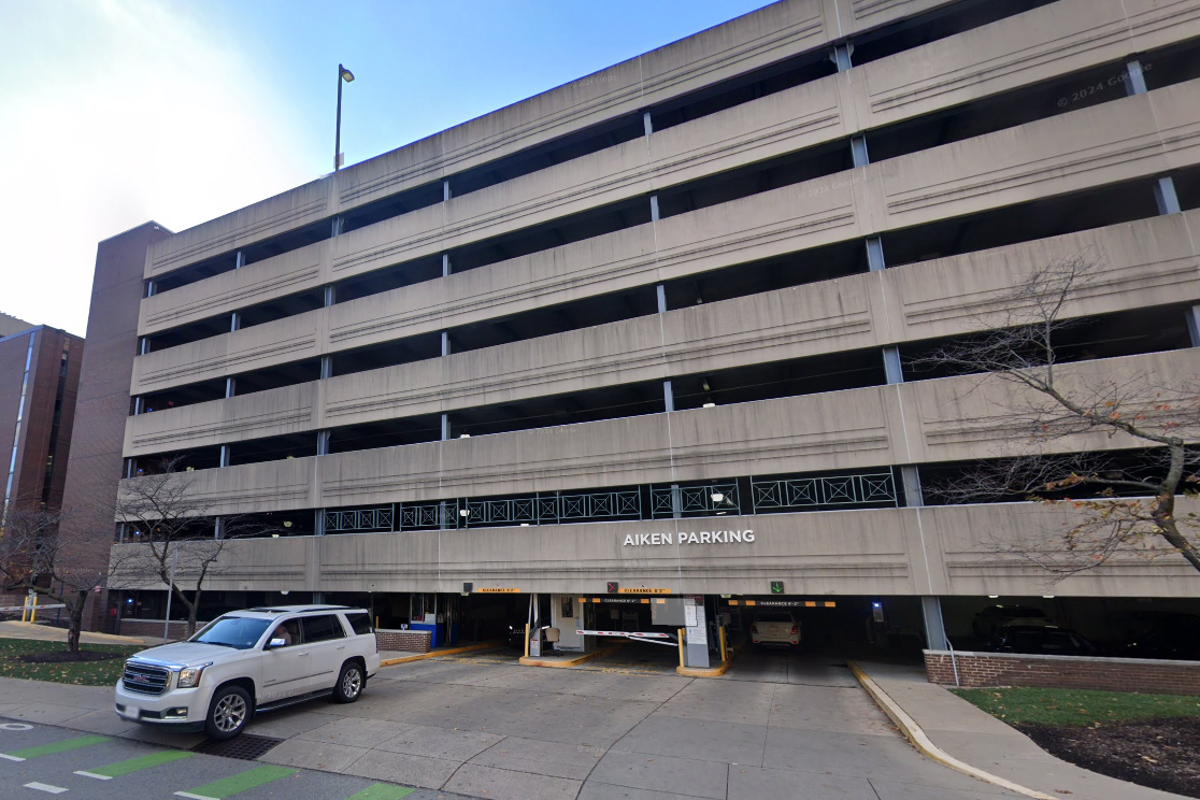
The sudden and deeply tragic death of 79-year-old Theresa Phillips has left her family shattered and demanding answers. The grandmother and U.S. Army veteran was on what should have been a routine trip to the hospital with her husband, Walter, when a horrific sequence of events unfolded in the parking garage of UPMC Shadyside Hospital in Pittsburgh, Pennsylvania.
What started as a simple act of retrieving a parking ticket ended in unimaginable tragedy. Her loved ones are now grappling with her loss and preparing to take legal action, seeking clarity and accountability for what they believe was a preventable incident.
Theresa Phillips had been an active, vibrant woman who enjoyed video games, bingo, and social activities. Her family describes her as someone who never sat still—always on the move, always involved. Her daughter, Marie Lawton, emphasized how deeply involved she was in her family’s daily life, noting how hard it’s been not being able to share small, everyday moments with her mother. Theresa Phillips wasn’t just a statistic or a name in a news story. She was a grandmother, a sister, a veteran, and a cherished presence in her family’s lives.
A Routine Visit Turns Tragic
On a spring day in April, Theresa Phillips and her husband drove to the University of Pittsburgh Medical Center’s Shadyside Hospital for a scheduled appointment. As they entered the facility’s Aiken Avenue parking garage, Phillips mistakenly turned into the wrong entrance. This required her to get out of the car to retrieve a parking ticket manually. In the confusion of the moment, Theresa Phillips allegedly failed to place the vehicle into park. The car rolled toward her as she exited, ultimately trapping her beneath its weight.
The family’s attorney, Matthew Scanlon, revealed that Walter Phillips made desperate attempts to save his wife. He tried to lift the vehicle in a frantic bid to free her but was ultimately powerless. The horror of watching a loved one get crushed to death, being so close yet unable to help, is something Walter may carry for the rest of his life. Scanlon called it an “absolutely preventable tragedy” and questioned how an event like this could happen within a few steps of a hospital entrance without immediate intervention.
Read : Quack Quack! Elderly Residents of Cape Coral in Fear as One Hospitalized After Duck Attack
According to Scanlon and the family, it took emergency services around 30 minutes to arrive at the scene. Given the location—directly connected to a hospital—the delay is being scrutinized. The family wants to understand why trained personnel from within the hospital were not alerted or dispatched immediately, given the proximity and the urgency of the situation.
Read : Zambian Elephant Kills American Tourist During Safari Drive : Watch Video
The parking garage in question, the Aiken Parking Garage, is located adjacent to UPMC Shadyside, a major medical facility in the Pittsburgh area. Its accessibility and connection to the hospital should ideally facilitate rapid emergency response, which is partly why the family and their legal counsel are questioning what went wrong.
Family’s Heartbreak and Legal Battle Ahead
Marie Lawton, Theresa Phillips’ daughter, is now left trying to make sense of her mother’s sudden and gruesome death. Her heartbreak is compounded by the frustration of unanswered questions. “She was very, very active; no grass grew under her feet,” Lawton said, reflecting on how involved her mother was in everyday life. “In the past two months, I’ve wanted to call my mom 20 times a day about the dumbest things… not being able to call her—that’s the hardest.”
Lawton also emphasized that the impact of her mother’s death isn’t limited to her or her father. It has deeply affected her husband, her children, and extended family members. Theresa Phillips was the cornerstone of her family, someone who provided emotional support, daily conversations, and joyful companionship.
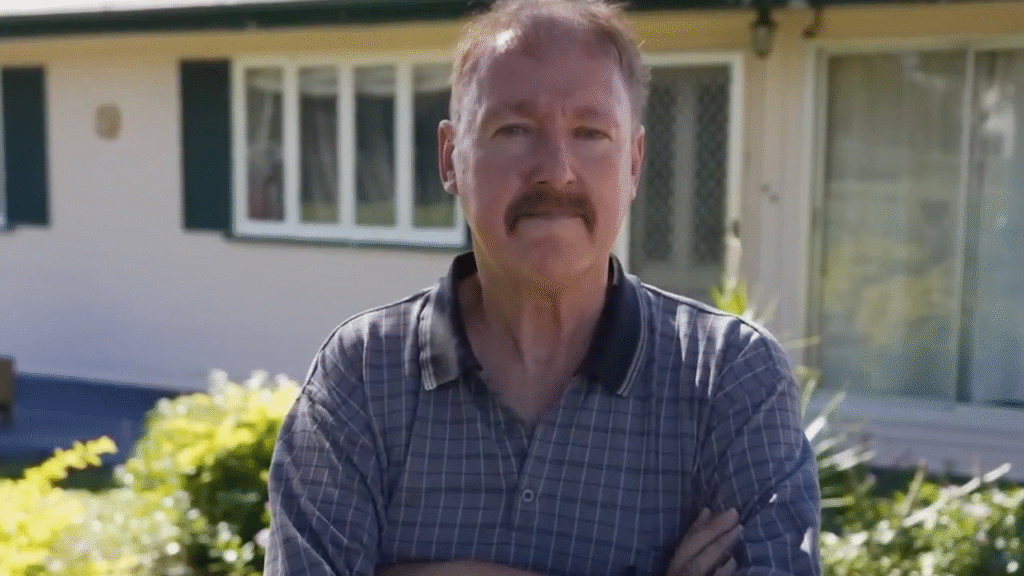
Attorney Matthew Scanlon has stated that the family intends to file a formal lawsuit in Allegheny County court within the next month. The goal is not just financial compensation; they are seeking a thorough investigation and public accountability. They want to uncover the details about the delayed emergency response, whether surveillance cameras captured the incident, whether parking lot design contributed to the danger, and what steps were taken—if any—by nearby hospital staff during those crucial minutes.
“The public deserves answers on this,” said Scanlon. “This is a public safety issue. UPMC being the largest provider in the area, we all deserve answers to this.” He pointed out that if a facility like UPMC cannot prevent or respond rapidly to such incidents happening on their property, it raises serious questions about safety protocols in place not just for patients but for visitors and families.
Marie echoed that sentiment, emphasizing the personal over the procedural. “It’s not on the world. It’s the impact on me, on my husband, on my grandchildren, on my dad. That’s where she left the impact, and we take it out into the world,” she said. For her, this tragedy is a constant shadow in the lives of her loved ones—a presence they now carry every day in their grief.
The Call for Institutional Accountability
The incident has raised important questions about how hospitals and large healthcare institutions manage the safety and emergency preparedness of adjacent infrastructure such as parking garages. While UPMC Shadyside has issued a formal statement expressing condolences and saying emergency services responded promptly, the family’s experience suggests otherwise. The 30-minute delay reported by them is now central to their grievance.
Moreover, the fact that no hospital staff intervened or appeared to be aware of the life-threatening situation taking place just outside the hospital’s doors is a point of particular concern. The family is pushing for a full review of what measures, if any, are in place for monitoring parking areas and ensuring quick medical response to emergencies.
UPMC’s statement, while polite and professional, does little to address the critical issues at stake. “While emergency crews quickly responded, the victim did not survive. Our deepest sympathies are with the family,” a spokesperson said. However, the term “quickly responded” rings hollow to a grieving family who waited over half an hour as their loved one lay dying beneath her own vehicle.
This case also sheds light on a broader issue—how well institutions prioritize the safety of non-patient individuals on their premises. Families, caregivers, and visitors are part of the hospital ecosystem. Many of them are elderly themselves or otherwise vulnerable. The expectation is that in a place dedicated to preserving life, any life-threatening emergency on or near the premises should be met with an immediate and trained response. If that system fails, it undermines public trust in healthcare facilities as safe environments.
In addition, the structure and design of the parking garage itself may come under scrutiny. Was there adequate signage? Were there emergency alert buttons or phones within reach? Was surveillance functioning properly? These are technical but essential questions, especially in environments where vulnerable populations frequently travel.
As the family prepares for a legal battle, they are also preparing emotionally to relive this trauma publicly. Their courage in seeking answers is not just for personal closure but could lead to institutional changes that may prevent such tragedies from happening again.
This story is a stark reminder of how, even in the most advanced facilities, human error, infrastructural gaps, and bureaucratic inertia can lead to irreversible consequences. Theresa Phillips should have returned home that day. She should have lived to enjoy more time with her husband, children, and grandchildren. Instead, her family is left picking up the pieces, trying to ensure that her death is not in vain.
The outcome of their legal efforts could pave the way for changes in emergency response protocols and improve safety standards at hospitals across the country. But no court decision, no settlement, and no policy change can bring Theresa Phillips back. For her family, justice will only be partially served if it ensures that no other family ever has to endure such pain in a place meant for healing.