
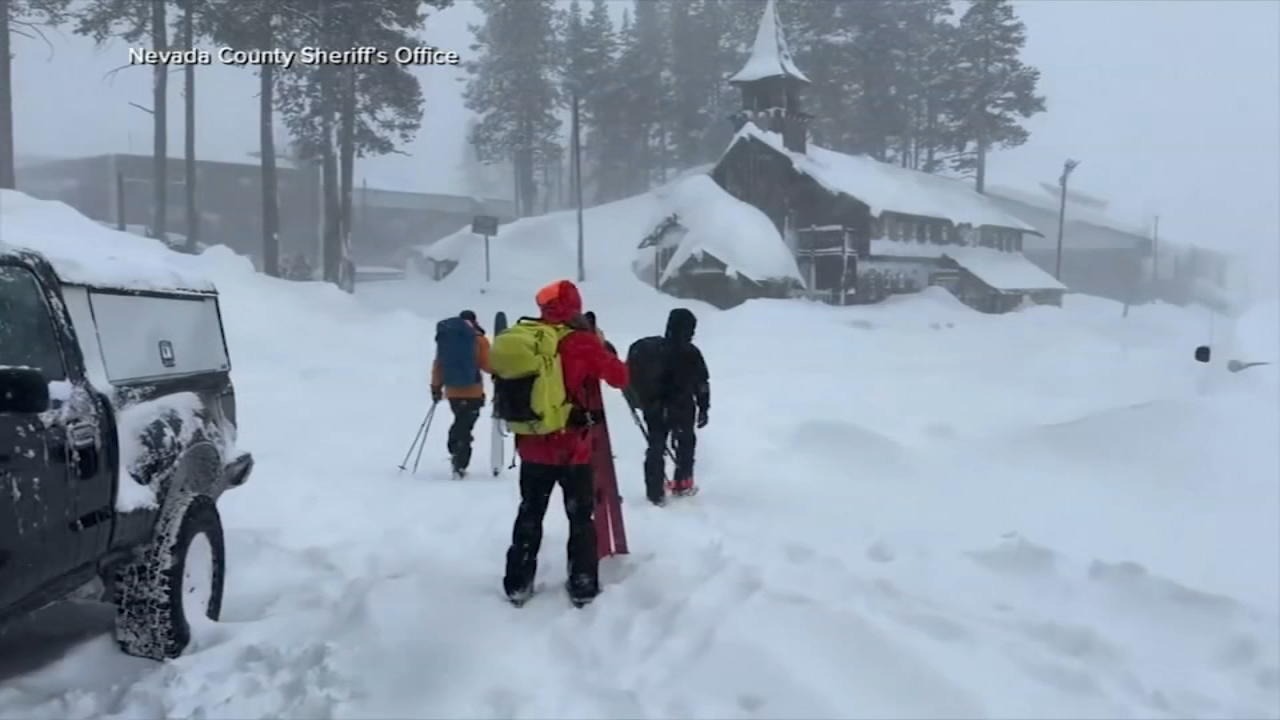
A devastating avalanche in California’s Lake Tahoe backcountry has claimed the lives of multiple skiers, marking one of the region’s most tragic winter incidents in recent years. Rescue teams searching the Castle Peak area confirmed that eight missing skiers have been found dead following a massive slide that struck on Tuesday. Authorities continue to search for one final missing person, who is now presumed dead, as hazardous weather and unstable snow conditions complicate recovery operations.
The avalanche, described by officials as spanning the size of a football field, swept through the backcountry late in the morning as a group of recreational skiers and guides were returning from a multi-day trip. What began as an urgent rescue effort quickly transformed into a grim recovery mission amid severe weather, heavy snowfall, and treacherous terrain. Families have been notified, but officials have not yet publicly released the identities of the victims. The tragedy has shaken the local community, rescue personnel, and the wider outdoor recreation world, underscoring the unforgiving nature of high-risk winter landscapes.
The Avalanche and the Immediate Aftermath
The avalanche struck in the Castle Peak area near Lake Tahoe at approximately 11:30 local time, unleashing a powerful cascade of snow that engulfed a group of skiers traveling through the backcountry. Fifteen individuals were initially reported missing as the snow surged downhill with immense force, covering a wide swath of terrain and burying people, gear, and any visible markers that could aid rescue efforts. Authorities later described the avalanche as having a destructive potential rating of D2.5 on a five-level scale, indicating a slide capable of burying vehicles, damaging structures, and devastating anything in its path.
Search and rescue teams were mobilized quickly, but conditions were far from favorable. Since the initial avalanche, the region has received an additional three feet of snowfall, further destabilizing the terrain and increasing the risk of secondary slides. These ongoing hazards prevented immediate recovery of the victims’ bodies, many of which remain trapped beneath dense and shifting snow deposits. Officials described the environment as “treacherous” and warned that the hazard level remains high, complicating both search operations and future access to the area.
The scale of the avalanche and the depth of accumulated snow created a challenging and time-sensitive scenario. Rescue teams faced limited visibility, extreme cold, and unstable ground while attempting to locate survivors. As hours passed, the probability of finding additional people alive diminished significantly. Ultimately, six individuals were rescued, but eight were confirmed dead, and the final missing skier is now believed to have perished as well.
8 SKIERS FOUND DEAD, 1 MISSING AFTER MASSIVE LAKE TAHOE AVALANCHE
— Real America's Voice (RAV) (@RealAmVoice) February 19, 2026
“Eight skiers went missing this week after an avalanche near Lake Tahoe in California had been found dead, and one is still missing, authorities said Wednesday.” – @slickricksports reports.@damonroberts @lfs6b… pic.twitter.com/vVYgwJ5CcC
Authorities confirmed that those who died included seven women and two men. Their bodies will be transported to the county morgue once recovery operations can be conducted safely. The emotional toll of the tragedy has been particularly severe for rescue personnel, as one of the deceased was the spouse of a member of the search-and-rescue team. Officials acknowledged the strain this placed on those continuing the mission under already demanding and dangerous conditions.
The Race to Rescue Survivors
Search-and-rescue crews worked rapidly under extreme circumstances in an effort to locate survivors before exposure and injuries became fatal. Approximately 50 personnel from multiple agencies participated in the operation, navigating deep snow, high winds, and unstable slopes to reach those trapped in the avalanche zone. Specialized equipment was required, and teams had to ski into remote terrain because vehicles could not safely reach the site.
By late afternoon on Tuesday, rescuers had made contact with survivors who had managed to shelter in makeshift tents roughly two miles from the main search access point. The journey to reach them was physically demanding and risky, involving navigation through difficult backcountry terrain and persistent storm conditions. Despite the challenges, crews successfully reached the survivors and began the process of evacuation.
Read : Stuart Leslie and Shaun Overy Die After Being Swept Away by Avalanche in Courmayeur Resort
Two of the rescued individuals were unable to walk due to injuries sustained during the avalanche. They had to be carried out by rescue teams and were later transported to hospital with non-life-threatening injuries. The remaining survivors also required assistance but were able to move with support. Their survival has been attributed to a combination of rapid rescue response, emergency sheltering, and the experience of at least one professional guide within the group.
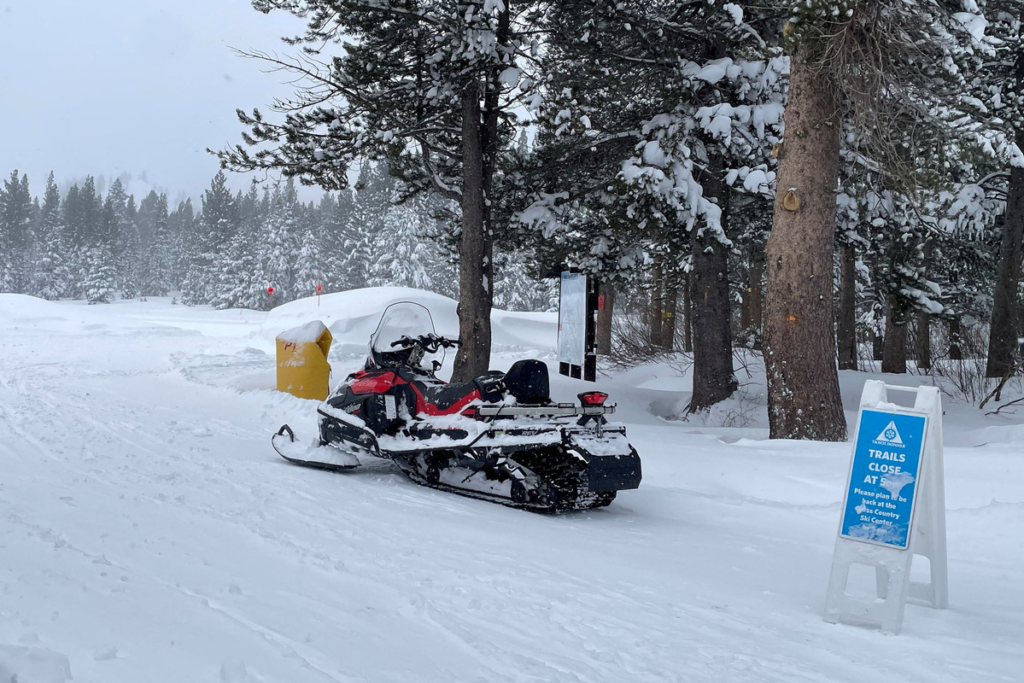
The skiing party consisted of eleven recreational participants and four professional guides, all of whom had been on a three-day guided tour in the backcountry. They were returning from the trip when the avalanche occurred. Among those who survived were one guide and five clients, indicating that the slide struck with sudden and overwhelming force that left little time for coordinated escape.
Rescue officials emphasized that reaching survivors required extraordinary coordination between agencies and personnel. Teams had to contend not only with the immediate aftermath of the avalanche but also with worsening weather that continued to drop heavy snow across the region. Despite these obstacles, the successful evacuation of six individuals represented a significant achievement under dangerous and unpredictable conditions.
Yet even as survivors were brought to safety, the emotional weight of the operation grew heavier. The realization that many others remained buried under deep snow shifted the mission from rescue to recovery. For many involved, the transition marked a painful acknowledgment of the avalanche’s devastating impact.
Dangerous Conditions and the Wider Impact
Weather conditions in the Lake Tahoe region have played a central role in both the avalanche itself and the difficulty of response efforts. The powerful winter storm responsible for the slide also produced intense snowfall, high winds, and limited visibility across the area. Nearby ski facilities reported significant accumulation, with more than 30 inches of snow falling since the incident. Some resorts closed operations due to hazardous conditions, while major transportation routes, including key highways, were shut down because of dangerous travel conditions.
Read : Skier Triggers Avalanche Outside Lake Louise Ski Area Boundary in Banff National Park
The avalanche’s destructive scale and the continued snowfall have created persistent instability in the snowpack. Officials warn that the risk of additional avalanches remains elevated, making the backcountry especially dangerous for recreational use. Authorities have urged the public to avoid entering remote mountainous terrain until conditions stabilize, emphasizing that ongoing recovery operations require full concentration of emergency resources.
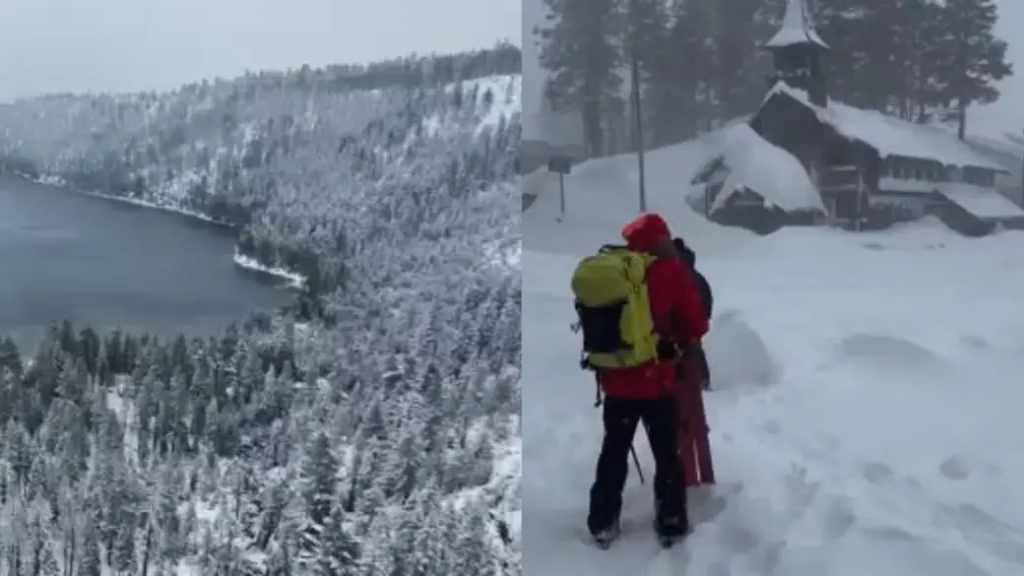
The tragedy has drawn attention to the inherent risks of backcountry skiing, even among experienced participants and guided groups. Avalanches can occur suddenly, and large storms can dramatically alter snow stability in a short period of time. The combination of heavy snowfall, wind-driven accumulation, and shifting temperatures can create layers of snow prone to collapse, triggering slides capable of traveling long distances at high speeds.
In addition to its impact on the victims and their families, the incident has deeply affected the broader community. Rescue teams faced both physical danger and emotional strain while conducting operations in an environment that remained unpredictable and hostile. The involvement of individuals personally connected to the victims further intensified the emotional burden carried by responders.
State and local authorities coordinated an extensive emergency response, working together to support search efforts and manage public safety concerns. Officials continue to monitor conditions and plan recovery operations that can be carried out safely when weather permits. Until then, the avalanche site remains an unstable and hazardous zone, with deep snow concealing both victims and potential dangers beneath the surface.
As recovery teams prepare to retrieve those who were lost, the scale of the disaster serves as a stark reminder of the power of winter storms and the unpredictable nature of mountainous terrain. The Lake Tahoe avalanche stands as a tragic example of how quickly conditions can change in the backcountry and how even well-prepared groups can be overwhelmed by natural forces beyond human control.