

The sentencing of an elderly driver responsible for a devastating crash in San Francisco’s West Portal neighborhood has sparked intense public debate over justice, accountability, and the limits of the legal system. Nearly two years after the tragic incident that claimed the lives of a young family of four, the court’s decision to impose probation instead of incarceration has left grieving relatives struggling to reconcile the magnitude of their loss with what they perceive as a lenient outcome.
The case has drawn attention not only because of the heartbreaking circumstances of the victims but also because of the broader questions it raises about how courts balance compassion, age, and responsibility when lives are irrevocably altered. The driver, 80-year-old Mary Fong Lau, was sentenced to two years of probation, 200 hours of community service, and a three-year revocation of her driver’s license.
The sentence followed her decision to change her plea from not guilty to no contest on four counts of vehicular manslaughter. While the court cited her advanced age, lack of prior criminal history, and visible remorse as mitigating factors, the victims’ family and prosecutors expressed deep dissatisfaction, arguing that the punishment does not adequately reflect the severity of the tragedy.
A Devastating Crash That Shattered a Family
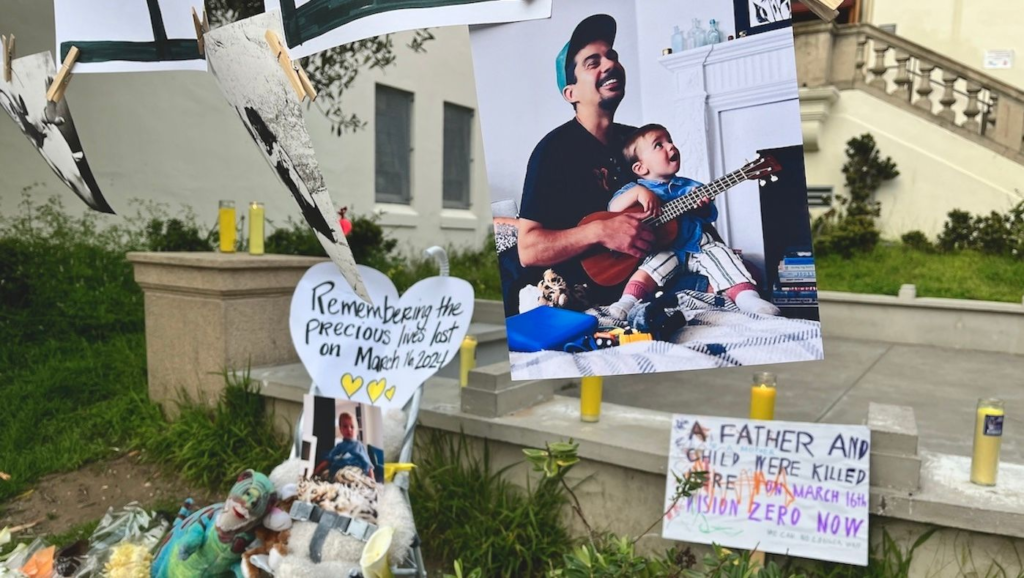
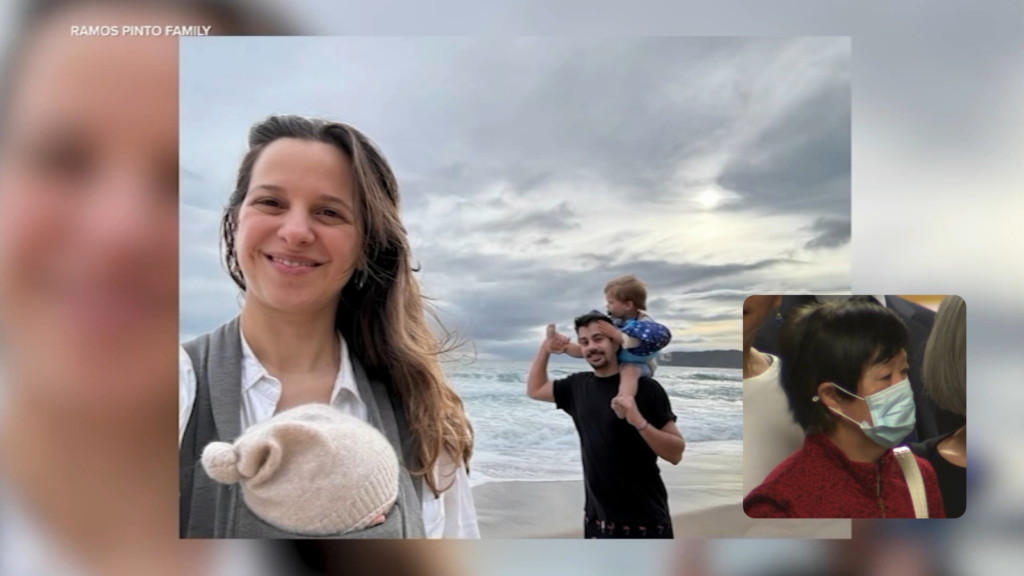
The events leading up to the sentencing trace back to a quiet Sunday morning in 2024, when a family outing turned into an unimaginable tragedy. Diego Cardoso de Oliveira, his wife Matilde Pinto, and their two infant sons were waiting at a bus shelter, reportedly on their way to the zoo to celebrate their anniversary. What should have been a joyful day instead ended in catastrophe when Mary Fong Lau’s vehicle veered into oncoming traffic at high speed before crashing into the shelter where the family stood.
Prosecutors indicated that the vehicle reached speeds of up to 70 miles per hour before impact, a detail that underscores the violence of the collision. The force of the crash killed Oliveira, Pinto, and their young child Joaquin at the scene, while their two-month-old baby Caue succumbed to injuries later. In the aftermath, family members faced the agonizing decision to remove the infant from life support, choosing to donate his organs to help other children.
Investigators later confirmed that there was no evidence of intoxication, distracted driving, or mechanical failure. Lau was not using her phone, nor did she suffer a medical emergency at the time of the crash. The absence of a clear explanation for why the vehicle accelerated and veered off course has added another layer of frustration and confusion for those seeking closure.
Read : 4,000-Year-Old Skull Reveals Ancient Egyptians Were Trying to Cure Cancer
The victims were described as devoted parents and vibrant individuals building a life together in San Francisco. Originally from Brazil and Portugal, the couple had previously lived in the United Kingdom before relocating. They were professionals in creative fields, contributing to industries such as advertising and technology. Their lives, along with the futures of their children, were abruptly and permanently cut short.
Courtroom Reactions and a Sentence Under Scrutiny
The sentencing hearing became a focal point for emotional testimony and public scrutiny. Family members delivered victim impact statements that conveyed the depth of their grief and the enduring consequences of the loss. Their words painted a vivid picture of a family that had been filled with love, ambition, and promise, only to be destroyed in an instant.
Despite these statements, the judge ultimately determined that incarceration was not appropriate in this case. The decision rested heavily on Lau’s personal circumstances, including her age and clean criminal record. The court also acknowledged her expressions of remorse, which were conveyed through an interpreter during the proceedings. Lau reportedly faced the victims’ family, bowed, and repeatedly apologized.
For the victims’ relatives, however, the apology and the sentence fell far short of what they believed justice required. Many had advocated for at least some form of confinement, whether through jail time or home detention. Their disappointment was compounded by the belief that their voices had not been fully considered in the final decision.
Prosecutors also voiced concern about the outcome, emphasizing that the sentence did not align with the gravity of the offense. The district attorney’s office highlighted the limitations they faced due to the nature of the plea, which allowed the judge greater discretion in determining the sentence. This dynamic underscored a recurring tension in the legal system, where procedural realities can shape outcomes in ways that may not satisfy all parties involved.
The case has since become a point of discussion about whether existing legal frameworks adequately address incidents involving elderly drivers. While compassion and fairness are essential components of justice, critics argue that they should not overshadow accountability, particularly in cases involving multiple fatalities.
Balancing Accountability, Age, and Justice
At the heart of the controversy lies a complex question: how should the justice system weigh factors such as age and intent against the irreversible consequences of an individual’s actions? In this case, Lau’s advanced age played a significant role in the court’s reasoning, raising broader ethical and legal considerations.
Read : Jordan Miller, Sole Survivor of Fiery Piedmont Cybertruck Crash Sues Tesla
Supporters of the sentence may argue that imprisonment of an elderly individual with no prior criminal history serves limited practical purpose, particularly if there is no evidence of malicious intent. They may view probation and community service as a more humane response, especially given the apparent lack of recklessness in the traditional sense, such as driving under the influence.
However, critics contend that the scale of the tragedy demands a stronger response, regardless of the driver’s age. They argue that accountability should not be diminished simply because the individual responsible is elderly, especially when four lives have been lost. For them, the sentence risks sending a message that certain mitigating factors can outweigh even the most severe consequences.
The case also highlights the unpredictability of vehicular incidents and the challenges in determining responsibility when no clear cause is identified. Without evidence of impairment or mechanical failure, the question of what led to the crash remains unresolved. This uncertainty can make it more difficult for both the court and the victims’ families to find a sense of closure.
Beyond the legal arguments, the emotional impact on the victims’ family cannot be overstated. Their sense of injustice reflects not only their personal grief but also a broader societal expectation that the legal system should provide outcomes that feel proportionate to the harm caused. When those expectations are not met, it can lead to a loss of confidence in the system itself.
The restitution process, which is still pending, represents another aspect of the case that remains unresolved. While financial compensation can never replace the lives lost, it is often seen as a tangible acknowledgment of responsibility. The anticipated range of payments reflects the complexity of assessing damages in cases involving multiple victims and profound emotional loss.
As the community continues to process the aftermath of the crash and the court’s decision, the case serves as a reminder of the delicate balance that courts must navigate. Justice is not always a straightforward equation, and decisions that aim to be fair in a legal sense may still leave those most affected feeling unheard.
The West Portal tragedy will likely remain a reference point in discussions about traffic safety, elderly drivers, and the boundaries of judicial discretion. It underscores the need for ongoing dialogue about how to prevent such incidents and how to ensure that responses to them reflect both compassion and accountability in equal measure.