
For more than four decades, Michael Carney made the same journey from his home in Northwich to the hallowed grounds of Old Trafford. His seat, nestled perfectly on the halfway line between the dugouts and the directors’ box, wasn’t just a place from which to watch football—it was a sacred space, filled with memories, emotions, and a deep personal history.
But that place, which has served as Carney’s weekly perch since 1980, is now being taken away in favor of corporate hospitality. The change, carried out by Manchester United as part of an effort to increase revenue, has left Carney and others like him feeling sidelined, disrespected, and heartbroken.
A Lifetime of Loyalty Overlooked
Michael Carney’s connection to Manchester United goes beyond fandom—it borders on devotion. At 81 years old, his bond with the club has been shaped through the ages, a journey that began with the Busby Babes and evolved through decades of triumph and heartbreak.
He’s seen legends rise and fall: the grace of George Best, the brilliance of Bobby Charlton, the flair of Denis Law, the tenacity of Bryan Robson, and the modern greatness of Cristiano Ronaldo. Each player etched into his memory, each game forming a page in his personal book of football life.
Carney’s loyalty is not just evident in his attendance, but in the memorabilia he’s preserved. Old newspaper clippings from the tragic Munich air disaster, match reports from Benfica in 1966, and the epic 3-3 draw with Real Madrid in 1968—all lovingly kept. His love for United is not performative or commercial. It’s deeply rooted in the essence of the club’s history and soul.
Read : Philadelphia Eagles Fan Performs Black Magic on Patrick Mahomes: Watch
So when a letter arrived as part of his season ticket renewal, coldly informing him that his seat was among a “small number” to be reallocated to make way for hospitality upgrades, it was more than just disappointing—it was devastating.
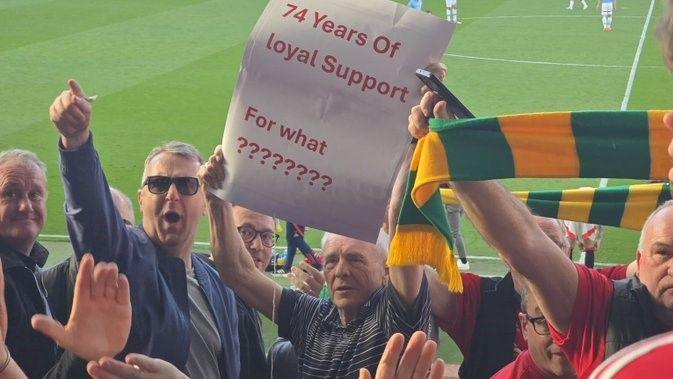
"74 years of loyal support – for what?" 🪧
— Match of the Day (@BBCMOTD) April 8, 2025
An 81-year-old Manchester United fan is being forced to leave his season ticket seat so the club can make more money from it. pic.twitter.com/nnQEXJxRji
The club stated the shift was necessary “to reflect the high value of this unique location and help raise hospitality revenue.” In other words, Carney’s legacy and loyalty had been priced out.
The Rise of Commercial Interests Over Legacy Fans
Michael Carney’s situation highlights a growing conflict in modern football: the clash between the commercial ambitions of elite clubs and the emotional investment of long-time supporters.
Manchester United, like many Premier League teams, is increasingly looking to optimize stadium space for profitability. This means replacing legacy fans with wealthier clients or tourists willing to pay hundreds of pounds for a single matchday experience in a luxury suite.
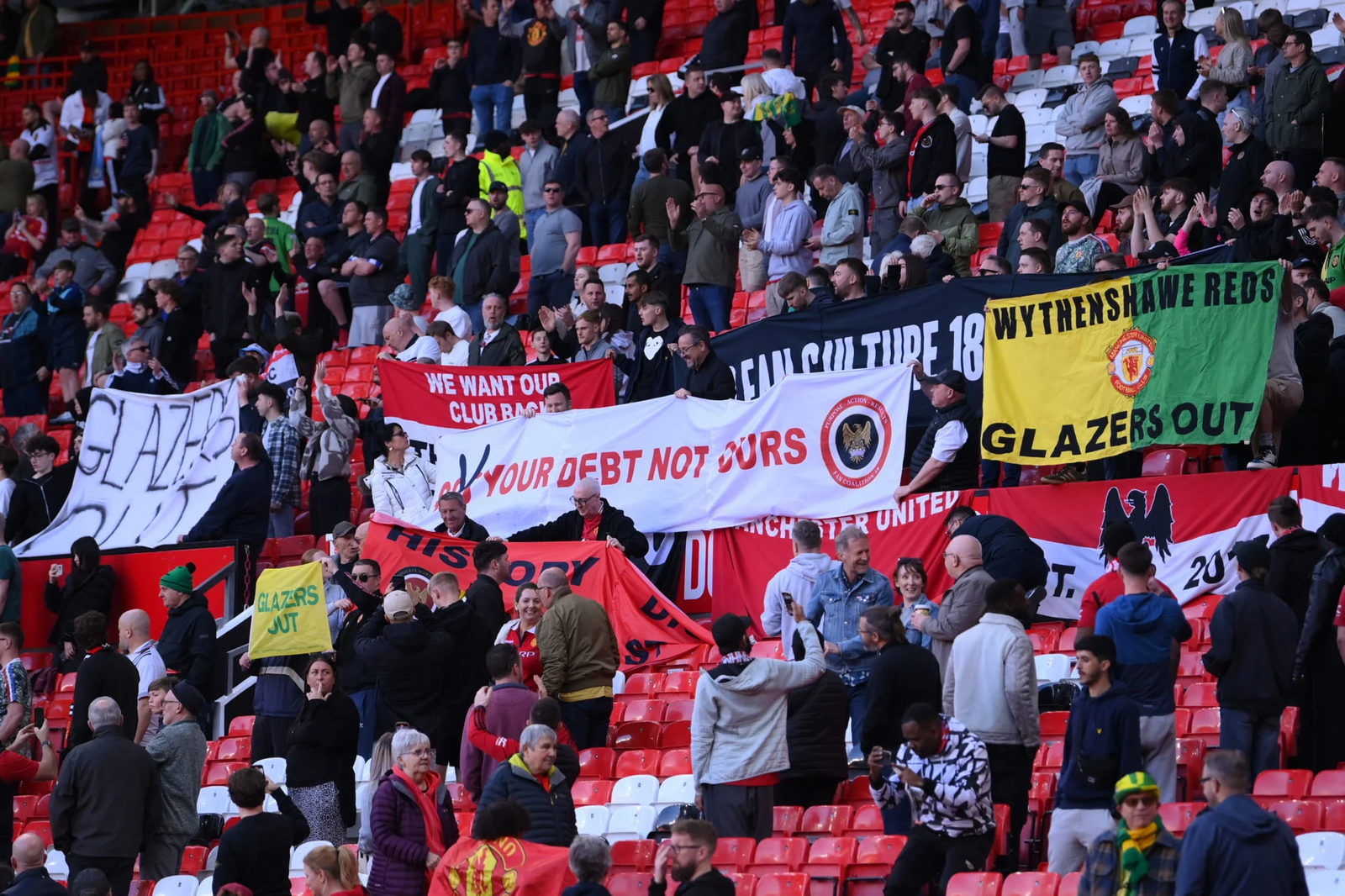
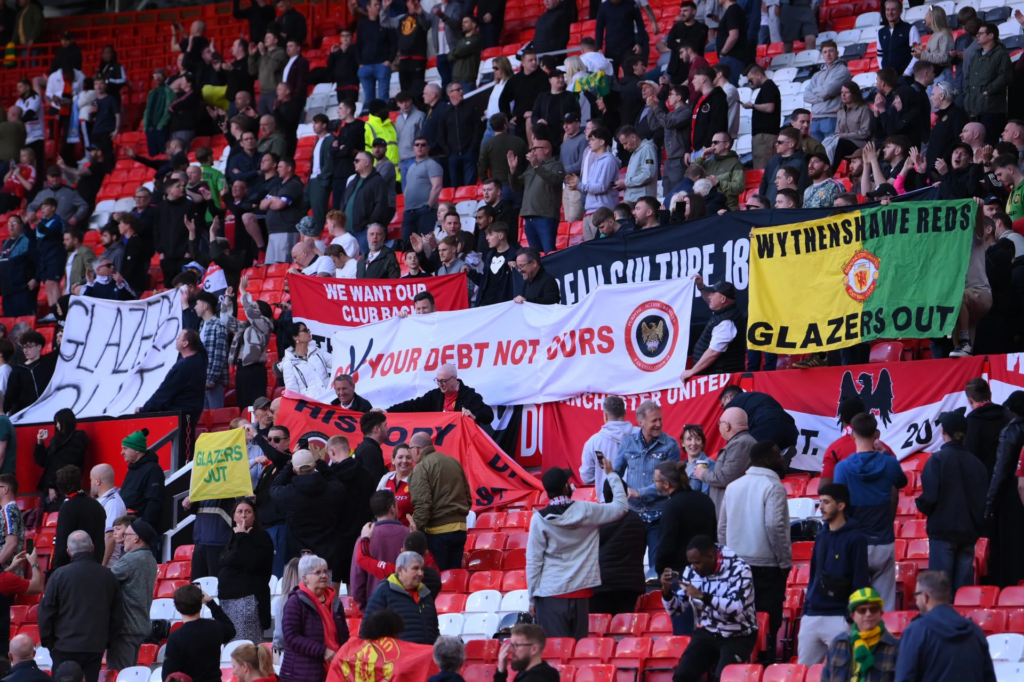
This shift was evident not just at United, but across English football in recent weeks. Protests erupted at Tottenham Hotspur. Manchester City supporters voiced their frustration against similar decisions at their club.
Fans at Chelsea and West Ham have raised concerns about their voices being drowned out in a sea of corporate interests. The core supporters—the lifeblood of matchday atmosphere and historical continuity—are being pushed to the margins.
Michael Carney’s banner during the Manchester derby said it all: “74 years of loyal support – for what?” It was a direct message to the directors’ box, held up midway through the second half of a goalless draw against City. The moment was powerful.
Carney had waited for an opportunity—preferably an injury stoppage—but by the 60th minute, he could wait no longer. He stood up and silently protested, holding the banner high. The crowd around him turned and applauded, recognizing not just his message, but the man behind it.
For Michael Carney, the protest was personal. But for many fans watching, it was emblematic of a larger movement. The sit-in demonstration arranged by the 1958 fan group after the match only cemented that sentiment.
A growing number of supporters are tired of being treated as expendable in the face of rising prices, diminishing concessions, and growing financial burdens—all while clubs continue to service enormous debts and prioritize revenue from corporate guests.
Beyond the Seat: The Emotional Toll
What hurts Michael Carney the most is not simply the loss of the physical seat, but the erosion of a tradition that spans generations. He travels to matches with his disabled grandson, forming part of a ritual that defines their bond.
The same faces have surrounded him for years in the Sir Bobby Charlton stand, forming a tight-knit community where banter, shared passion, and mutual respect created a sense of belonging. This, too, will be lost when the club reassigns their places.
The season ticket renewal letter didn’t come with a conversation, a personal phone call, or even a gesture of thanks. It was a cold, bureaucratic notice with a small paragraph buried at the bottom.
Michael Carney has yet to receive the promised call from the club to discuss alternative seating. Though he expects to move, he knows it won’t be the same. Wherever he ends up, the view will change, but more painfully, so will the people. The traditions, routines, and unspoken camaraderie will be broken.
Even before the announcement, Carney and others had noticed signs of a creeping transformation. Emails from the club encouraged fans to release their seats if they couldn’t attend, often resold to visitors for up to £300.
Michael Carney and his neighbors began to see fewer familiar faces and more one-time spectators, paying premium prices for a matchday experience rather than living a lifelong passion. Now, that quiet shift has become a deliberate strategy: move out the old, bring in the high-paying new.
Still, Carney hasn’t made a final decision about whether he’ll return next season. The bitterness is palpable. “My first reaction was ‘I have been watching them for so long and it is all about money, I don’t want to go next season’,” he admits. And yet, after everything, United is part of who he is. Walking away would be like severing a piece of his identity.
Football clubs have often spoken about legacy, heritage, and the importance of fans. But moments like this reveal how quickly that rhetoric can dissolve in the face of profit.
Michael Carney’s story is not just a cautionary tale, but a rallying cry—a reminder that the heart of football is not found in VIP lounges or revenue statements, but in the people who’ve been there through every kick, every cheer, every heartbreak.
When a man who has devoted 74 years of his life to the club is told, in effect, to “clear off” if he doesn’t like the changes, it becomes clear that something fundamental is being lost. The question fans must now ask—at United and beyond—is: if the soul of the club isn’t worth protecting, then what’s left to fight for?