
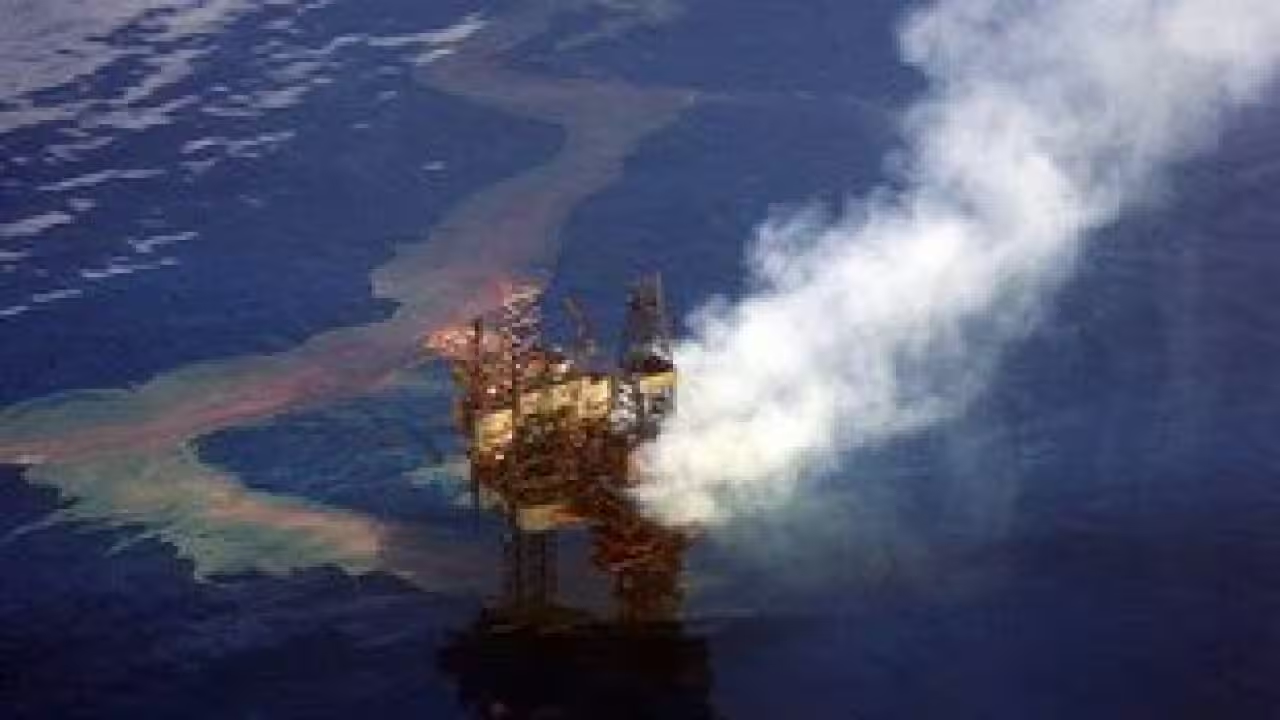
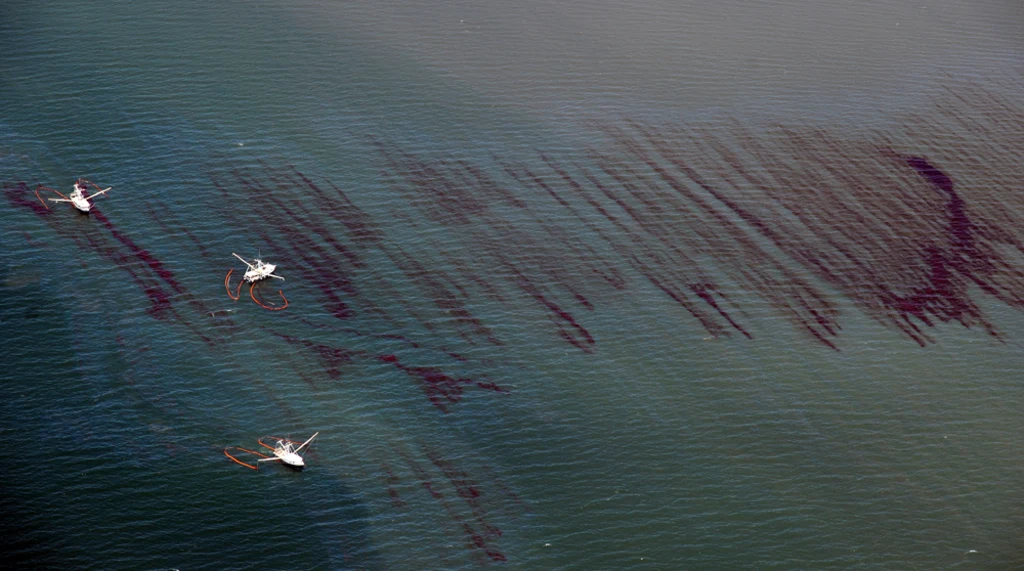
Pipeline safety regulators in the United States have issued a record civil penalty against Third Coast Midstream, the Houston-based company responsible for a significant oil spill in the Gulf of Mexico off the coast of Louisiana in 2023. The Pipeline and Hazardous Materials Safety Administration assessed a $9.6 million fine after determining that the company’s failures contributed to the release of approximately 1.1 million gallons of oil from an offshore pipeline.
While the penalty represents the largest single fine ever proposed by the agency, regulators and safety advocates have noted that the amount may not pose a substantial financial burden for a company with extensive pipeline assets and strong access to capital. The enforcement action follows months of investigation and echoes findings by the National Transportation Safety Board, which concluded that systemic safety lapses and delayed response were central factors in the incident.
Details of the Spill and Regulatory Findings
The oil spill originated from the 18-inch Main Pass Oil Gathering pipeline, an underwater line owned by Third Coast that runs through the Gulf of Mexico near Louisiana. According to federal investigators, the release was caused by underwater landslides that compromised the structural integrity of the pipeline. These landslides were linked to geohazards such as hurricane-related seabed movement, a risk that regulators and industry experts say has long been recognized in offshore pipeline operations.
PHMSA’s enforcement documents outlined a series of operational and management failures that, taken together, led to the magnitude of the spill. The agency found that Third Coast did not adequately assess risks associated with changing environmental conditions, particularly those related to land movement on the seafloor. Investigators said the company failed to perform new integrity analyses or evaluations even after circumstances changed in ways that elevated the pipeline’s risk profile. As a result, known threats were not properly mitigated.
A critical issue identified by both PHMSA and the NTSB was the company’s response once early warning signs appeared. Control room operators reportedly saw gauge readings that suggested a possible leak but did not shut down the pipeline for nearly 13 hours. During that time, oil continued to flow into the Gulf, significantly increasing the total volume released. Regulators said Third Coast lacked proper emergency procedures and had not ensured that staff were prepared to respond decisively to abnormal operating conditions.
Read : AP Journalists Banned from White House Over Gulf of Mexico’s Name
The NTSB’s final report, released in June, reinforced these conclusions. It stated that Third Coast missed multiple opportunities to evaluate how geohazards might threaten the pipeline’s integrity. The board emphasized that information about hurricane-driven land movement and its impact on offshore pipelines was widely available within the industry. By failing to incorporate this knowledge into its safety planning and integrity management, the company left the pipeline vulnerable to a foreseeable risk.
Read : Soaring Adventures: Exploring the Top Ten Most Famous Water flyboard Destination
While the spill was far smaller than the 2010 Deepwater Horizon disaster, which released an estimated 134 million gallons of oil into the Gulf, investigators stressed that the comparison does not diminish the seriousness of the 2023 incident. The NTSB noted that the spill could have been substantially smaller if operators had acted more quickly after the first indications of a problem, underscoring the importance of timely decision-making in pipeline control rooms.
Record Fine and Questions of Deterrence
The $9.6 million penalty assessed against Third Coast stands out because of its size relative to previous enforcement actions by PHMSA. In most years, the agency’s total fines across all pipeline operators range from $8 million to $10 million, making this single penalty nearly equivalent to an entire year of civil enforcement. Regulators described the fine as proportionate to the severity of the violations and the scale of the spill, particularly given the environmental sensitivity of the Gulf of Mexico.
Pipeline safety advocates welcomed the record fine but raised concerns about whether it would meaningfully change industry behavior. Bill Caram, executive director of the Pipeline Safety Trust, characterized the spill as the result of a company-wide systemic failure that demonstrated an inability to effectively implement safety regulations. He said the magnitude of the incident justified a historic penalty but cautioned that even record fines often fail to have real financial impact on large operators.
According to estimates cited by Caram, the proposed fine represents less than 3 percent of Third Coast Midstream’s annual earnings. The company has ownership interests in roughly 1,900 miles of pipelines and, in September, announced that it had secured a loan of nearly $1 billion. Against that backdrop, critics argue that a $9.6 million fine may be absorbed as a cost of doing business rather than serving as a deterrent against future noncompliance.
The question of deterrence has long been a challenge for pipeline regulators. Civil penalties are capped by statute, limiting how high fines can go regardless of a company’s size or profitability. Safety advocates contend that this framework can undermine enforcement efforts when penalties do not outweigh the perceived savings of deferring maintenance, risk assessments, or system upgrades. Caram summarized this concern by saying that true deterrence requires penalties that make noncompliance more expensive than compliance.
PHMSA officials, however, emphasized that fines are only one tool in the agency’s enforcement arsenal. In addition to monetary penalties, the agency can require corrective actions, increased oversight, and operational changes designed to prevent similar incidents. In the case of Third Coast, regulators have indicated that the company will be expected to address deficiencies in its emergency response planning, integrity management, and risk assessment processes as part of the enforcement outcome.
Company Response and Broader Implications for Pipeline Oversight
Third Coast has disputed aspects of the regulators’ allegations while acknowledging that it is working to address concerns related to the spill. A company spokesperson said that after two years of what it described as constructive engagement with PHMSA, the firm was surprised by certain details included in the agency’s enforcement action and by the size of the proposed fine. The spokesperson indicated that Third Coast believes some allegations are inaccurate and exceed established precedent, and said the company plans to raise these issues with regulators as the process moves forward.
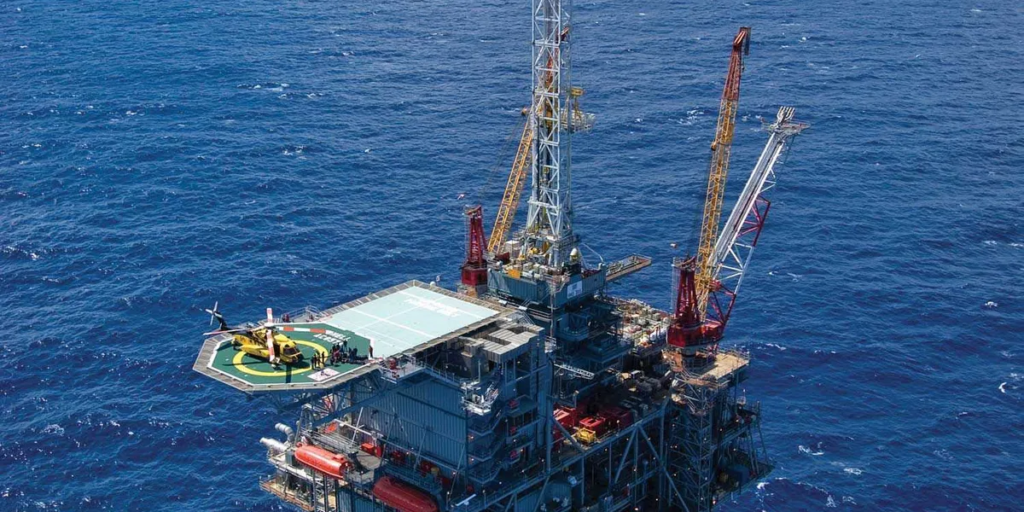
The enforcement action highlights broader challenges facing pipeline oversight in offshore environments, particularly as climate-related factors such as stronger hurricanes and shifting seabeds increase risks. Investigators from the NTSB stressed that the hazards involved in the 2023 spill were not novel or unforeseeable. Instead, they reflected well-documented threats that have been discussed within the industry for years. The failure, in the board’s view, was not a lack of knowledge but a lack of action.
For regulators, the case underscores the importance of ensuring that pipeline operators continuously reassess risks as conditions change. Offshore pipelines, unlike their onshore counterparts, are exposed to dynamic geological forces that can evolve rapidly after major storms. Integrity management programs are intended to account for these changes, but the NTSB found that Third Coast did not update its analyses despite evidence of new and elevated risk factors.
The spill also draws attention to the role of human decision-making in pipeline safety. Even with physical vulnerabilities present, investigators concluded that a faster shutdown could have significantly reduced the volume of oil released. This finding has implications for how companies train control room operators, design alarm systems, and establish protocols for responding to ambiguous data. Regulators have increasingly focused on these operational aspects, recognizing that technology alone cannot prevent spills if warning signs are not acted upon promptly.
As the enforcement process continues, the Third Coast case is likely to be closely watched by other pipeline operators and by policymakers considering whether existing penalties are sufficient to ensure compliance. The record fine sends a signal that regulators are willing to use the full extent of their authority in response to serious violations, but the debate over whether such penalties are large enough to drive systemic change remains unresolved.
Been trying out ggwinbet lately and it has been treating me well! I definitely recommend trying it yourself. Here is the link: ggwinbet
It’s truly a nice and helpful piece of info. I’m happy that you simply shared this useful info with us. Please stay us informed like this. Thanks for sharing.
This really answered my problem, thank you!