
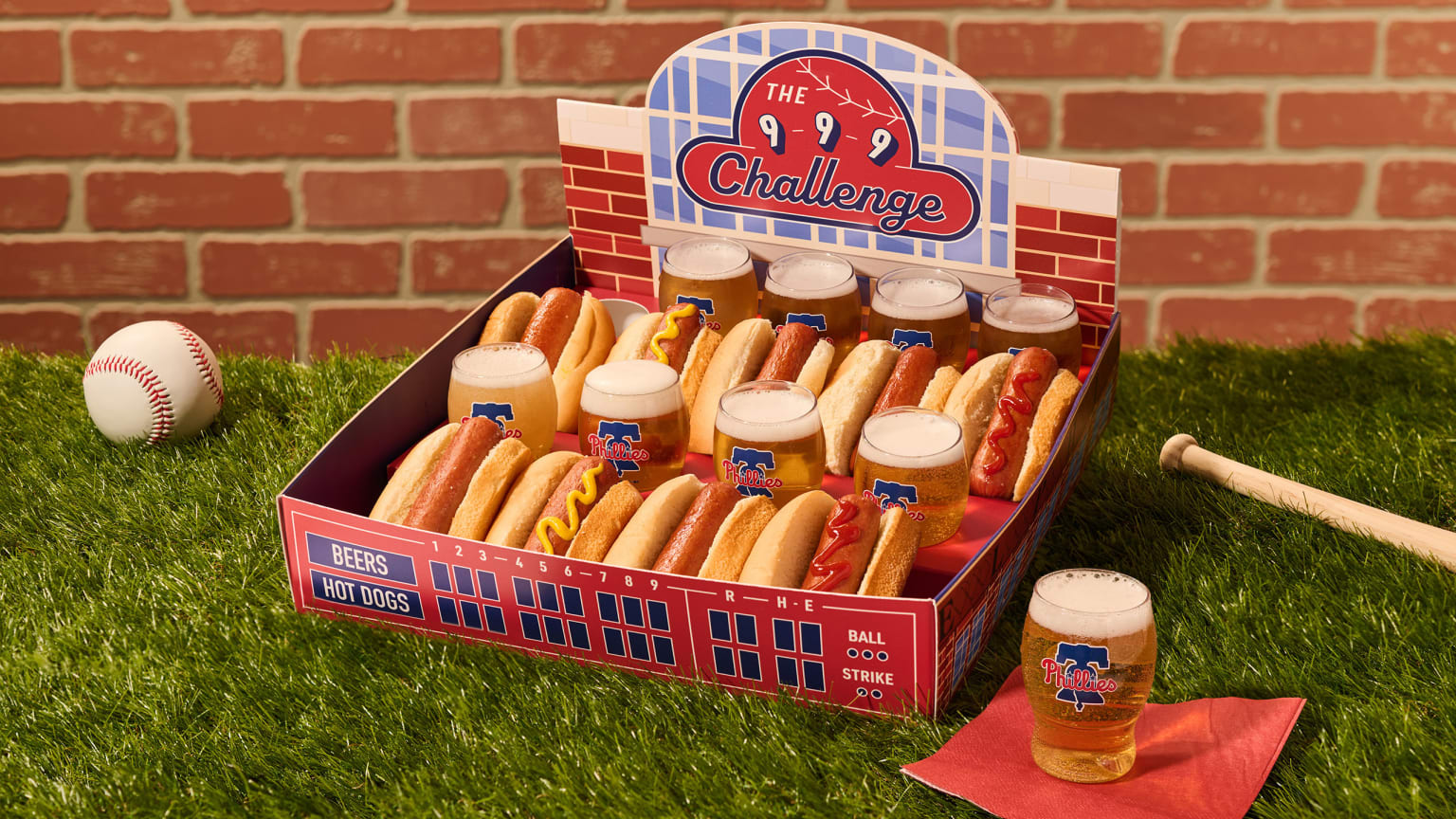
The culture of attending a baseball game has always been about more than just what happens on the field. From the crack of the bat to the rhythm of the crowd, the experience blends sport with leisure, tradition, and indulgence. Among the many rituals tied to the game, food and drink have long played a central role, with hot dogs and beer becoming iconic staples of the ballpark atmosphere. In recent years, however, a new trend has emerged that takes this culinary tradition to an extreme. Known as the 9-9-9 Challenge, it has grown from an informal fan experiment into a widely discussed phenomenon now being embraced by professional teams.
The concept is simple but demanding: consume nine hot dogs and drink nine beers over the course of a standard nine-inning baseball game. What began as a tongue-in-cheek test of endurance among fans has evolved into a viral challenge shared across social media platforms, with participants documenting their attempts and outcomes. Some approach it as a badge of honor, while others treat it as a humorous spectacle. Regardless of perspective, the 9-9-9 Challenge has gained enough traction to catch the attention of Major League Baseball organizations, prompting them to offer official versions within their stadiums.
The recent introduction of an adapted version of the challenge at a major ballpark reflects a broader shift in how teams engage with fans. By formalizing what was once an unofficial activity, teams are turning viral culture into curated experiences. This development highlights the intersection between sports entertainment and digital trends, where fan participation extends beyond cheering into interactive, and sometimes extreme, activities that redefine the game-day experience.
The Origins and Evolution of the 9-9-9 Challenge
The 9-9-9 Challenge did not originate as an official promotion or organized contest. Instead, it emerged organically within fan communities, particularly online forums and social media spaces where baseball enthusiasts share stories, jokes, and personal experiences. The idea itself is rooted in the long-standing association between baseball and concession food, especially the hot dog, which has been synonymous with the sport for over a century. Beer, similarly, has been a staple of the stadium environment, contributing to the relaxed and communal atmosphere of the game.
Over time, fans began to experiment with pushing these traditions to their limits. The notion of consuming one hot dog and one beer per inning became a kind of informal benchmark, a test of both appetite and stamina. Early attempts were often shared as humorous anecdotes, with participants recounting their struggles, strategies, and, in many cases, failures. As these stories circulated, the 9-9-9 Challenge gained notoriety, evolving into a recognizable trend among baseball audiences.
Social media played a critical role in amplifying the 9-9-9 Challenge’s popularity. Platforms that encourage short-form content and viral sharing allowed participants to document their attempts in real time, often with comedic or dramatic flair. Videos and posts showcasing the progression of the nine innings—complete with visible fatigue and escalating difficulty—helped turn the challenge into a spectacle. This visibility not only increased participation but also attracted the attention of a broader audience, including those who may not have been traditional baseball fans.
Read : DCGI Orders Withdrawal of Cancer Drug Olaparib for Certain Treatments
As the 9-9-9 Challenge grew in prominence, it began to take on a more structured identity. Discussions around rules, pacing strategies, and variations became common, with some participants introducing modifications to make the challenge more manageable or more extreme. Despite these variations, the core concept remained consistent, preserving the balance between food, drink, and the natural timeline of a baseball game. This consistency helped solidify the 9-9-9 Challenge as a recognizable and enduring part of modern baseball culture.
How MLB Teams Are Adapting the Challenge for Fans
The transition of the 9-9-9 Challenge from an unofficial activity to an officially supported offering marks a significant shift in how professional teams interact with fan-driven trends. Recognizing the popularity and entertainment value of the challenge, some organizations have begun to incorporate it into their concession offerings, creating structured and accessible versions for attendees. This approach allows teams to capitalize on a viral phenomenon while maintaining control over how it is presented and experienced within the stadium.
Read : 9-Year-Old JackLynn Blackwell Dies Attempting Viral ‘Blackout Challenge’
One notable adaptation involves modifying the scale of the 9-9-9 Challenge to make it more approachable for a wider audience. Instead of requiring participants to consume full-sized hot dogs and standard servings of beer, teams have introduced smaller portions, such as mini hot dogs and flight-sized beer samples. This adjustment reduces the physical intensity of the challenge while preserving its core structure, making it more inclusive and less daunting for casual fans.
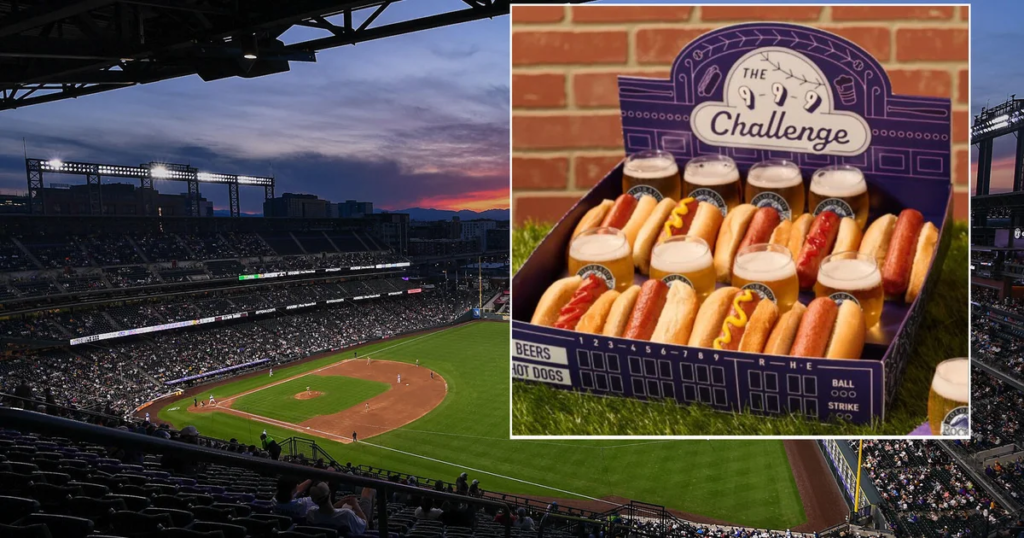
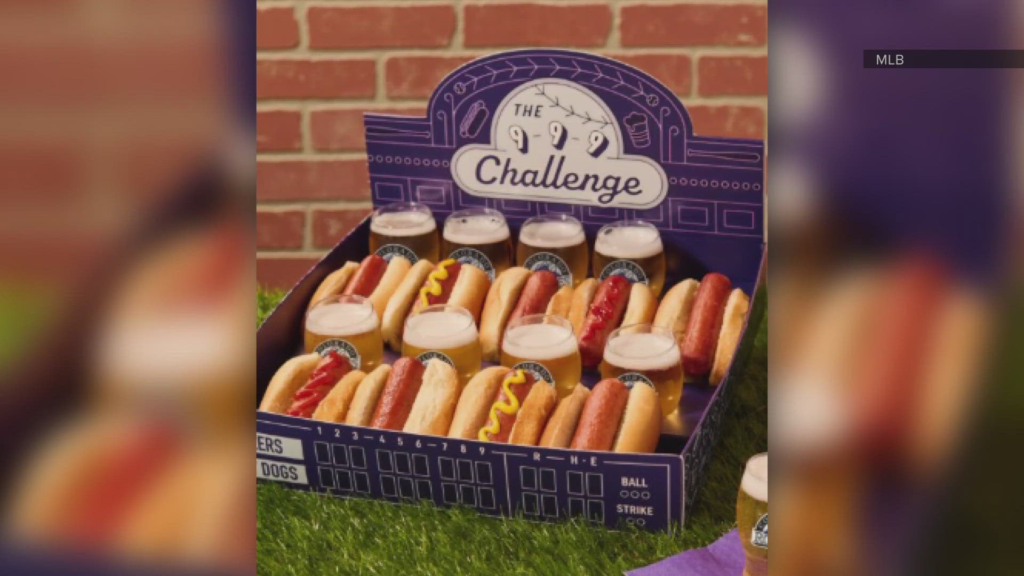
Packaging also plays a role in the official version of the challenge. By offering all nine servings in a single, curated box, teams streamline the experience, eliminating the need for participants to make multiple trips to concession stands. This convenience enhances the appeal of the challenge, allowing fans to focus on the experience rather than logistics. Additionally, designated concession locations within the stadium help create a sense of exclusivity and organization, further distinguishing the official version from its informal origins.
Pricing is another factor that reflects the transformation of the 9-9-9 Challenge into a commercial product. While the cost may be higher than purchasing individual items separately, the bundled offering provides a unique and memorable experience that goes beyond standard concessions. For many fans, the appeal lies not just in the food and drink, but in the opportunity to participate in a widely recognized challenge within a communal setting.
By adopting the 9-9-9 Challenge, teams are also tapping into the broader trend of experiential entertainment. Modern sports audiences increasingly seek interactive and shareable moments, and the challenge fits neatly into this demand. It encourages participation, fosters camaraderie among fans, and generates content that can be shared online, extending the reach of the stadium experience beyond its physical boundaries.
The Appeal and Risks Behind the Viral Eating Trend
The enduring appeal of the 9-9-9 Challenge lies in its combination of simplicity, humor, and social engagement. At its core, the challenge is easy to understand, requiring no special skills or preparation beyond a willingness to participate. This accessibility makes it attractive to a wide range of fans, from dedicated baseball enthusiasts to casual attendees looking for a unique way to enhance their game-day experience.
Read : Who Is Shelby Kuyawa, 34-Year-Old Sommelier Killed in Bombardier Challenger Private Jet Crash?
The challenge also carries a strong social component. Whether attempted individually or as part of a group, it often becomes a shared experience that brings people together. Friends may compete to see who can complete the challenge, while others simply enjoy observing and reacting to each inning’s progression. This communal aspect aligns with the broader spirit of baseball games, where collective enjoyment and interaction are central to the atmosphere.
Humor plays a significant role in the challenge’s popularity. The inherent absurdity of consuming such a large quantity of food and drink within a fixed timeframe lends itself to comedic storytelling. Participants frequently document their attempts with a mix of confidence and self-awareness, acknowledging the difficulty while embracing the entertainment value. This blend of challenge and comedy helps sustain interest and encourages ongoing participation.
However, the 9-9-9 Challenge is not without its risks. The consumption of large amounts of food and alcohol in a relatively short period can have physical consequences, ranging from discomfort to more serious health concerns. While the official adaptations introduced by teams aim to mitigate these risks through smaller portions, the underlying concept still involves a level of excess that may not be suitable for everyone.
There are also broader considerations related to responsible consumption. Stadium environments already encourage indulgence, and the addition of a structured eating and drinking challenge can amplify this tendency. Teams and fans alike must navigate the balance between entertainment and moderation, ensuring that the experience remains enjoyable without leading to negative outcomes.
Despite these concerns, the continued popularity of the 9-9-9 Challenge suggests that it fulfills a specific niche within the baseball experience. It represents a modern reinterpretation of traditional ballpark culture, blending long-standing culinary staples with contemporary trends in social media and interactive entertainment. As more teams explore ways to incorporate the challenge into their offerings, it is likely to remain a visible and evolving part of the game-day landscape.