

The deaths of nine African migrants in a remote mountainous area near the Morocco–Algeria border have drawn renewed attention to the human cost of irregular migration routes across North Africa. According to Moroccan rights groups, the migrants died after being exposed to extreme cold in Ras Asfour, a sparsely populated region known for harsh winter conditions and plunging nighttime temperatures.
The victims, seven men and two women from sub-Saharan Africa, were reportedly exhausted and unable to withstand the freezing weather. Their deaths underscore the dangers faced by thousands of migrants who traverse isolated border zones each year while attempting to reach Europe, as well as the broader political, humanitarian, and legal challenges surrounding migration control in the region.
The tragedy has been described by human rights organizations as deeply concerning and emblematic of systemic failures in protecting migrants’ basic rights, including the right to freedom of movement and the right to life. While migration across North Africa has long been marked by risk, the circumstances surrounding these deaths have reignited debate about border enforcement practices, regional cooperation with the European Union, and the lack of effective mechanisms to prevent loss of life in remote transit areas.
Circumstances Surrounding the Deaths in Ras Asfour
The bodies were discovered in Ras Asfour, a mountainous area in eastern Morocco close to the Algerian border, a zone frequently used by migrants attempting to move westward toward coastal crossing points or northward toward Spanish enclaves. The Moroccan Association of Human Rights stated that the migrants died as a direct result of exposure to extreme cold, noting that their physical exhaustion left them unable to survive the freezing temperatures. Winter conditions in this region can be severe, particularly at night, when temperatures drop sharply and shelter is scarce.
According to the association, one of the deceased migrants was identified as being from Guinea, while the remaining victims were from various sub-Saharan African countries. Specific details about their identities have not yet been made public, highlighting a recurring challenge in migrant fatalities: the difficulty of identification and notification of families. Six of the bodies were buried last week, while two were retained at the request of relatives, indicating ongoing efforts by families and advocacy groups to obtain information and accountability.
Morocco’s Interior Ministry did not immediately respond to requests for comment regarding the incident, a silence that has been criticized by rights groups seeking greater transparency. In similar past cases, authorities have often emphasized the dangers of irregular migration and the role of smugglers, while human rights organizations have pointed to structural factors, including forced displacement, poverty, and restrictive border policies, that push migrants into perilous routes.
Read : Africa: Exploring the Continent of Contrasts
Ras Asfour’s isolation illustrates how migrants often end up in inhospitable terrain as they attempt to avoid detection by security forces. As border surveillance increases along more established routes, migrants and smugglers alike are pushed toward remote mountains, deserts, and maritime passages, where the risks of exposure, dehydration, and death are significantly higher. The deaths near the Morocco–Algeria border reflect this pattern, in which enforcement pressure reshapes migration routes rather than eliminating migration altogether.
North Africa as a Transit Hub and the Risks of Irregular Migration
North Africa has long served as a major transit region for migrants from sub-Saharan Africa seeking to reach Europe’s southern borders. Each year, thousands attempt to cross from Morocco to Spain, either by scaling border fences around the Spanish enclaves of Ceuta and Melilla, swimming short but dangerous stretches of water, or embarking on longer and more hazardous journeys to the Canary Islands through the Atlantic Ocean. Others attempt crossings from Libya or Tunisia toward Italy, facing similar dangers at sea.
Moroccan security forces regularly report intercepting and blocking these attempts, often citing cooperation agreements with the European Union aimed at curbing irregular migration. These agreements have strengthened border surveillance, expanded patrols, and increased funding for migration control infrastructure. While such measures have reduced the number of successful crossings at certain points, they have also contributed to a shift in routes toward more dangerous areas, including remote border zones like Ras Asfour.
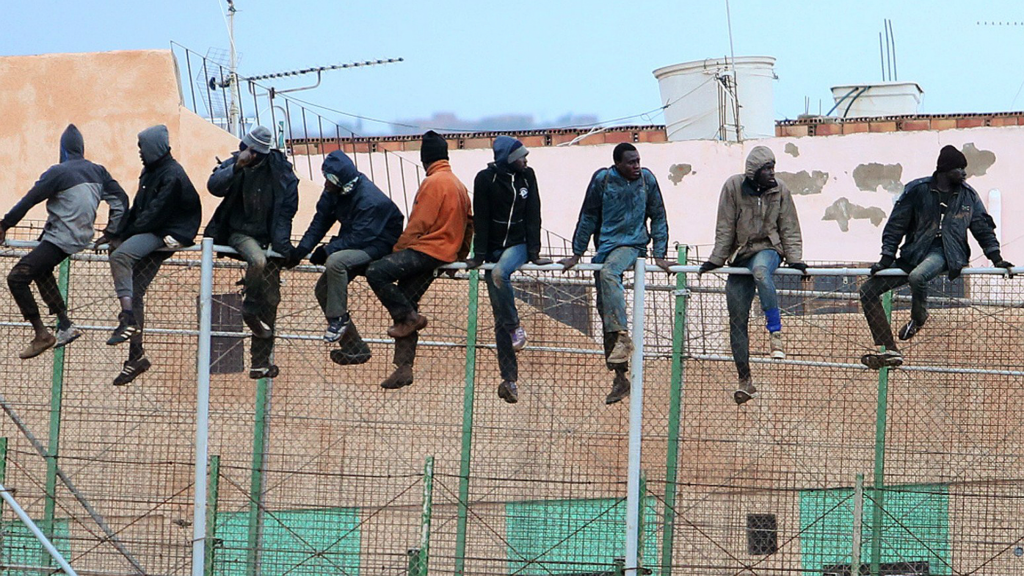
For many migrants, the journey through North Africa is not a brief transit but an extended period marked by uncertainty and vulnerability. Some spend months or even years in countries like Morocco, working informally in construction, agriculture, or domestic labor to fund future attempts to cross. Others rely on humanitarian aid or support from migrant communities while waiting for opportunities. During this time, migrants may face precarious living conditions, limited access to healthcare, and exposure to exploitation or abuse.
The risk of death is not limited to maritime crossings. Exposure to extreme temperatures, whether heat in desert regions or cold in mountainous areas, poses a serious threat. In winter, regions like eastern Morocco can become deadly for those without adequate clothing, shelter, or food. Migrants traveling on foot, often after long journeys and with limited resources, are particularly susceptible to hypothermia and exhaustion.
The deaths near the Morocco–Algeria border highlight how environmental factors intersect with migration policy. As enforcement efforts intensify, migrants are effectively funneled into landscapes that magnify natural hazards. Human rights advocates argue that this dynamic creates a predictable and preventable loss of life, raising questions about the responsibility of states to ensure that border control measures do not result in inhumane or life-threatening conditions.
Human Rights Concerns and Calls for Policy Reform
In the aftermath of the Ras Asfour deaths, Moroccan and regional human rights organizations have renewed calls for changes in migration policy and border management. The Moroccan Association of Human Rights described the incident as a violation of fundamental rights and stated its intention to follow up on the case. The group emphasized the need for accountability, transparency, and measures to prevent similar tragedies.
Read : South Africa’s Constitutional Court Rules Husbands Can Take Wives’ Surnames
Separately, the Moroccan Organisation of Human Rights called for the humanisation of borders, the decriminalisation of irregular migration and residence, and the establishment of a mechanism to track missing migrants. Such a mechanism, advocates argue, would help families locate loved ones, ensure dignified handling of remains, and provide data to better understand and address the causes of migrant deaths.

These demands reflect broader debates across Europe and Africa about how migration is managed. Critics of current approaches argue that treating irregular migration primarily as a security issue overlooks the humanitarian dimensions of movement driven by conflict, economic inequality, and environmental stress. They contend that deterrence-focused policies, particularly when implemented without adequate safeguards, contribute to a cycle of risk and death rather than offering sustainable solutions.
Supporters of stricter border controls, on the other hand, maintain that states have a right and obligation to regulate entry and combat smuggling networks. They argue that cooperation with the European Union has helped reduce dangerous crossings and disrupt criminal operations. However, even within this framework, there is growing recognition that enforcement alone cannot address the root causes of migration or eliminate the need for protection and humanitarian assistance.
The Ras Asfour tragedy adds to a long list of incidents in which migrants have died far from the public eye, in deserts, mountains, and detention facilities. Each such case raises questions about visibility and accountability. Unlike high-profile shipwrecks in the Mediterranean, deaths in remote border regions often receive limited attention, despite being part of the same broader phenomenon.
Human rights organizations argue that preventing future deaths requires a combination of measures, including safer and legal pathways for migration, improved access to asylum procedures, better coordination between states, and emergency response systems in high-risk areas. They also stress the importance of respecting international human rights standards, regardless of a person’s migration status.
The deaths of nine migrants near the Morocco–Algeria border serve as a stark reminder of the human cost embedded in current migration dynamics. As long as economic disparities, political instability, and restrictive entry policies persist, people will continue to undertake dangerous journeys. The challenge for states in North Africa and Europe alike is to manage migration in a way that upholds security while also safeguarding human life, a balance that remains difficult to achieve but increasingly urgent in light of repeated tragedies such as this one.
123win44 has become my favorite online casino. The promotions are regular and the platform user-friendly. Worth a try! Start Winning Now with 123win44