

The arrest of senior medical staff at a maternity hospital in southern Siberia has triggered national debate in Russia over the state of its healthcare system, particularly maternal and neonatal care. Russian prosecutors announced that the chief physician and the acting head of intensive care at Novokuznetsk Maternity Hospital No. 1 have been detained following the deaths of nine newborn babies within a short period.
The case has drawn intense scrutiny from politicians, medical professionals, and the public, raising difficult questions about systemic failures, accountability, and whether long-standing shortages in staffing and resources may have contributed to the tragedy. As investigations continue, the incident has come to symbolise broader concerns about patient safety and institutional oversight in Russia’s medical sector.
Deaths at Novokuznetsk Hospital and Criminal Charges
According to Russia’s Investigative Committee, nine newborns died at Novokuznetsk Maternity Hospital No. 1 between January 4 and January 12, 2026. Prosecutors have charged the hospital’s chief physician and the acting head of the intensive care unit with negligence and causing death through negligence, offences that carry serious criminal penalties under Russian law. Investigators allege that the suspects failed to properly perform their official and professional medical duties, resulting in fatal consequences for the infants.
Regional health authorities have stated that the exact causes of the deaths have not yet been established. Forensic examinations are underway for each case, and investigators say conclusions will only be drawn once medical analyses are complete. However, officials have confirmed that all nine babies were suffering from serious health complications. Many were born prematurely, including infants with extremely low birth weight, and all were diagnosed with severe intrauterine infections.
The local health ministry reported that between December 1 and January 11, a total of 234 children were born at the hospital. Of these, 17 newborns were considered to be in critical condition and required treatment in the intensive care unit. Sixteen of those critically ill infants were premature. While eight survived after intensive treatment, nine did not, prompting the criminal investigation.
Read : Top Ten Must-Visit Monsoon Destinations
On Tuesday, the hospital announced that it had temporarily stopped accepting new patients due to what it described as a high rate of respiratory infections. This decision further intensified public concern, with many questioning whether infection control measures had been inadequate and whether earlier intervention could have prevented some of the deaths. The Investigative Committee has emphasised that it is examining not only individual clinical decisions, but also broader organisational and management practices at the hospital.
Warnings, Staff Shortages, and Systemic Concerns
The tragedy has highlighted long-standing concerns about staffing levels and funding in Russia’s healthcare system. Reuters, citing the Argumenty i Fakty newspaper, reported that Novokuznetsk Maternity Hospital No. 1 had received at least five warnings from health authorities between August and November of last year. The nature of these warnings has not been fully disclosed, but their existence has fuelled criticism that problems were known in advance and not adequately addressed.
Russian doctor Pavel Vorobyov openly questioned why decisive action was not taken after earlier incidents. He suggested that the scale of the tragedy indicated a deeper institutional failure rather than isolated medical errors. His comments resonated widely online, where commentators expressed disbelief that nine infant deaths could occur without triggering immediate and visible corrective measures.
Media reports have also suggested that the hospital was facing significant staff shortages. Russia’s Komsomolskaya Pravda tabloid claimed that dozens of medical positions were unfilled, potentially placing enormous strain on existing doctors and nurses. The hospital administration has denied these claims, insisting that staffing levels were sufficient and that personnel acted in accordance with medical standards. Investigators are expected to examine staffing rosters, workloads, and compliance with clinical protocols as part of the ongoing probe.

The case has revived broader discussion about the challenges facing Russia’s healthcare system, particularly in regional and remote areas such as Siberia. Chronic underfunding, uneven distribution of medical professionals, and high workloads have been cited for years by healthcare workers as persistent problems. While federal authorities have launched various programmes aimed at improving medical infrastructure and encouraging doctors to work in underserved regions, critics argue that progress has been uneven and insufficient.
The deaths at Novokuznetsk have also raised questions about infection control and neonatal care standards. Severe intrauterine infection is a complex medical issue, often influenced by factors beyond a single hospital’s control. However, experts note that early detection, adequate staffing, strict hygiene protocols, and timely intervention are critical in reducing mortality risks among premature infants. Determining whether lapses occurred in these areas will be central to the investigation.
Political Reaction and National Implications
The incident has drawn swift and unusually strong reactions from Russia’s political leadership. Valentina Matvienko, the speaker of the upper house of parliament, described the deaths as a tragedy and stated that such an event must never be repeated. Her remarks underscored the sensitivity of the issue, particularly at a time when Russia is grappling with demographic challenges, including a declining birth rate.
Read : ‘Southern Hospitality’ Star Grace Lilly Arrested After Allegedly Trying to Steal Ex-Boyfriend’s Cat
Yana Lantratova, a pro-Kremlin lawmaker, took an even more forceful stance, calling the deaths “a crime against the country” in a message posted on Telegram. She linked the tragedy directly to Russia’s demographic concerns, arguing that the loss of multiple infants in a single maternity hospital within days was unacceptable and demanded the harshest scrutiny. Such language reflects the political importance attached to population issues in Russia, where authorities have repeatedly emphasised the need to support families and increase birth rates.
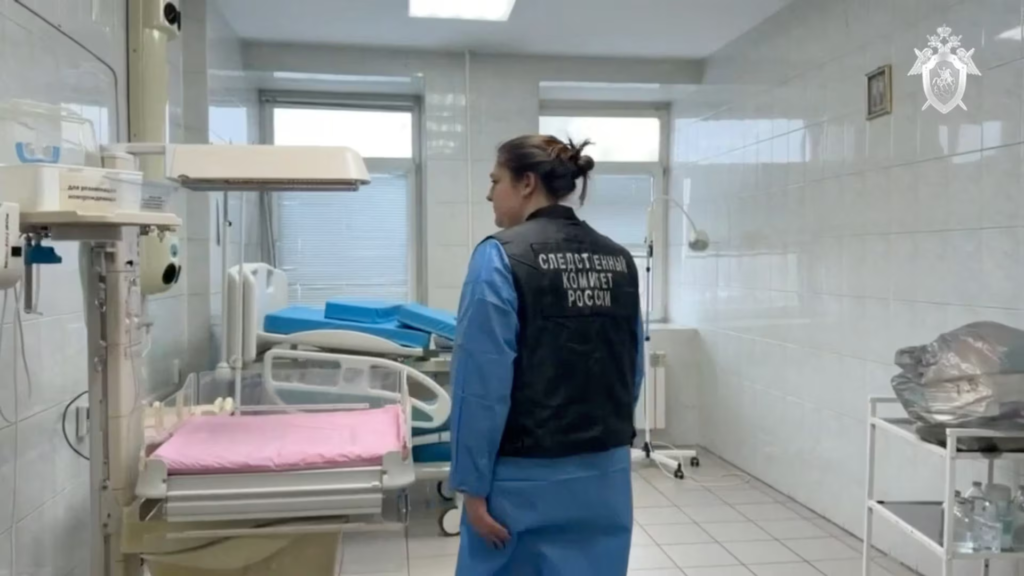
At the regional level, the governor of the Kuzbass region, which includes Novokuznetsk, announced that he had ordered inspections of all maternity and pre-natal hospitals in the area. The move appears aimed at reassuring the public and preventing similar incidents elsewhere, while also signalling that regional authorities are taking the matter seriously. The region’s health ministry confirmed that Novokuznetsk’s other maternity hospital remains open and continues to provide care.
Public reaction has been marked by anger, grief, and confusion. Images of people gathering outside the hospital after news of the arrests emerged have circulated widely, symbolising a loss of trust in local medical institutions. For many Russians, the case has become emblematic of fears about the quality and safety of healthcare, particularly for vulnerable patients such as newborns.
As the investigation proceeds, legal experts note that proving criminal negligence in medical cases can be complex. Prosecutors will need to demonstrate a direct causal link between the actions or inaction of the accused officials and the deaths of the infants. Defence lawyers are likely to argue that the babies’ severe medical conditions, including prematurity and infection, were decisive factors beyond the control of individual doctors. The outcome of the case could set an important precedent for how medical accountability is handled in Russia.
Beyond the courtroom, the deaths at Novokuznetsk Maternity Hospital have already had a significant impact on public discourse. They have intensified calls for greater transparency, better funding, and stronger oversight within the healthcare system. Whether the tragedy leads to meaningful reform remains uncertain, but it has undeniably forced a national reckoning with the realities faced by hospitals and patients alike.