
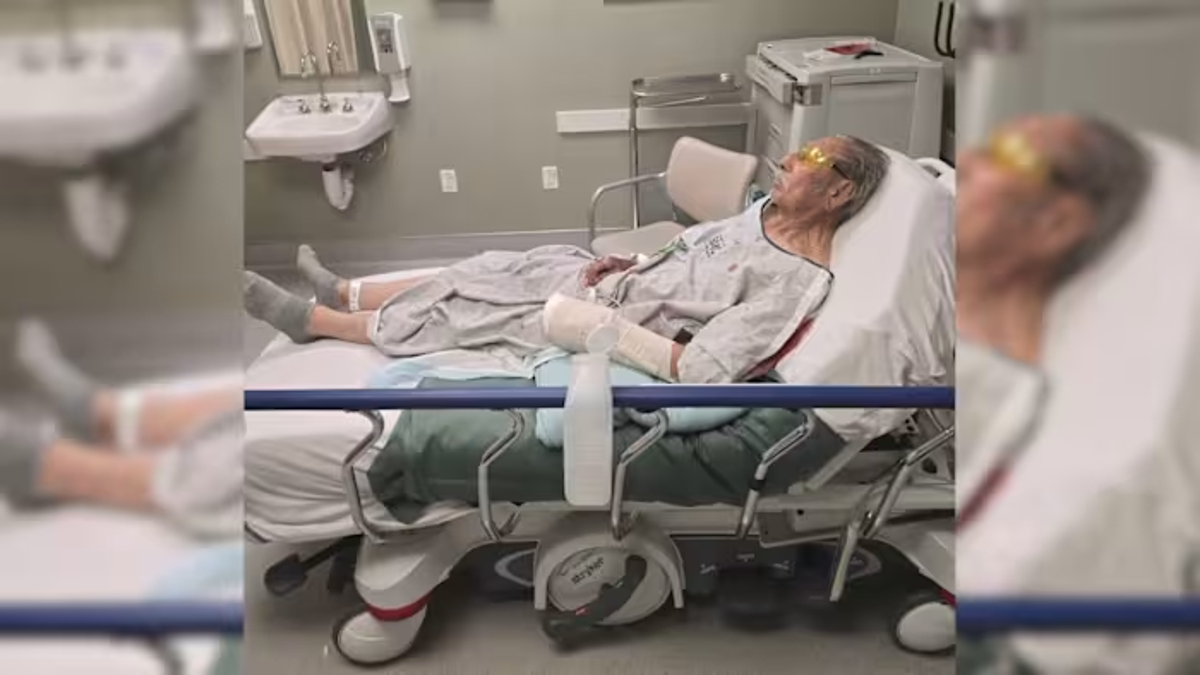
A quiet afternoon in a residential neighborhood turned into a traumatic and life-altering incident for a 92-year-old man who was simply tending to his chickens in his own backyard. Trinidad De Leon, described by his family as independent and active despite his age, is now recovering in a hospital after a violent encounter with a stray dog left him with severe injuries, including the amputation of one of his fingers. The attack has not only shaken his family but has also reignited long-standing concerns among residents about the growing presence of stray dogs in the area and the risks they pose to public safety.
The incident unfolded when De Leon attempted to protect his chickens from a stray dog that had entered his property. What began as a defensive act quickly escalated into a brutal attack, highlighting how vulnerable even familiar environments can become when stray animals are involved. For the family, the aftermath has been both physically and emotionally overwhelming, while for neighbors, the attack serves as a stark warning about a problem they say has been ignored for too long.
A Routine Day Turns Violent
According to family members, the situation began when a stray dog wandered into Trinidad De Leon’s backyard, apparently attracted to the chickens he was raising. In many rural and semi-urban communities, it is not uncommon for stray animals to enter private properties, often in search of food. However, what makes this case particularly alarming is how quickly the situation escalated into a life-threatening encounter.
De Leon reportedly tried to scare the dog away, a natural reaction for someone attempting to protect their animals and property. Instead of retreating, the dog became aggressive and charged at him. The attack was sudden and intense, leaving the elderly man with little ability to defend himself. Family members later described how the dog bit his hand first before attacking other parts of his body, including his shoulder and back.
The severity of the injuries became evident when De Leon’s daughter returned home from a doctor’s appointment with her mother and noticed blood inside the house. The scene indicated that despite his injuries, De Leon had managed to make his way indoors, possibly in an attempt to escape the dog or seek help. This detail underscores both the intensity of the attack and the resilience of the victim, who, even at 92, fought to get to safety.
Read : ‘Gathering of Kyles’ Fails to Set Guinness World Record in Texas
Relatives described the injuries as deeply traumatic, noting that the wounds were severe enough to expose tendons. Medical professionals later confirmed the extent of the damage, which included not only deep lacerations but also bone fragments and debris embedded in the wounds. These complications ultimately led doctors to recommend the amputation of one of his fingers, a decision that the family said was necessary given the circumstances.
Medical Emergency and Difficult Decisions
Once De Leon was transported to the hospital, medical teams worked quickly to assess and treat his injuries. Dog bites, particularly from stray animals, can be especially dangerous due to the high risk of infection, tissue damage, and complications from bacteria introduced during the attack. In elderly patients, these risks are even more pronounced due to slower healing and increased vulnerability.
Read : Dog Dies at Happy Tails Grooming Salon While Trying to Escape Crate With Leash On
Doctors determined that the damage to one of De Leon’s fingers was too extensive to repair. The presence of bone fragments, torn tissue, and contamination made it unlikely that the finger could heal properly or regain function. In such cases, amputation is often considered the safest option to prevent further complications, including severe infections that could spread and become life-threatening.
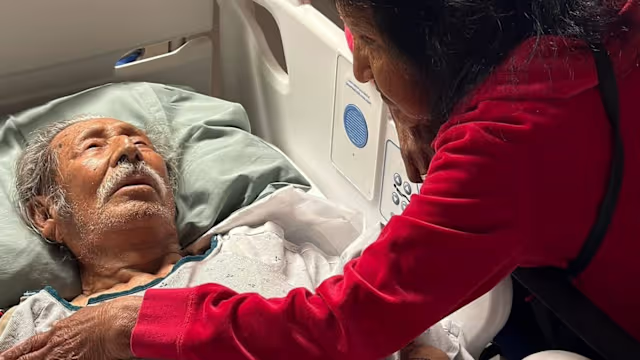
Family members described the emotional weight of making that decision. While the recommendation came from medical professionals, agreeing to amputate a part of a loved one’s body is never easy. However, they expressed confidence that it was the right choice, given the severity of the injuries and the potential risks of attempting to save the damaged finger.
In addition to the amputation, De Leon required stitches for multiple lacerations on his back and other areas of his body. Fortunately, some of these wounds were described as clean and are expected to heal without the need for further surgical intervention. His recovery will likely involve careful monitoring for infection, pain management, and rehabilitation to adapt to the loss of his finger.
Despite the seriousness of the injuries, there is cautious optimism about his recovery. His family has remained by his side, providing support and ensuring that he receives the care he needs. For them, the focus now is not only on physical healing but also on helping him regain a sense of safety and normalcy after such a traumatic event.
Community Concerns Over Stray Dog Problem
While the attack on De Leon is deeply personal for his family, it has also brought broader community concerns into sharp focus. Residents in the area say that stray dogs have been a persistent and worsening issue, with some reporting seeing large groups roaming the streets regularly. According to one neighbor, it is not unusual to count around 10 or more stray dogs in the area on any given morning.
Read : Colleen Rae Talley Accused of Killing Her Dog by Suffocating It with Trash Bag
The presence of so many stray animals raises serious safety concerns, particularly in neighborhoods with children and public spaces like parks. The attack occurred near a popular playground, which has intensified fears among parents and residents. The idea that a violent dog attack could happen so close to where children play has left many feeling uneasy and demanding action.
Neighbors have also expressed frustration with what they perceive as a slow or inadequate response from local animal control services. Several residents claim that calls to report stray dogs often go unanswered or are not addressed promptly. This delay can allow potentially dangerous situations to persist, increasing the risk of further incidents.
The dog involved in the attack was eventually captured and placed under quarantine, as is standard procedure in such cases. This step is important for monitoring the animal for signs of disease, including rabies, and for determining the next course of action. However, for many residents, capturing one dog does not solve the larger issue of a growing stray population.
Community members are now calling for more proactive measures, including increased patrols, faster response times, and long-term strategies to manage and reduce the number of stray dogs. These could include spay and neuter programs, better enforcement of pet ownership laws, and public awareness campaigns about responsible animal care. The incident has also sparked conversations about how communities can better protect vulnerable residents, particularly the elderly.
For someone like De Leon, who was simply going about his daily routine, the attack serves as a reminder that even familiar environments can become dangerous when underlying issues are not addressed. As De Leon continues his recovery, his story stands as both a personal tragedy and a public warning. It highlights the urgent need for coordinated efforts between residents, local authorities, and animal control services to ensure that neighborhoods remain safe for everyone.