
A fatal confrontation between neighbors in Hillsborough County has led to multiple felony charges after a man shot and killed a pit bull that had attacked and ultimately caused the death of his own dog. Authorities say the incident unfolded over two days and escalated from a violent animal attack into a criminal case involving firearms, trespassing, and animal cruelty. The case has drawn attention not only because of the tragic loss of two dogs but also because of the legal boundaries surrounding retaliation, firearm use on residential property, and the responsibilities of pet owners and neighbors in the aftermath of an animal attack.
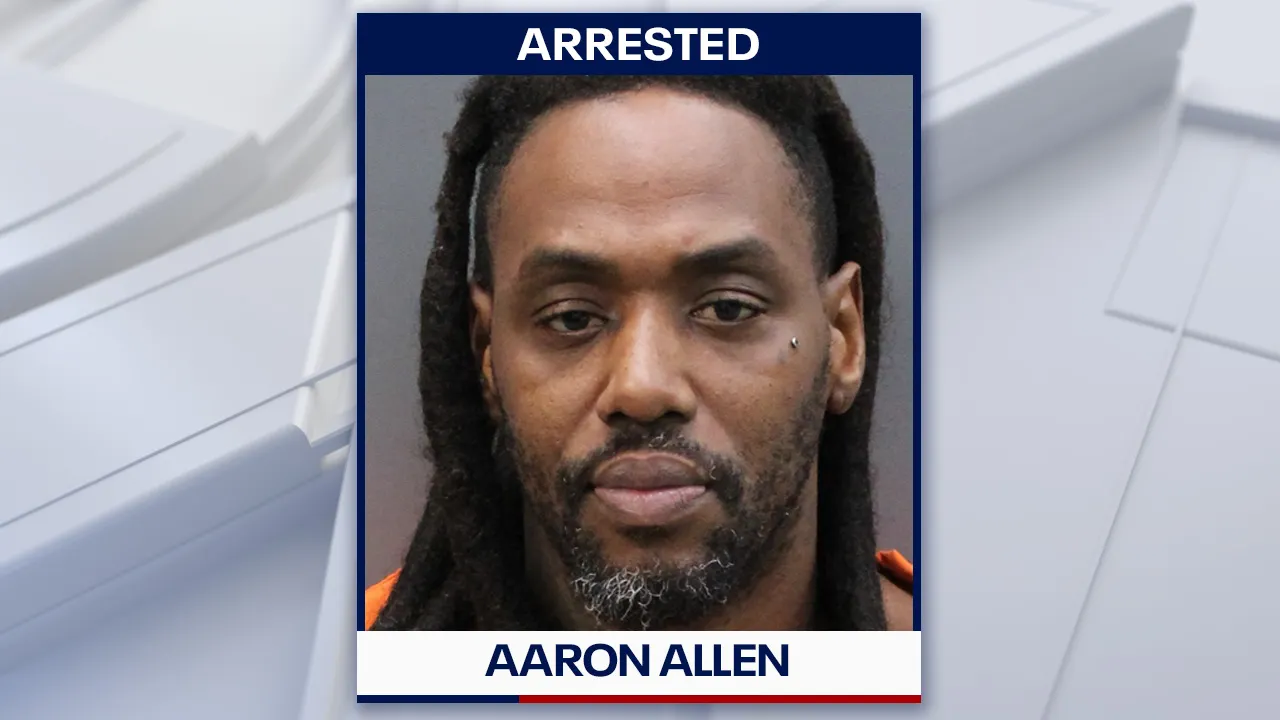
According to the Hillsborough County Sheriff’s Office, 41-year-old Aaron DePaul Allen was arrested on January 7 following the shooting death of his neighbor’s dog, a 4-year-old pit bull mix named Rebel. Investigators say Allen acted the morning after his own dog, Tyson, a 16-year-old Pomeranian-poodle mix, died from injuries sustained in an attack by Rebel. Although the neighbor had already taken steps to address the incident by apologizing and arranging for Rebel to be euthanized, deputies allege that Allen chose to take matters into his own hands, leading to a series of criminal charges and a high bond amount.
The affidavit and subsequent statements from law enforcement outline a sequence of events that authorities say crossed legal and ethical lines, even in the context of grief and anger over the loss of a longtime pet. The sheriff’s office emphasized that while the original dog attack was tragic, the response the following day constituted criminal behavior under Florida law.
The Initial Dog Attack and Death of Tyson
The events began shortly before 5:30 p.m. on January 6, when Aaron DePaul Allen’s dog, Tyson, was attacked by his neighbor’s pit bull mix, Rebel. According to the arrest affidavit, the attack occurred in the neighborhood, though specific details about how the dogs came into contact have not been publicly disclosed. What is clear from the affidavit is that the injuries inflicted on Tyson were severe enough to require immediate emergency care.
After the attack, Allen’s neighbor took Tyson to an emergency veterinary hospital. Allen later met her at the facility, where she reportedly expressed remorse for what had happened. The affidavit states that the neighbor apologized to Allen and informed him that she had already made an appointment to have Rebel euthanized. This step, according to investigators, was intended to address the seriousness of the attack and prevent any future harm.
Despite emergency treatment, Tyson did not survive. The 16-year-old dog died as a result of the injuries sustained in the attack. For Allen, the loss represented not only the death of a pet but the end of a long companionship. Court records and statements included in the affidavit suggest that Allen was deeply affected by Tyson’s death, which may have influenced his actions the following day.
Read : Venezuela: Home to the World’s Highest Waterfall
Animal attacks involving dogs, particularly when one animal is killed, often lead to emotionally charged situations between neighbors. In many jurisdictions, including Florida, such cases can involve civil liability, quarantine requirements, or euthanasia orders issued by animal control authorities. In this instance, however, the neighbor’s decision to arrange for Rebel’s euthanasia appeared to be a voluntary step rather than the result of a formal legal order at that stage.
The Shooting and Law Enforcement Response
According to deputies, the situation escalated dramatically the next morning. On January 7, Allen allegedly armed himself with a Springfield 9mm pistol and went onto his neighbor’s property. The affidavit states that Rebel was inside the neighbor’s home, standing on a couch behind a bedroom window, when Allen fired a single round. The bullet struck the dog in the chest.
Investigators say Allen then returned to his own home and informed his mother of what he had done. He reportedly told her to contact law enforcement. Deputies later responded to the scene and began their investigation, which included interviews, examination of the property, and collection of evidence related to the firearm discharge.
Rebel was transported to a veterinarian after being shot. Due to the severity of her injuries, the dog was euthanized. While the neighbor had already scheduled euthanasia prior to the shooting, authorities emphasized that the manner in which Rebel died and the circumstances surrounding the shooting were central to the criminal charges.
The sheriff’s office stated that Allen did not have permission to enter his neighbor’s property and that firing a weapon in a residential area posed a serious risk to public safety. The affidavit notes that the shot was fired into a building, as the dog was behind a window at the time. This detail contributed to several of the charges Allen now faces.
Law enforcement officials also stressed that there was no immediate threat at the time of the shooting. Rebel was inside a home and not actively attacking anyone when the shot was fired. Deputies characterized the act as a deliberate use of deadly force against an animal in a situation where legal alternatives existed, such as allowing animal control or veterinary authorities to carry out the planned euthanasia.
Charges, Legal Implications, and Official Reaction
Allen was arrested on January 7 and charged with aggravated cruelty to animals with a weapon, armed trespassing, discharge of a firearm on residential property, and shooting into a building. Jail records show that he was being held at the Falkenburg Road Jail on a bond set at $163,000. Each of the charges carries significant potential penalties under Florida law, particularly those involving firearms and aggravated animal cruelty.
Aggravated cruelty to animals with a weapon is a serious felony charge that reflects the use of a firearm in causing an animal’s death. Armed trespassing alleges that Allen entered his neighbor’s property while carrying a firearm without authorization. The firearm-related charges underscore the risks associated with discharging a weapon in a residential setting, where stray bullets can endanger occupants of nearby homes.

Sheriff Chad Chronister addressed the case in a news release, condemning the shooting and emphasizing the rule of law. He stated that acts of violence against animals are unacceptable and that individuals do not have the right to take enforcement or punishment into their own hands. Chronister added that those responsible for such actions would be held fully accountable.
The case highlights the legal distinction between emotional justification and lawful behavior. While many people sympathize with the grief of losing a pet to a violent attack, the sheriff’s office made clear that personal loss does not grant authority to commit acts that violate criminal statutes. Authorities pointed out that the neighbor had already taken steps consistent with addressing the danger posed by Rebel, including arranging for euthanasia.
From a broader perspective, the incident raises questions about how communities handle dangerous dog incidents and the aftermath of animal attacks. Florida law provides mechanisms for addressing aggressive animals, including investigations by animal control, potential designation of a dog as dangerous, and court-ordered restrictions or euthanasia. The sheriff’s office indicated that these processes exist precisely to prevent situations from escalating into acts of personal retaliation.
As the case proceeds through the court system, Allen will have the opportunity to respond to the charges and present his defense. Prosecutors, meanwhile, are expected to focus on the sequence of events, the lack of immediate threat at the time of the shooting, and the decision to use a firearm on residential property. The outcome may hinge on how a judge or jury interprets intent, reasonableness, and adherence to the law in the context of an emotionally charged situation.
The deaths of both Tyson and Rebel have left two households dealing with loss, while the criminal case adds a legal dimension that will likely extend well beyond the initial incident. For residents of Hillsborough County, the case serves as a stark reminder that even in moments of anger or grief, actions taken outside the law can carry severe and lasting consequences.
**mitolyn**
Mitolyn is a carefully developed, plant-based formula created to help support metabolic efficiency and encourage healthy, lasting weight management.